By role
By property type
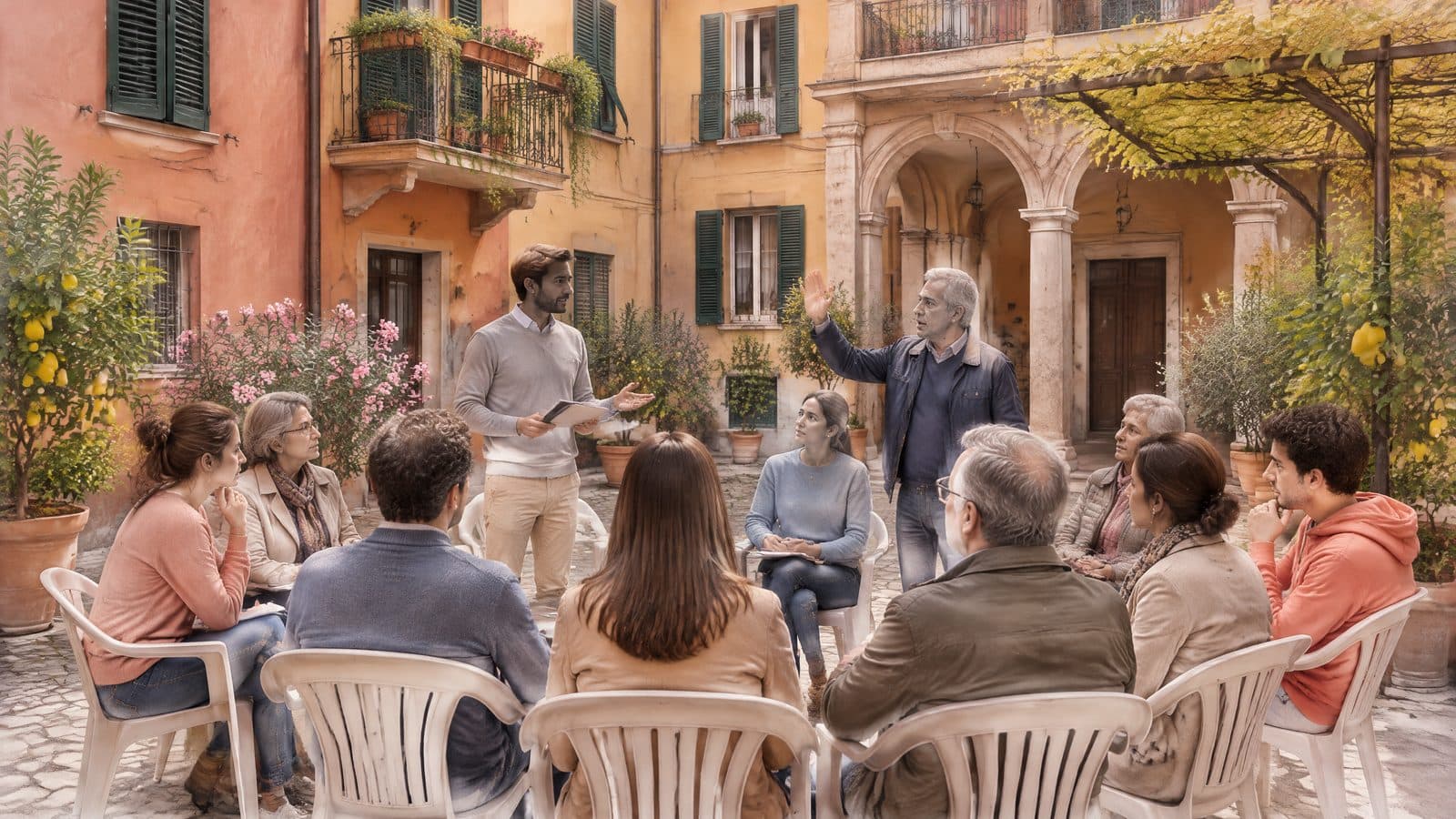
Ordinary or extraordinary condominium assembly in Italy: the difference is not the subject. What art. 66 and art. 1135 say, who convenes and when co-owners may.
Appointing an amministratore di condominio in Italy: the majority, the term, when a court appoints and what the appointee must communicate.
How condominium expenses are shared in Italy: the three criteria of art. 1123 c.c., the millesimi table, lifts (art. 1124) and who approves the allocation.
What an Italian condominium rendiconto contains under art. 1130-bis, and a filled example with invented figures plus a blank model, in Italian.
Bilancio and consuntivo are practice terms: the Civil Code speaks of preventivo and rendiconto. What each contains, who approves it, with a layout.
How to move registries, balances and contacts to a new condominium gestionale without stopping the studio: export, reconcile, run in parallel.
What an open API lets a studio do, what a closed system forces, and what to check in a vendor's API.
Payments, reminders, app, intercom, meters, export for the accountant, API: which integrations to ask a condominium gestionale for in 2026.
Quiet hours in an Italian condominium come from the regulation and the municipality, not the Civil Code. Who decides, by what majority, how to write them.
When the regolamento is compulsory, what it must contain, the majority that approves it, what it cannot provide and an outline to adapt.
Neighbour noise and works at home: what art. 844 and the regulation say, what to tell the administrator, and a works notice ready to fill in.
What art. 66 disp. att. allows for an assembly by videoconference, what the notice and the verbale must say, who can hold a proxy, and what an app vote does not do.
The special fund art. 1135 requires for extraordinary works, why "fondo cassa" is a practice term, and what the rendiconto must show about funds.
The ten duties of art. 1130 of the Civil Code, the duties at appointment and at exit in art. 1129, what grounds removal, and what the Code does not list.
How millesimal tables are calculated: what art. 68 fixes, a worked example with 4 units, the calculator for splitting an expense and how a table is corrected.
The five things a resident app actually has to do — notices, issues, payments, documents, polls — and what "free" means in our case.
A complete template for an Italian avviso di convocazione, the checklist of what art. 66 actually requires, and what practice adds on top.
The eight-co-owner threshold, the account held in the condominium's own name, and why the Code treats traceability as grounds for removal.
The three parts of the annual condominium accounts under art. 1130-bis, the 180 days to convene the assembly, and how much can be ready when the season starts.
The art. 1136 thresholds for first and second call, when the higher majority still applies, the timing between sittings, and a worked millesimi example.
Why phone, WhatsApp and email need to land in one queue, what a good reporting flow looks like, and what to measure to know it's working.
What to put in a sollecito so it works, and the two six-month periods in art. 1129 and art. 63 that administrators most often mix up.
Who drafts and signs an Italian verbale, the register of minutes to keep, what makes a resolution defensible, and the thirty days to challenge it.
What an Italian condominium administrator reports to the Agenzia delle Entrate by 16 March, what quadro AC is in their own tax return, and why the two are separate.
Convocazione assemblea condominiale in Italy: notice at least five days before the first call (art. 66 disp. att.). What it must contain, allowed channels.
Three real ways to run building accounts in Italy: a free desktop tool, an Excel spreadsheet, or a cloud gestionale. Where each one breaks, and what "free" actually costs in hours.
A plain look at what AI does for a condominio administrator right now: answering condòmini around the clock, opening tickets, drafting notices, and handing off to a person. And what it does not do.
Treating morosità condominio as a process instead of a chase: clear quote, reminders before the due date, an automatic sollecito sequence, visible payment status, and when to escalate.
The administrator's job as a checklist: collecting fees, closing the annual accounts, running the assembly, answering owners. Which parts a platform should take off their hands, and why one system per studio beats one tool per building.
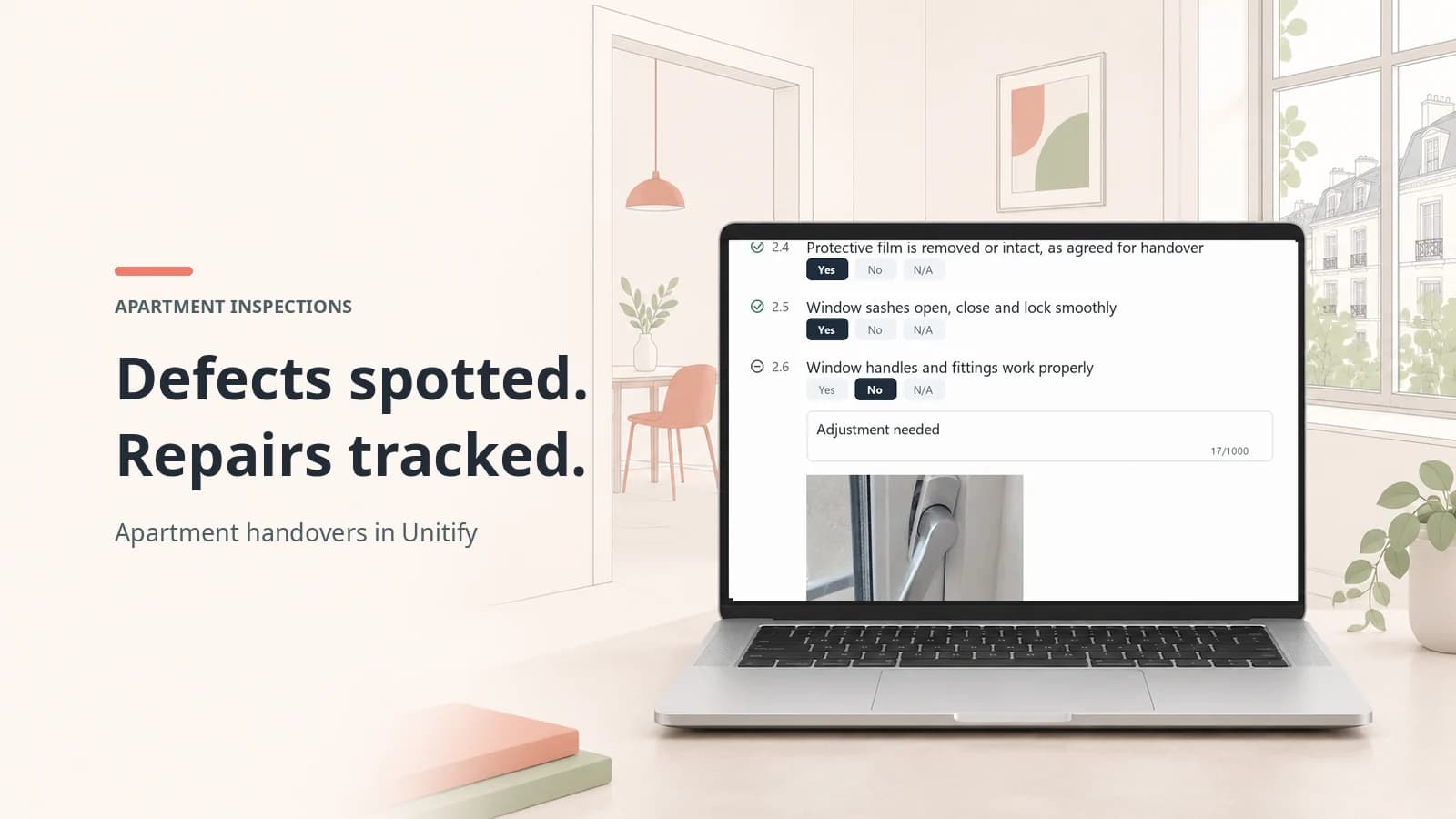
Use Unitify to record apartment inspections, track repairs and document handovers from the first check to key collection.
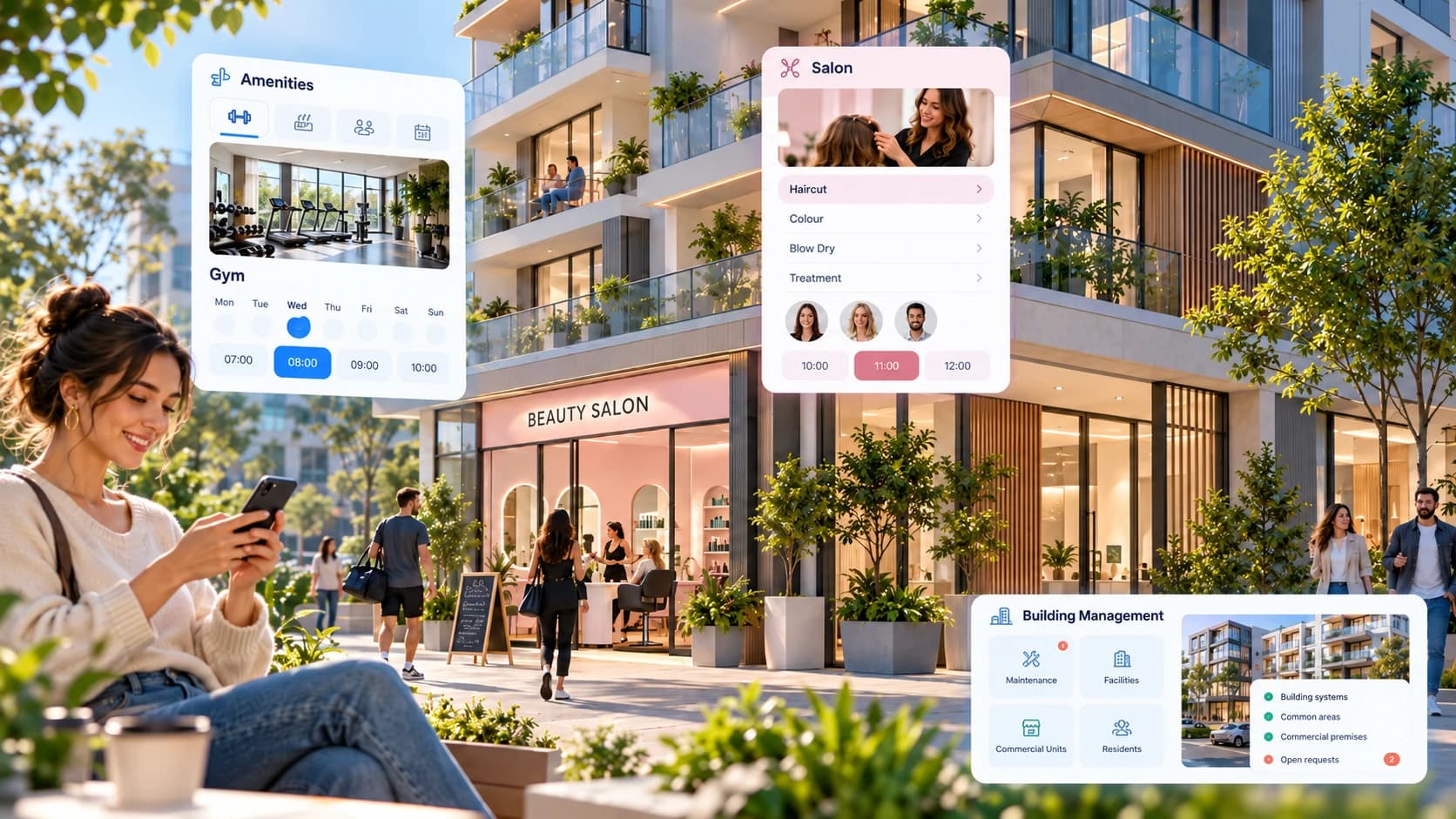
Manage mixed-use buildings and shared amenities in Unitify while independent salons, clinics and studios handle appointments and clients in Altegio.
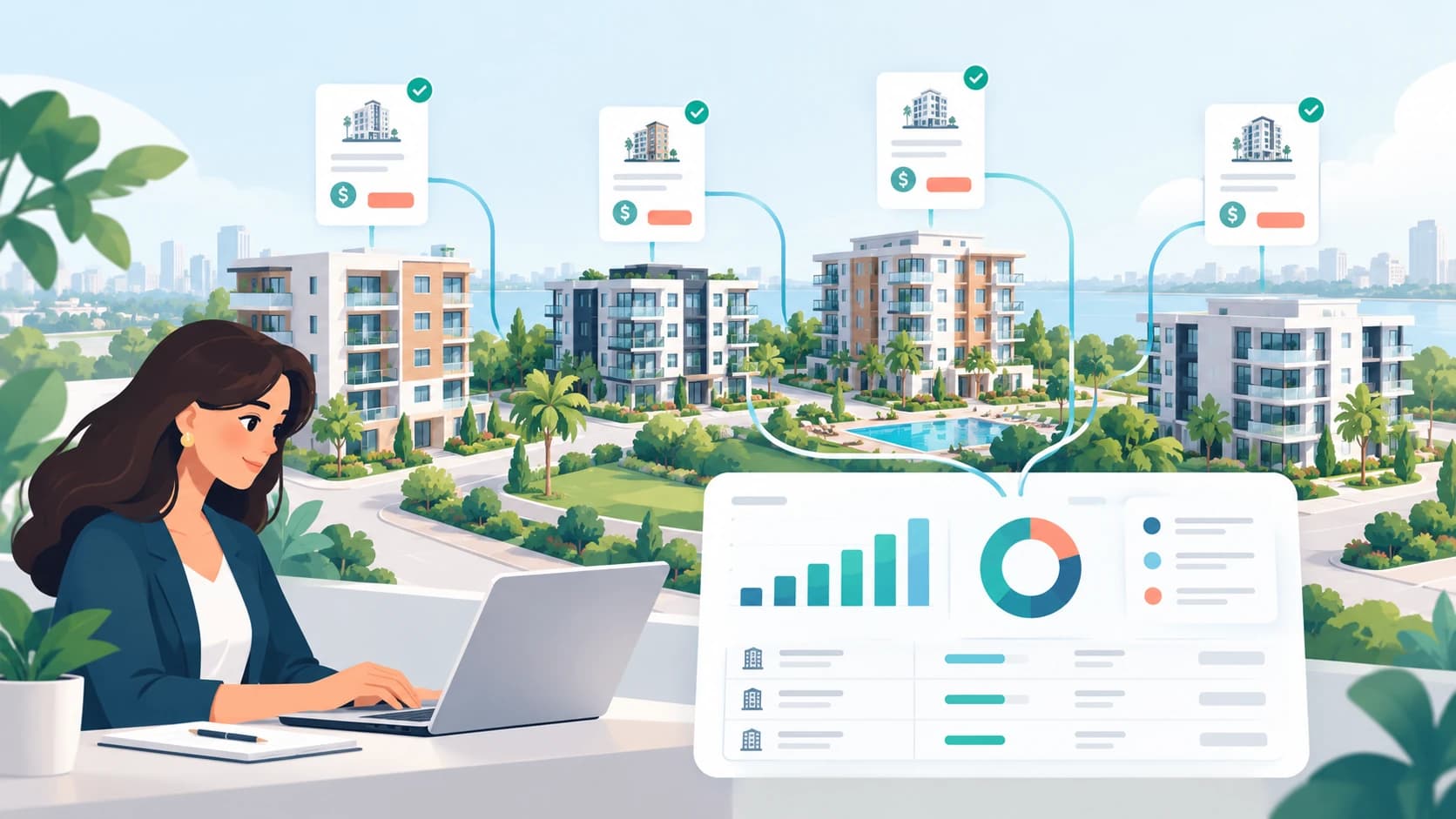
Separate resident billing, HOA accounts and group reporting with Unitify Easybilly, accounting software and Helmstead.
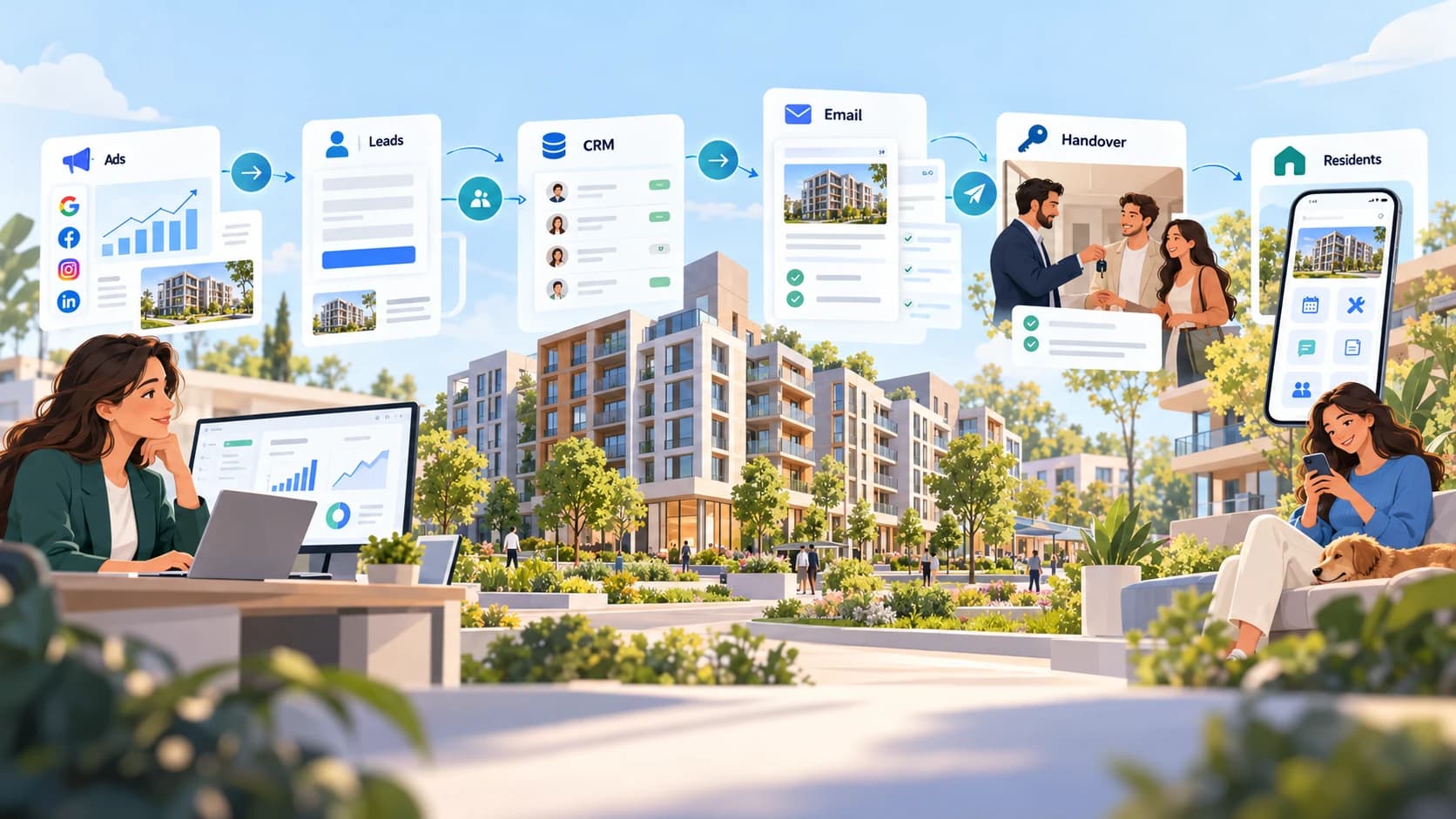
Connect ad analytics, lead capture, CRM and buyer emails with apartment handover and resident services using Albato, UniOne and Unitify.
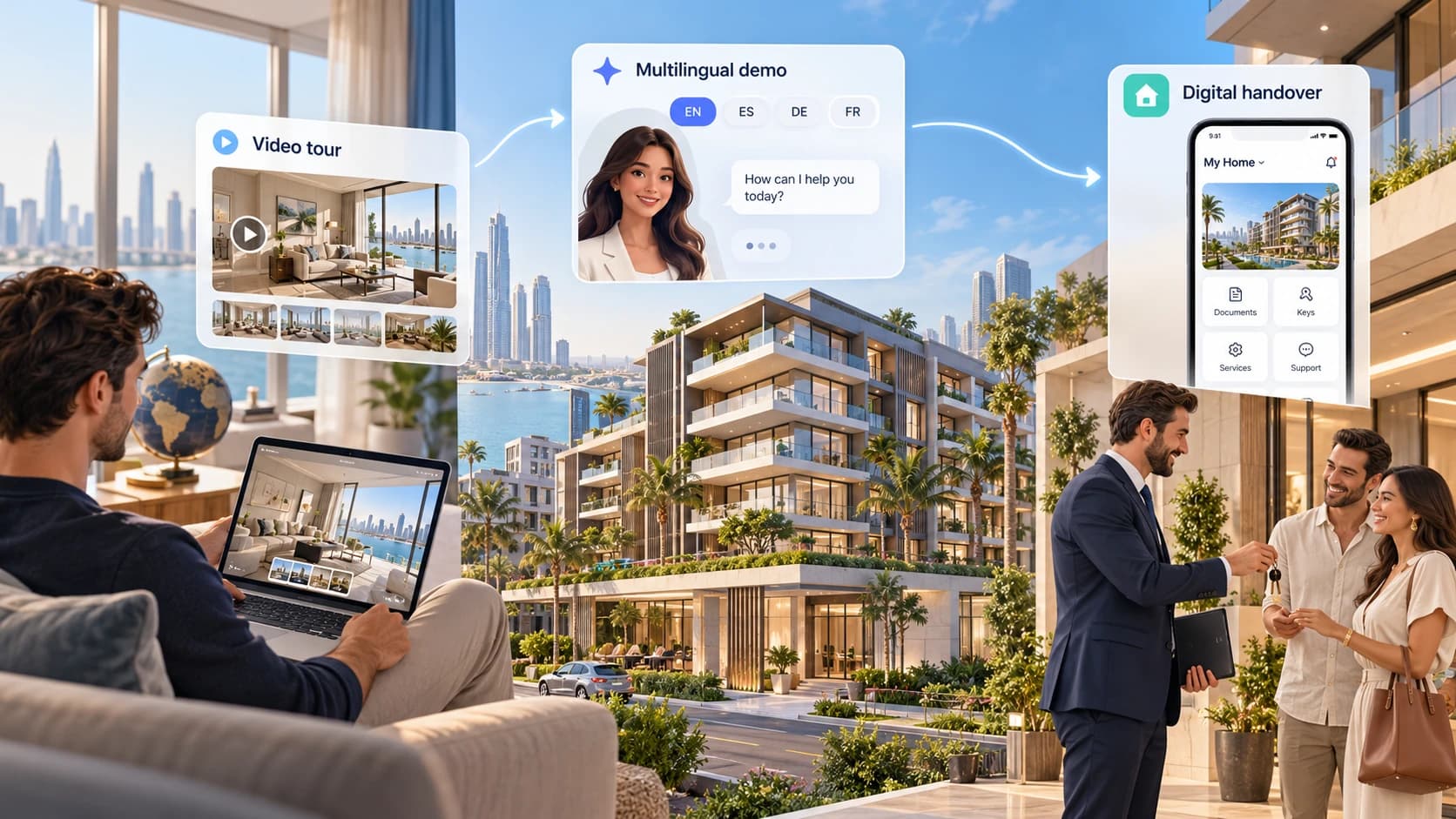
Use video tours, multilingual demos and digital handover to support international apartment buyers with Kinescope, Naoma AI and Unitify.
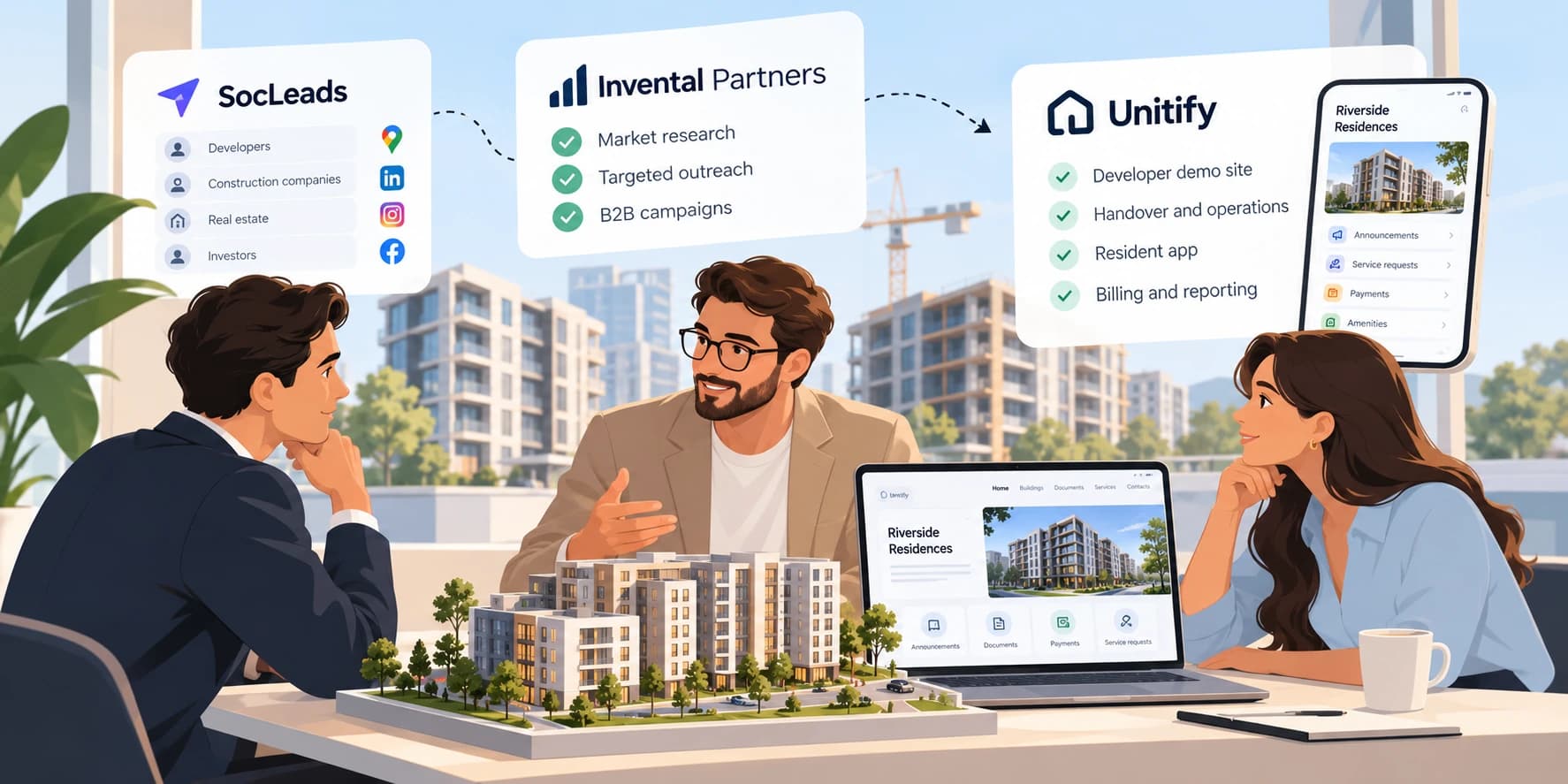
How building management companies can find developers, start relevant B2B conversations and use a Unitify demo to support a credible management proposal.
How to choose a website for your building management company or HOA: an agency, a no-code builder, a ready-made template or a built-in building website.
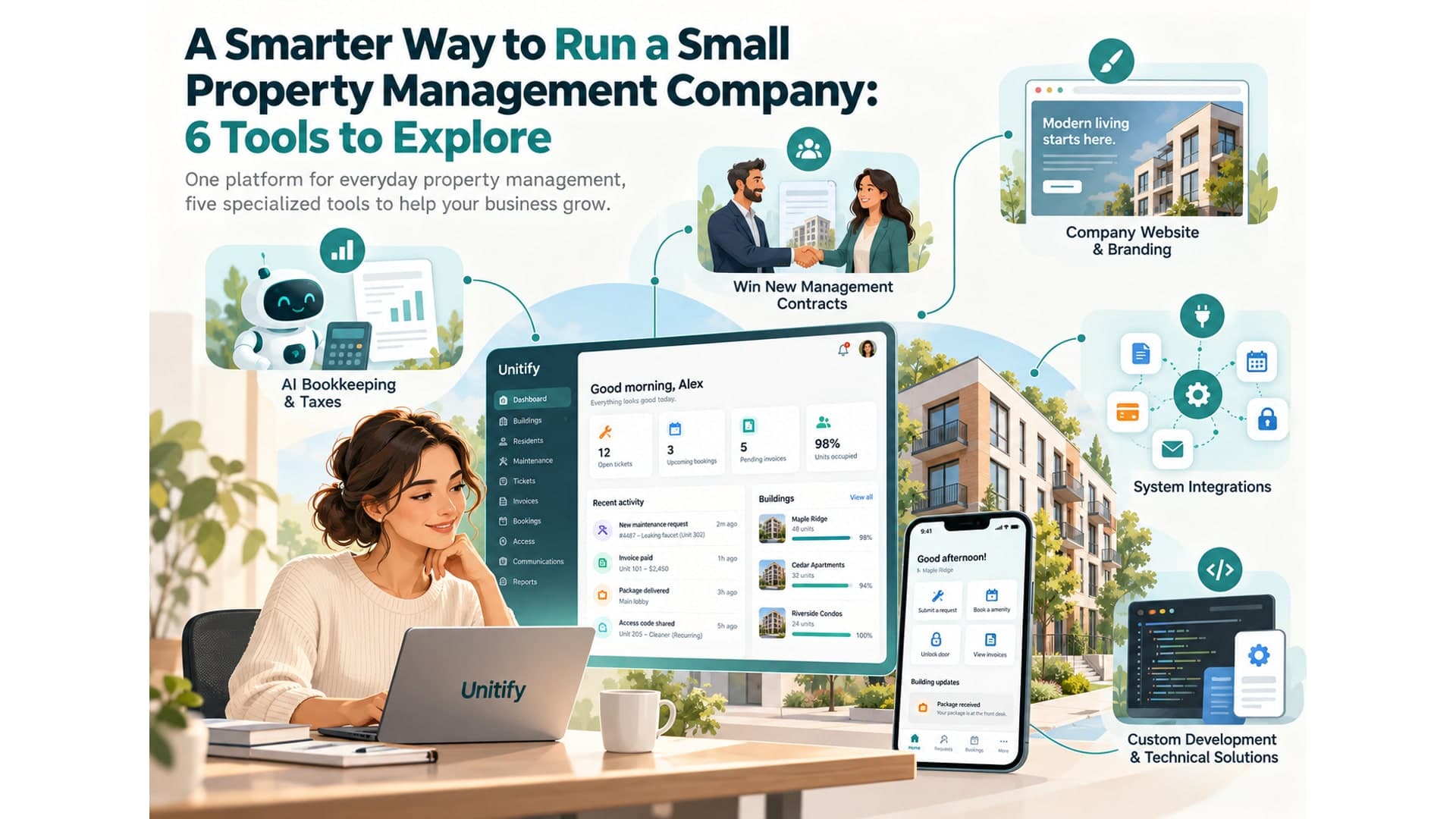
Six tools for small building management teams: Unitify for building operations, plus bookkeeping, lead generation, websites, integrations and development.
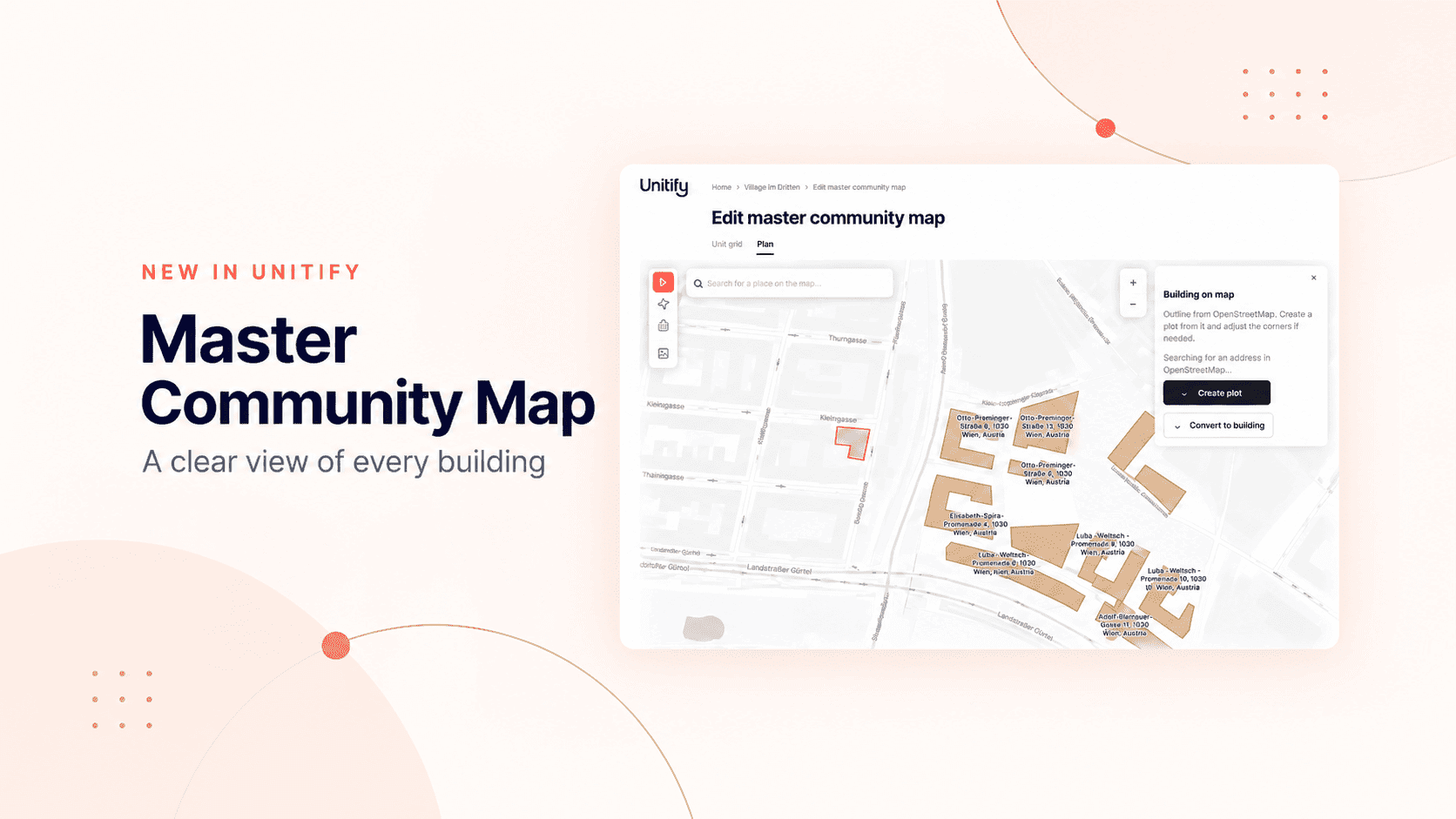
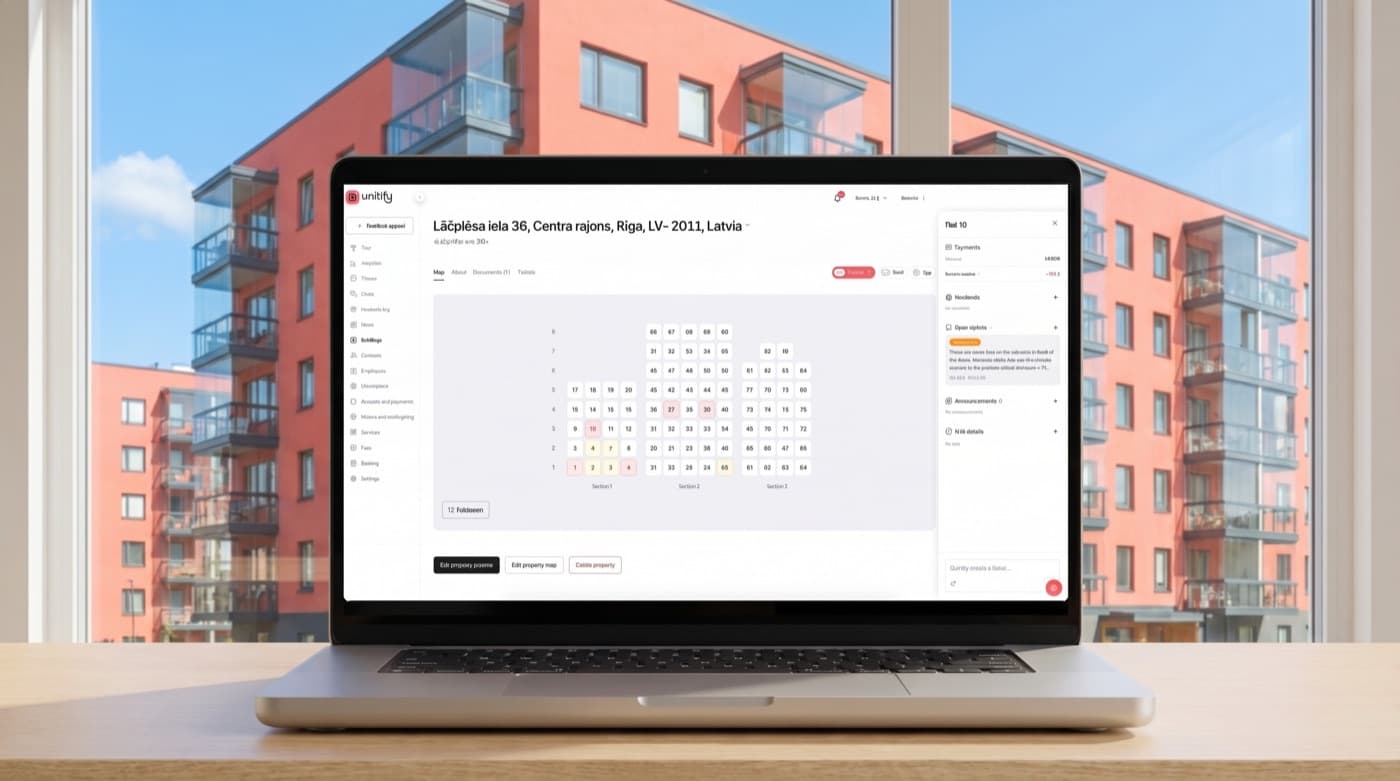
The Master Community Map shows plots and buildings of a residential complex on one plan, with the buildings and units view a click away.
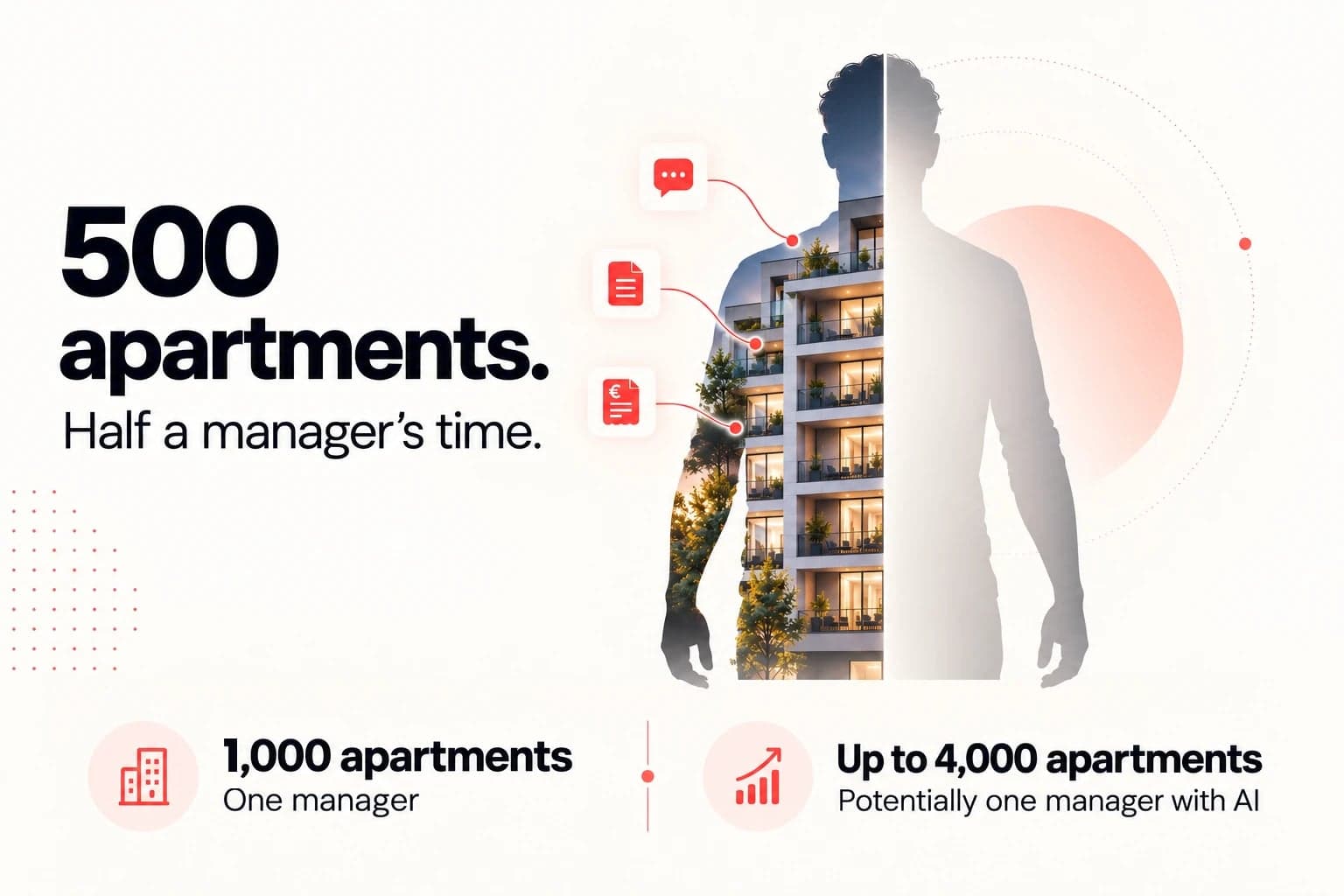
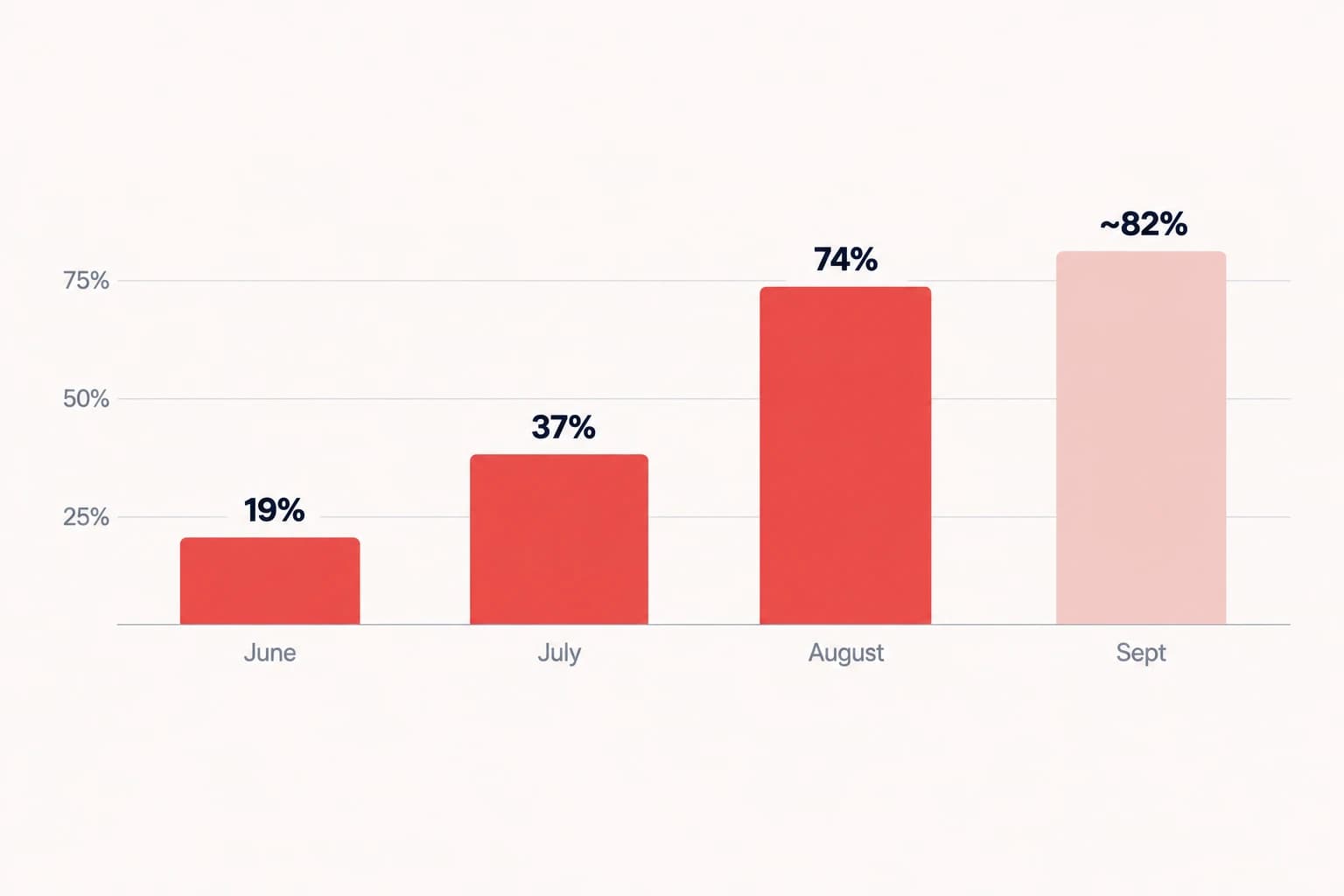
How much office staff does a 500-apartment portfolio need? About half of one manager’s time, once AI handles routine questions and billing takes minutes.
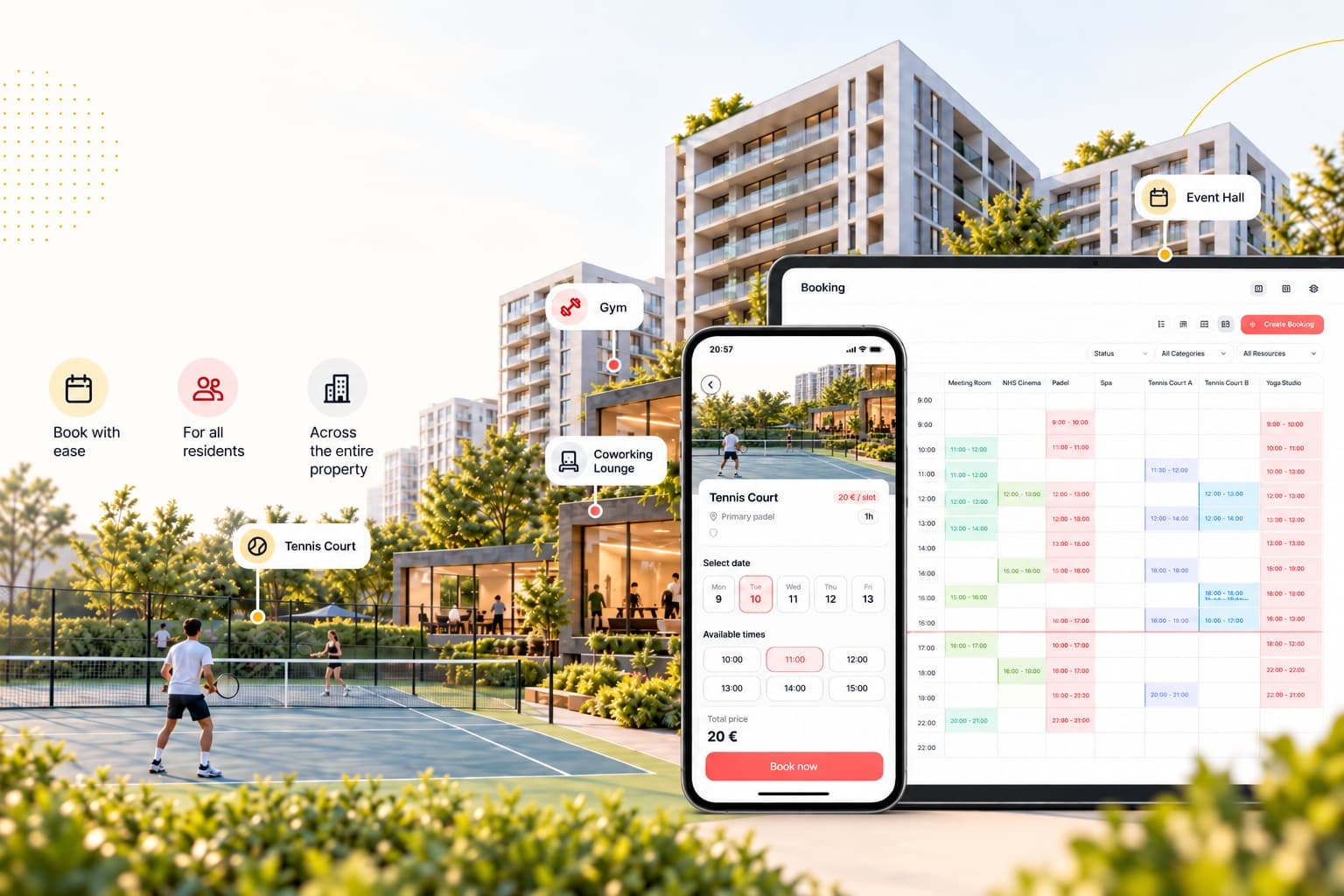
How amenity booking should work in an HOA or condo: residents reserve the gym, courts or event hall in the app, see live slots and pay where enabled.
Convenient payment alone matters. Good billing alone matters. But when billing and the payment channel are part of the same system, the whole collection process becomes much simpler — for both the resident and the property manager.
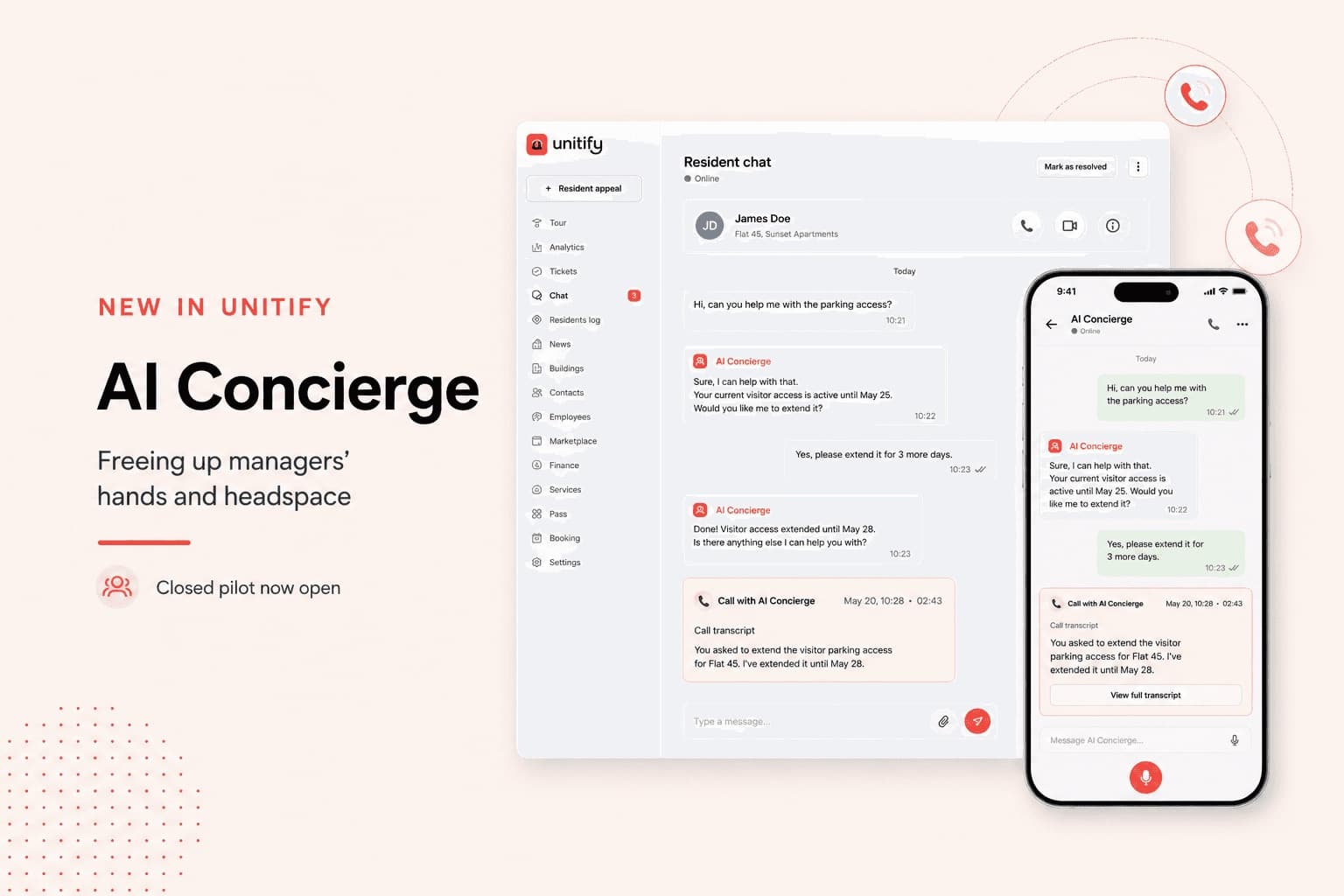
Unitify is opening a closed pilot for the AI Concierge: a resident-facing chat and voice assistant that works inside Unitify, keeps the context of a building, and turns conversations into requests.
Small property management teams have the greatest need for automation and the least time to implement it. A practical way out: automate one routine at a time instead of waiting for a quiet period.
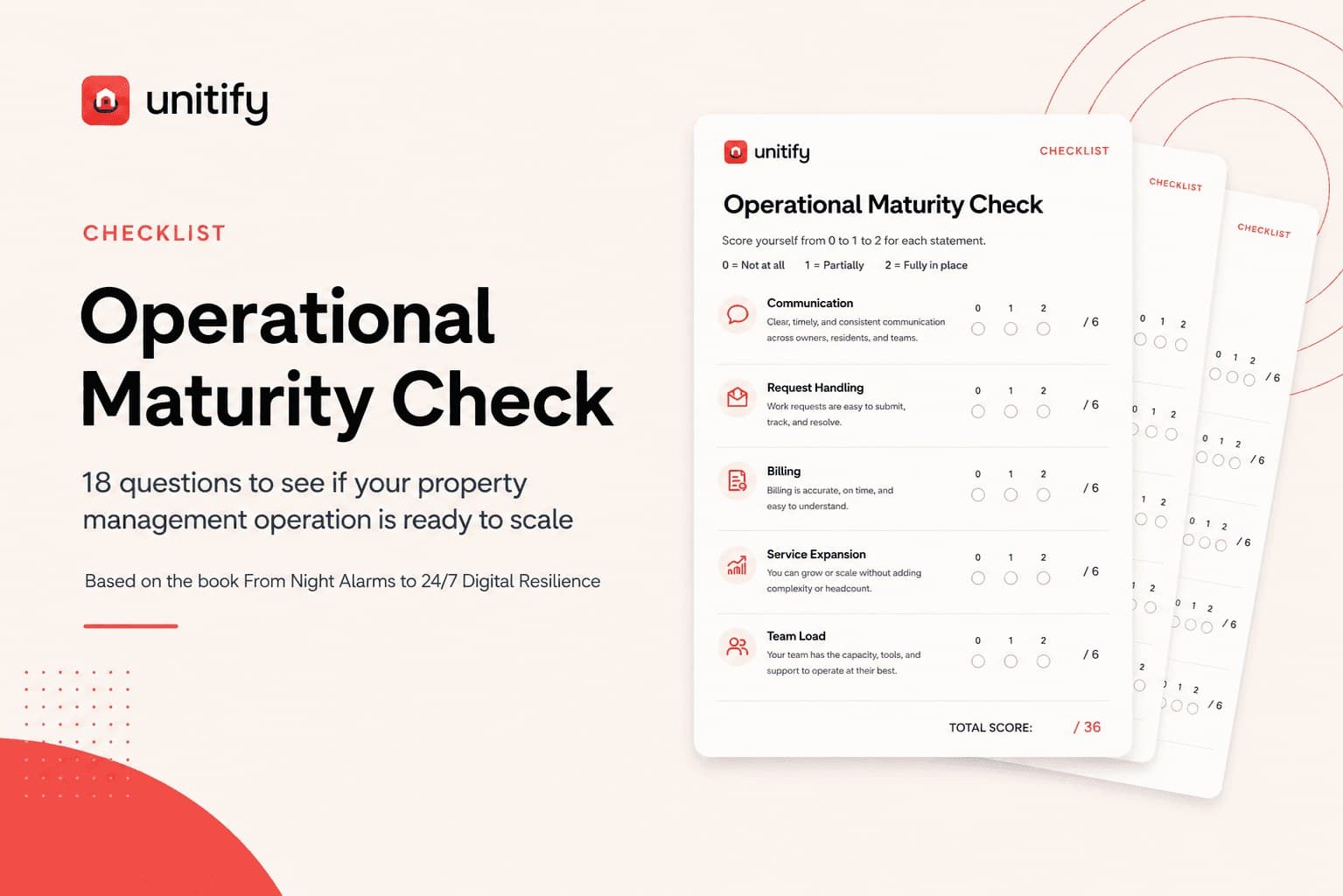
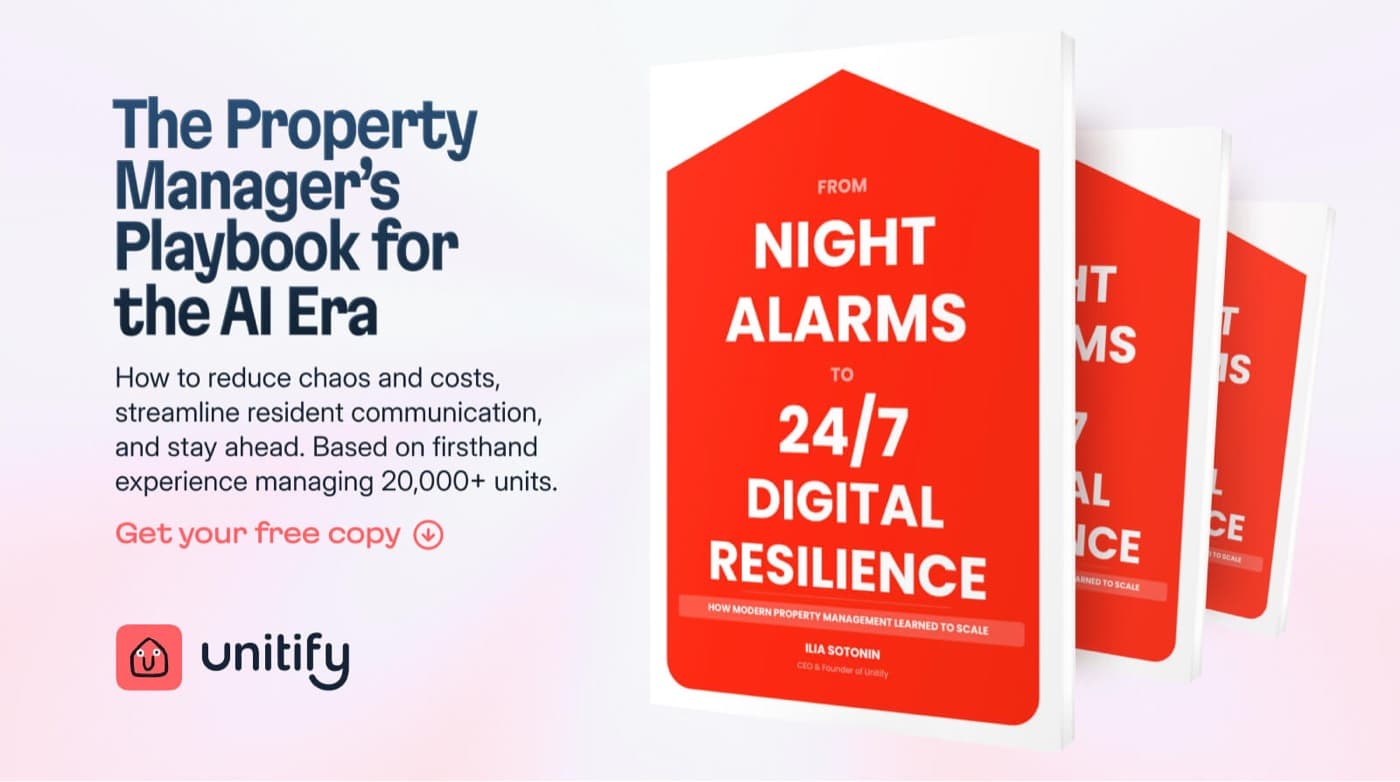
An operational-maturity framework for property management companies: 18 questions across communication, service handling, billing, service expansion, and team load, drawn from the book From Night Alarms to 24/7 Digital Resilience.
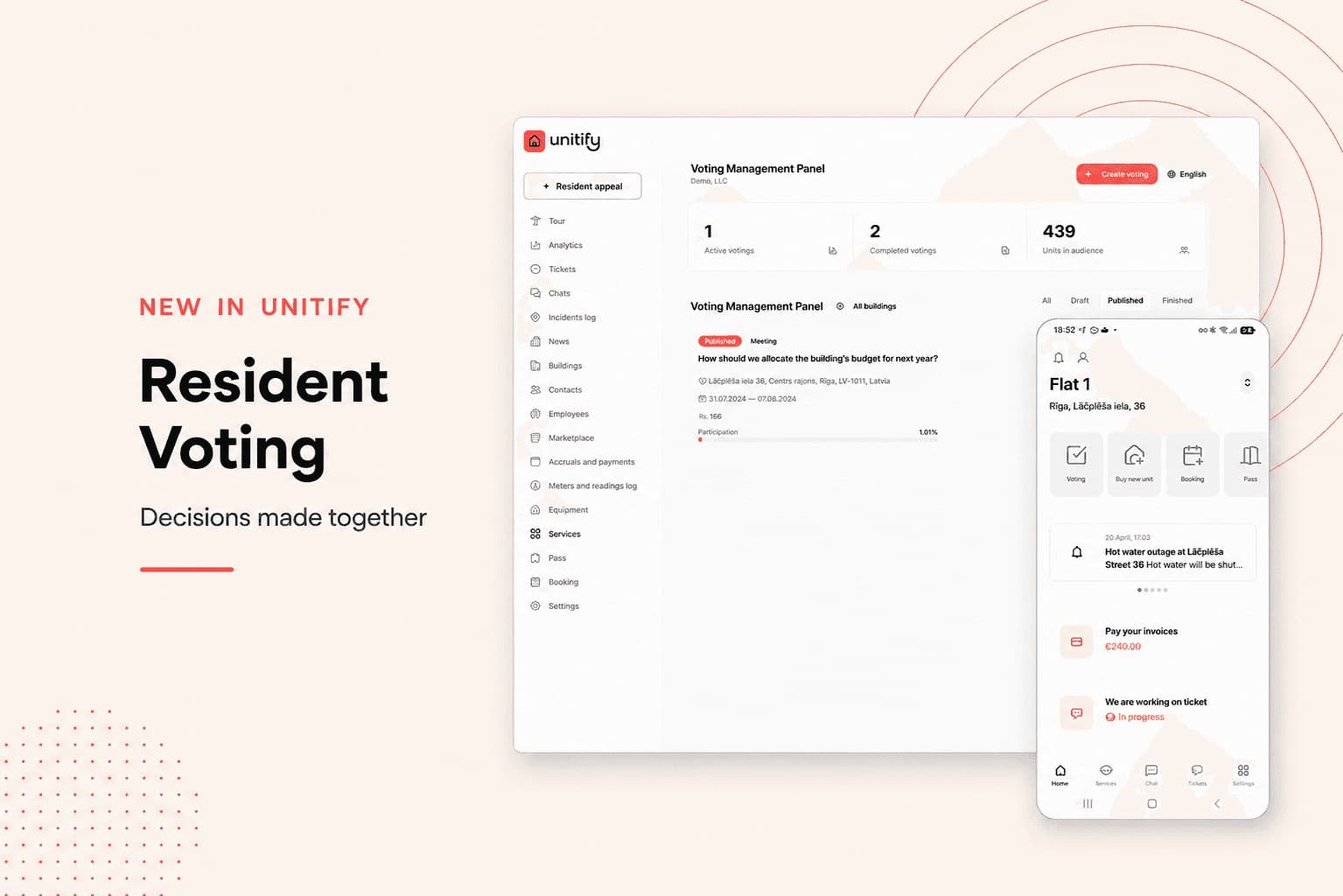
Resident Voting in Unitify: the board or management company runs owner votes and surveys online, owners answer in the resident app, results update live.
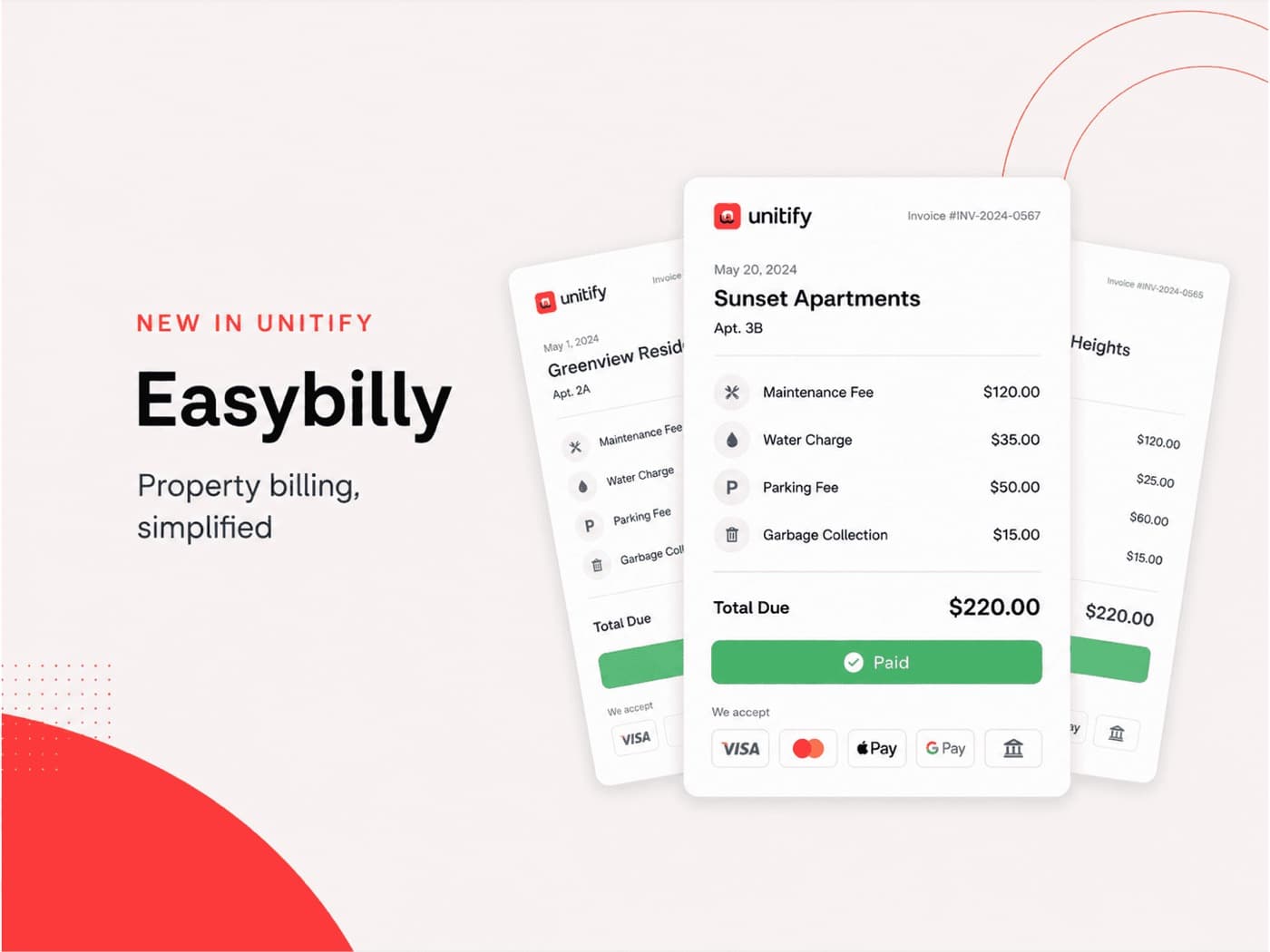
Easybilly, Unitify's billing add-on: how it replaces spreadsheet billing for property managers and HOAs. Current prices on the pricing page.
Why maintenance planning, not just technical skill, is what separates chaotic property operations from ones that scale, and how better scheduling improves outcomes.
Six months of Unitify updates: Easybilly billing, AI-assisted tickets and a technician app for HOA, condo and building management teams.
Why traditional property management breaks down for buildings full of absentee investor-owners, and the five infrastructure changes that fix it.
A practical guide to moving a residential complex’s operations into a digital management system, from back-office processes to the resident app.
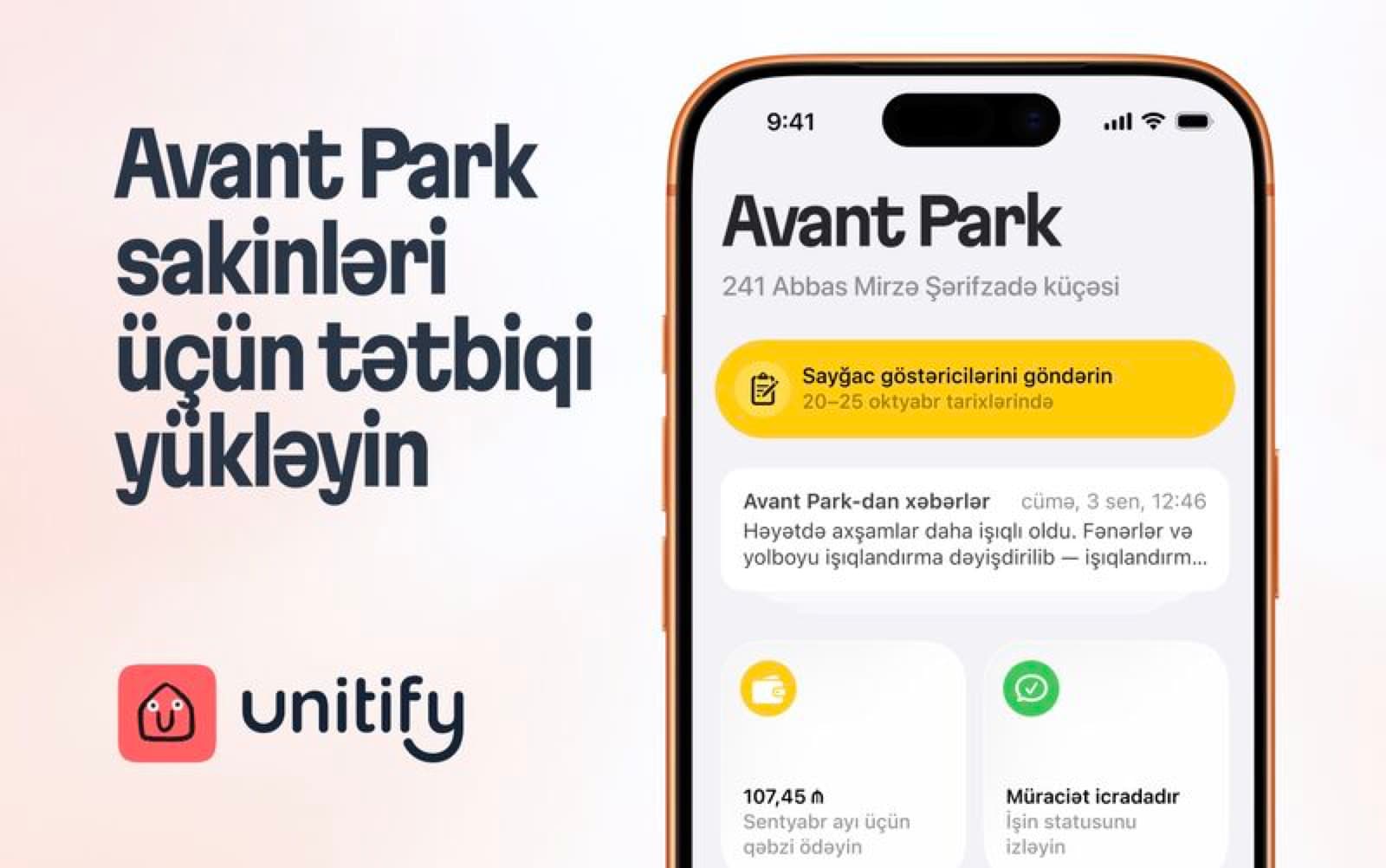
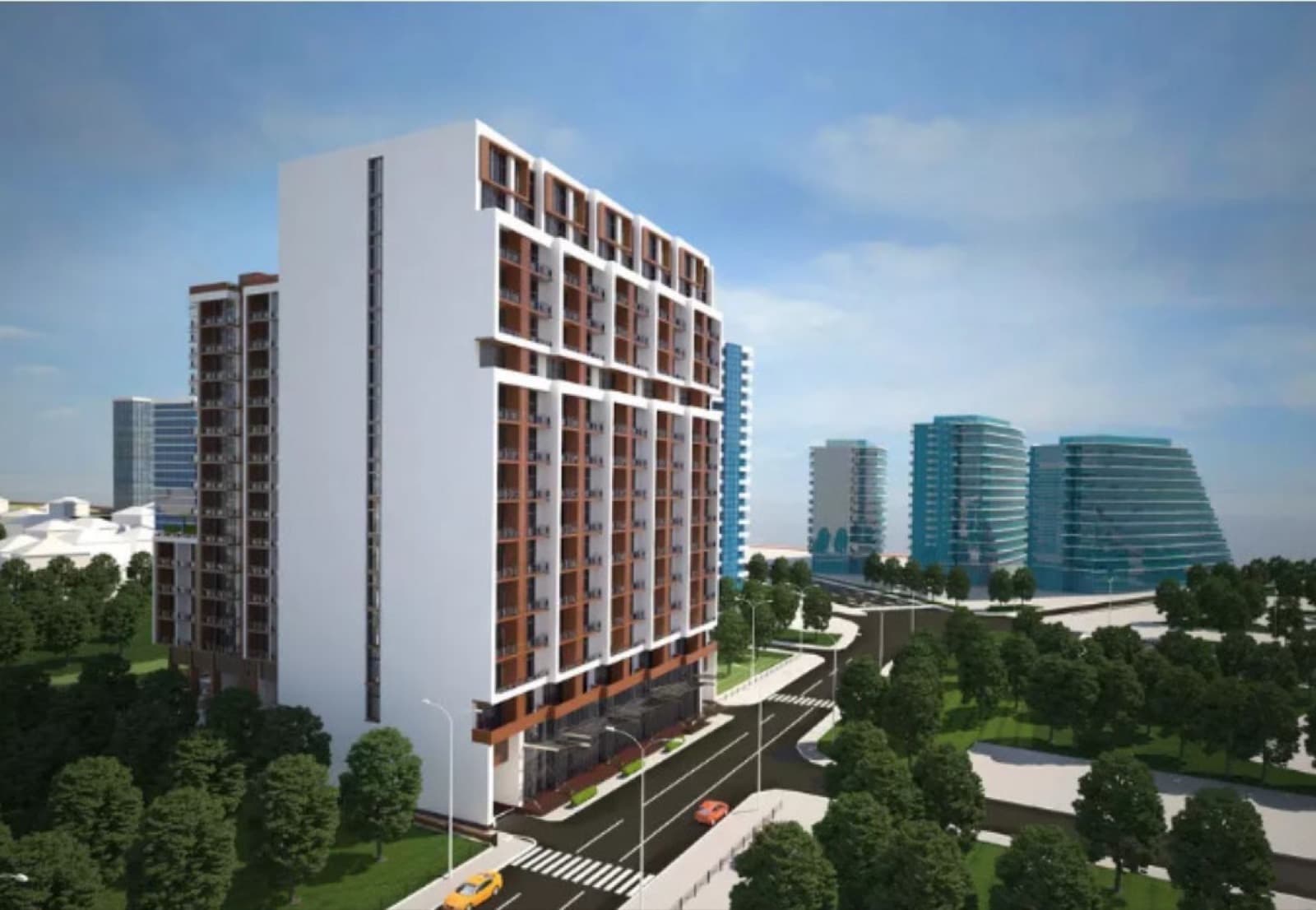
Unitify launches in Azerbaijan at Avant Park, onboarding 1,000 units and processing the first $1,000 in resident payments within 24 hours.
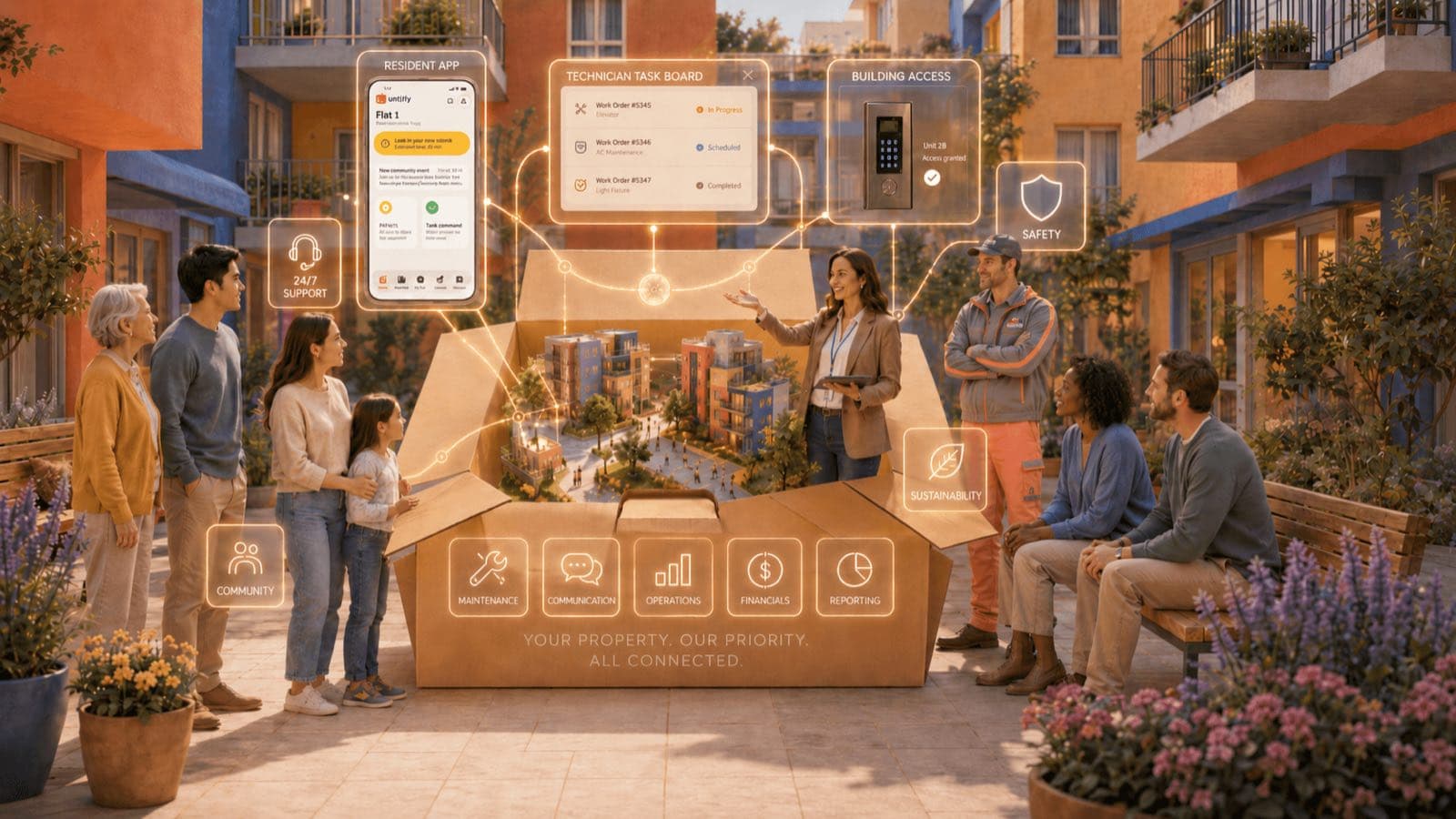
The story of Unitify’s origin inside real property management operations, and how the platform packages a ready-to-run management company.
Unitify’s May 2026 Tbilisi and Batumi road tour, and why the team sees Georgia’s mature digital infrastructure as a launchpad for the wider Caucasus region.
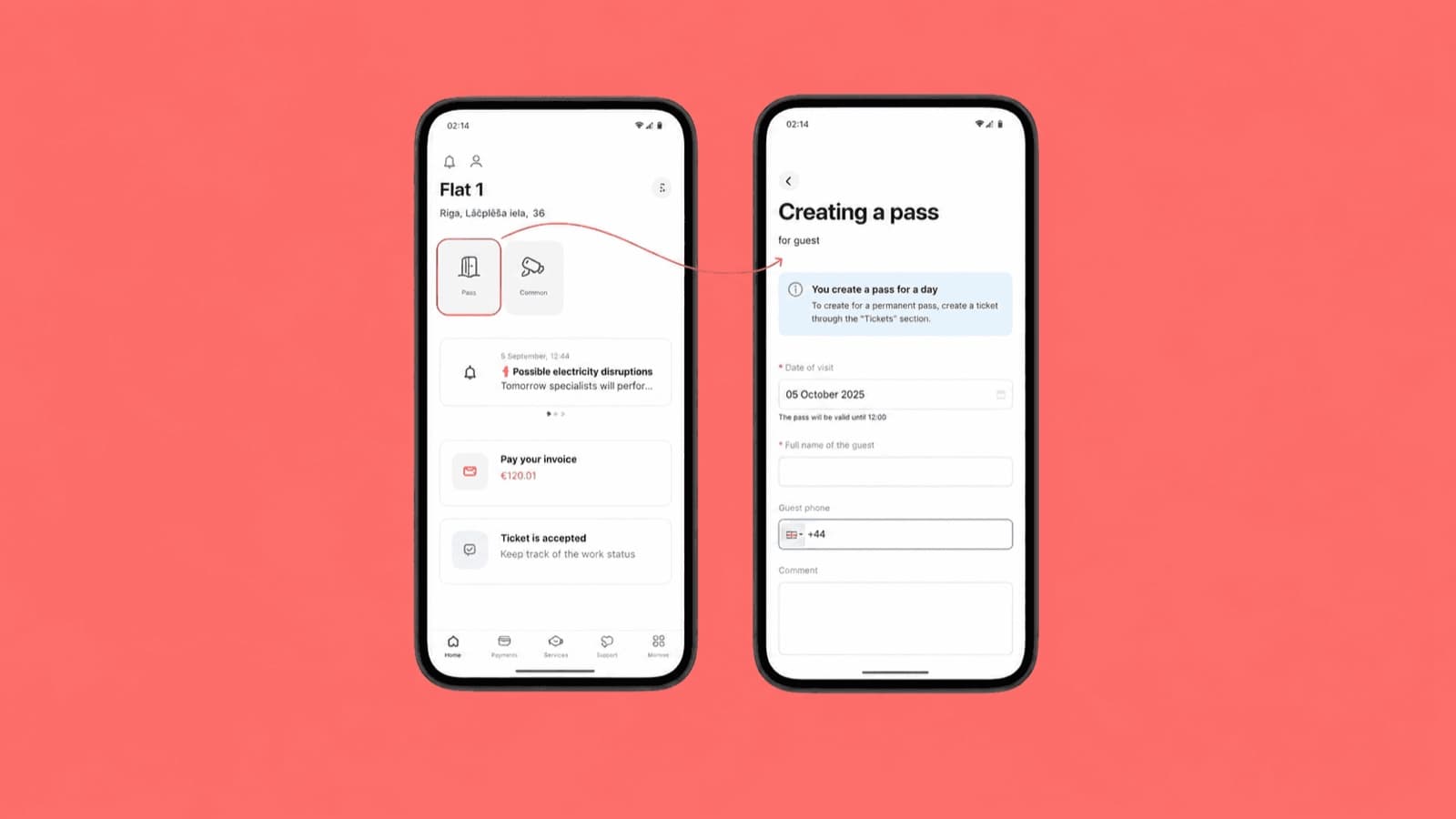
What MiniApps are: small modules inside the resident app and the management dashboard. Examples: amenity booking, guest passes and smart building devices.
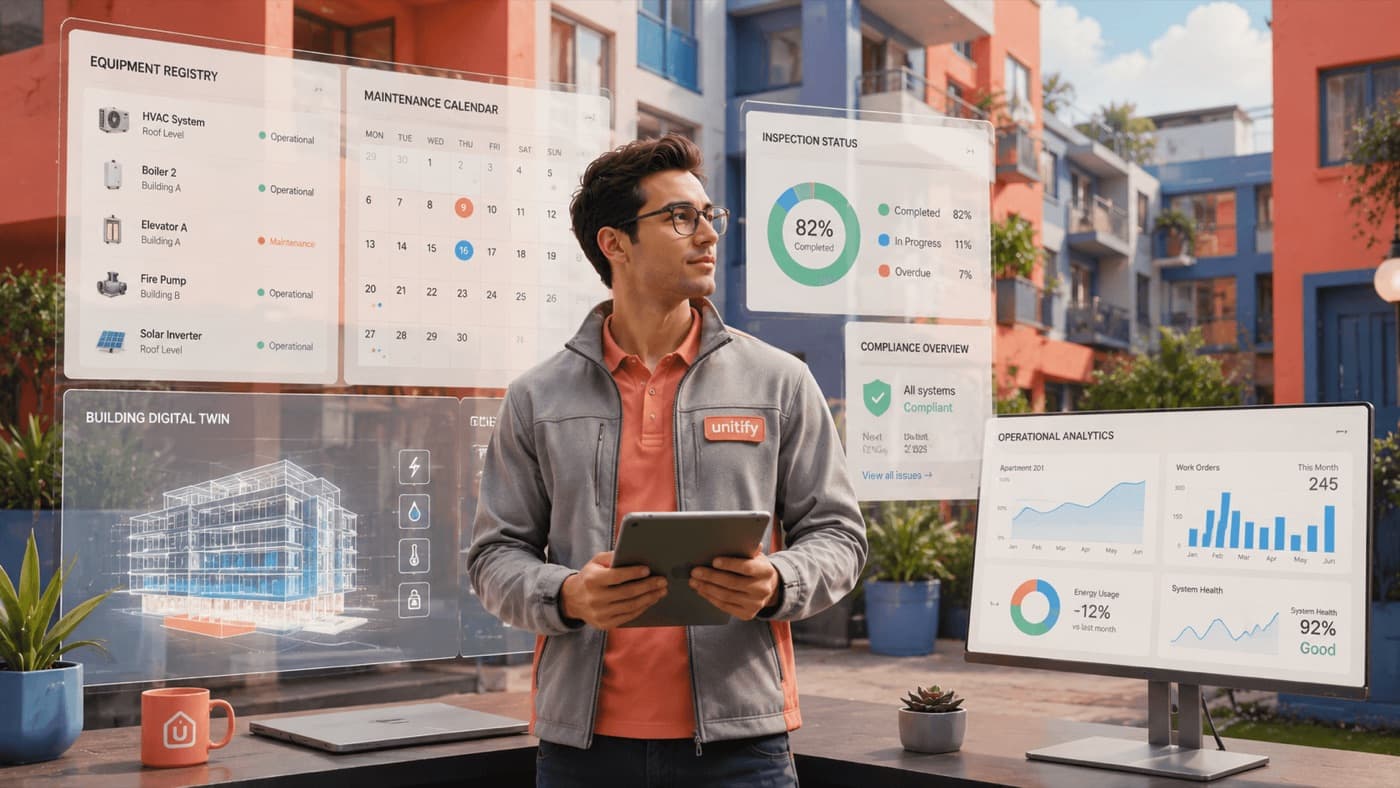
Vienna’s Bauwerksbuch law (Bauordnung Section 128a) makes digital building records mandatory by 2027. How Unitify’s AI Engineer drafts equipment maintenance plans that a person approves.
How Unitify’s new building-creation flow lets managers set up a 500-unit residential complex in seconds instead of manually configuring every unit.
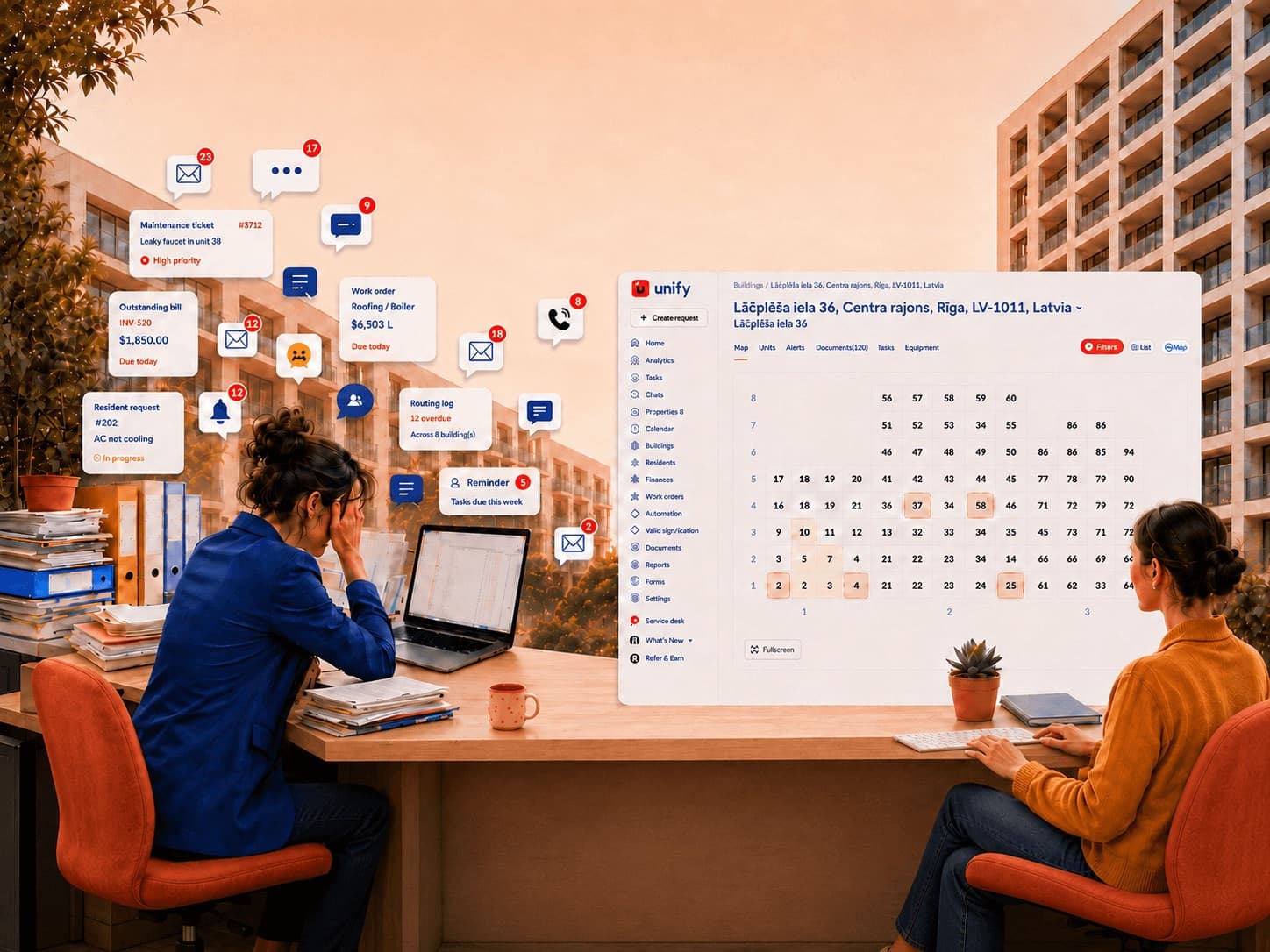
Unitify’s redesigned building chessboard turns a static occupancy view into one operational screen for tickets, balances, and resident context.
Unitify founder Ilia Sotonin’s book on running buildings at scale: frameworks drawn from running a company with ~20,000 residents, written to be shared with other property managers.
Ilia Sotonin on why residential real estate needs its own Plaid moment: a standardized, resident-consented API layer so AI agents can read unit-level data.
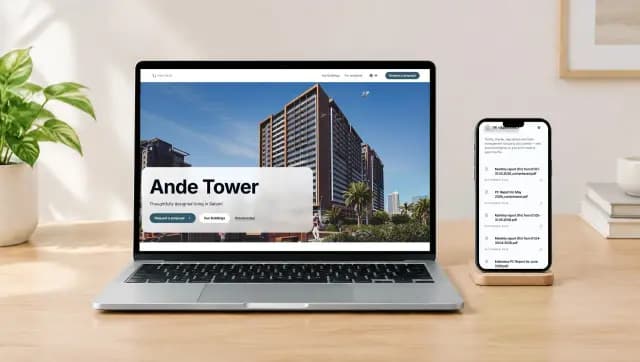
A conversation with Ande Group’s General Director on building a service-driven, digital-first management model for Ande Tower in Batumi, Georgia.
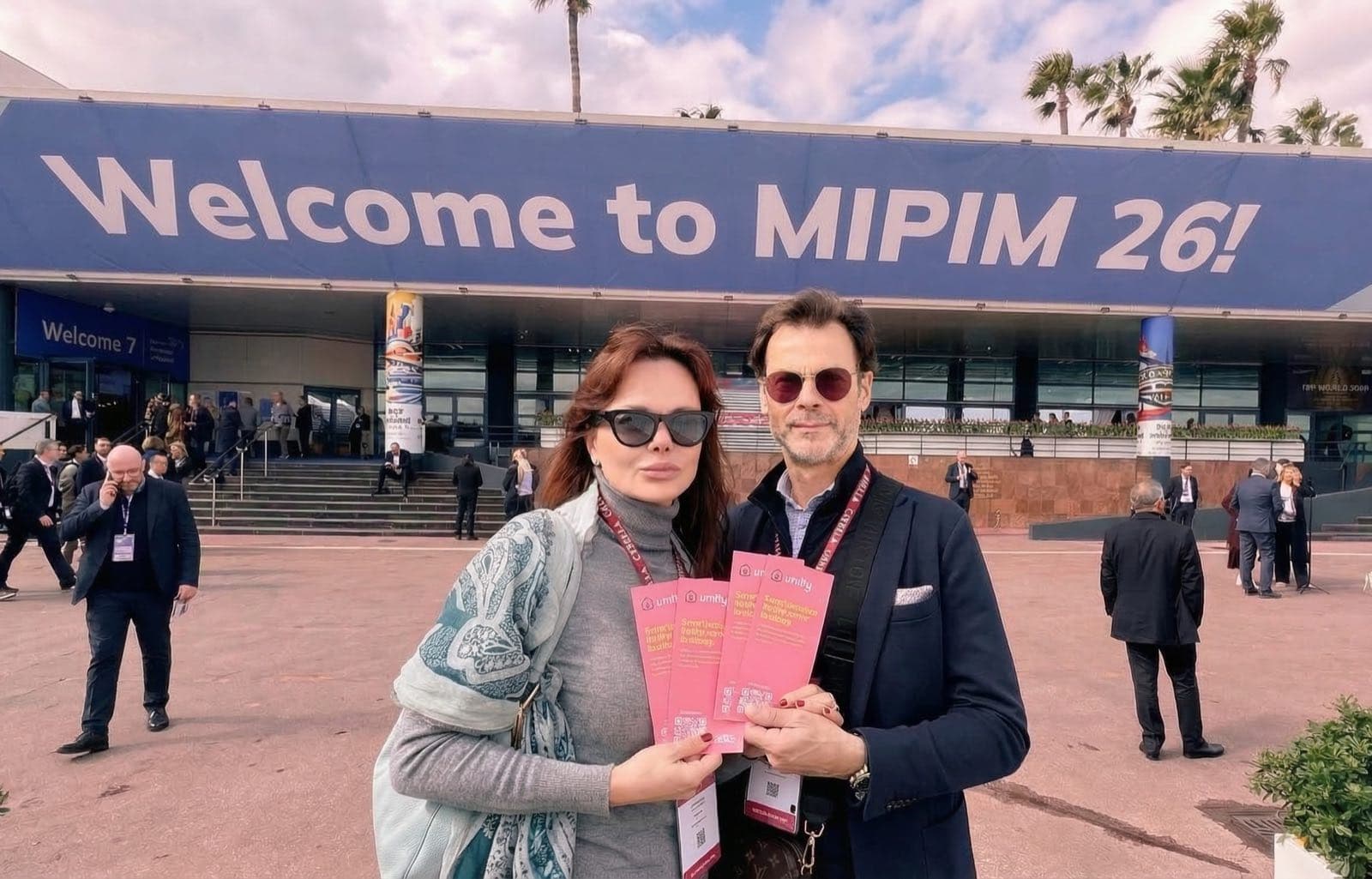
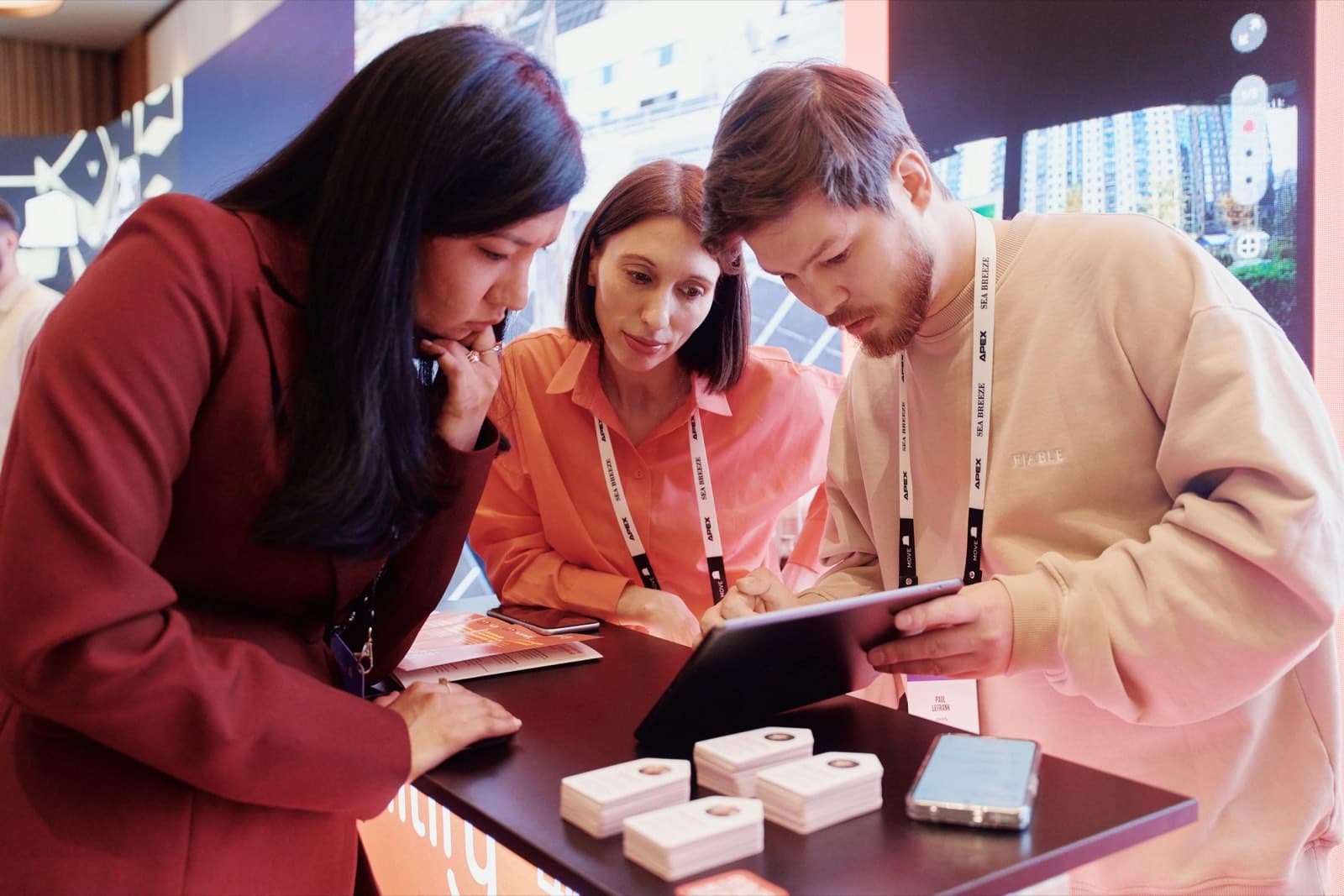
Takeaways from MIPIM 2026 on why AI in real estate depends on unifying fragmented building data before it can deliver real value to owners and residents.
How Unitify’s AI-driven platform lowers the scale threshold for profitable property management and builds resident trust through transparency.
A short preview of Unitify’s MIPIM 2026 Cannes appearance and its view that tomorrow’s housing will be defined by how it operates, not just how it’s built.
Takeaways from Unitify’s participation at MOVE Summit in Tashkent, on why developer sales success depends on the post-handover operations experience.
Argues that fixed, feature-based building software is giving way to modular platforms where services plug in like apps, reshaping resident experience and PM economics.
Why streamlined internal workflows, unified data, and automation inside a management company translate directly into calmer, more satisfied residents.
Why digital access control and video features matter to residents as an emotional sense of safety, not just as technology, and how Unitify delivers it.
Why unclear invoices and confusing charges erode resident trust, and how transparent billing with one-click payments builds it back.
How offering additional services beyond core maintenance builds resident trust, loyalty, and new revenue streams for management companies.
How proactive push notifications about outages, repairs, and building events reduce resident complaints and build trust.
How Unitify’s smart request handling turns maintenance issues into trust-building moments through clear routing, communication, and visibility for residents.
How centralizing information across a property management company’s internal systems improves both team efficiency and resident-facing communication.
Unitify’s founder explains why trust, built through transparent communication, is the real capital of a management company, and how that belief shaped the product.
An overview of Unitify’s approach to security and data protection across operational, financial, and resident-level data.
The founder’s origin story: from managing his first residential building with a phone under his pillow to building Unitify’s digital infrastructure for residential life.