
A turnkey smart building platform for developers in Slovenia
Unitify connects access control, video intercoms, dispatching and a resident app into one platform for developers building residential complexes in Ljubljana and beyond, and for the upravnik who runs the building afterward.
Built around Slovenia's Housing Act and Property Code
One platform built for the Stanovanjski zakon (SZ-1) and the upravnik (manager) it makes responsible for the monthly cost statement, the reserve fund and the annual report.
Payment rails already in use
The management fee runs on the payment methods Slovenian owners already use for recurring bills. Card payments run through Unitify's integrated Stripe acquiring.
Stripe
Card payments processed through Unitify's Stripe integration.
UPN QR
Slovenia pays bills on one standard form: the UPN QR payment order, governed by an instruction of the Bank Association of Slovenia and published with a programmer's specification.
SEPA direct debit
Fully available in Slovenia and clears through a domestic system, with creditor-identifier rules published by the banks' association for both the core and B2B scheme.
Flik
Lets a resident pay by phone number, e-mail, QR code or NFC, between any two Slovenian banks, in seconds, around the clock — acceptance is arranged through a business's own bank, usually as an extension of an existing card integration.
Built around Slovenian housing law, verified against the primary source
Every claim below links to the primary-source citation it is verified against, not a summary.
When a manager is mandatory, and the management contract (arts. 48, 49, 53, SZ-1; art. 118, SPZ)
Apartment building management in Slovenia is governed by two acts at once: the Housing Act (SZ-1), in force since October 2003, and the Property Code (SPZ), which fills every gap SZ-1 leaves. A manager is compulsory in a Slovenian building only where there are more than two apartment owners and more than eight individual units. Below that, the owners must perform every management task themselves. A professional manager in Slovenia has to be registered for the activity of real-estate management — there is no licence, no qualification level and no state exam. The management contract is concluded when the manager and owners holding more than half of the co-ownership shares sign it, and it then binds every owner in the building, including those who voted against and everyone who buys a flat later.
Arts. 1, 48, 49, 53, Stanovanjski zakon (SZ-1); art. 118, Stvarnopravni zakonik (SPZ), pisrs.si ↗Decisions: majority thresholds and statutory electronic voting (arts. 25, 25.a, 29, 35.a, 36, 37, SZ-1)
Slovenian owners decide by more than half of the co-ownership shares in the building for ordinary management — which includes appointing and dismissing the manager, the maintenance plan, and rejecting the manager's report. Anything beyond ordinary management needs more than three quarters of the co-ownership shares, and a short list of decisions — including borrowing against the reserve fund — needs every owner. Electronic voting has been in the Slovenian Housing Act since June 2021, and the implementing regulation requires the owner to cast the vote with a qualified electronic signature. An owners' assembly in Slovenia is called with at least 14 days' written notice, and it can decide only if the majority that decision itself requires is present in the room.
Arts. 25, 25.a, 29, 35.a, 36, 37, Stanovanjski zakon (SZ-1), pisrs.si ↗The reserve fund: a statutory €/m² minimum by building age, on its own account (SPZ art. 119; SZ-1 art. 42)
A reserve fund is compulsory in a Slovenian building with more than two owners and more than eight units. It is the owners' joint property, it can never be paid back, and it may be spent only on maintenance, necessary improvements and repaying loans taken for those. Slovenia sets the minimum monthly reserve-fund contribution by law: the flat's area multiplied by a rate that depends on the building's age — nothing up to ten years, €0.20 per m² from ten to thirty years, €0.25 per m² from thirty to sixty, and €0.30 per m² above sixty. By default the manager opens and runs a fiduciary account for the reserve fund of each building separately; owners may vote to pool several buildings into one account, and the manager then has to keep separate bookkeeping for each. Reserve-fund money in Slovenia is bankruptcy-remote: it is not part of the manager's estate and the manager's creditors cannot reach it.
Pravilnik o merilih za določitev prispevka etažnega lastnika v rezervni sklad..., arts. 4, 7; art. 119, Stvarnopravni zakonik (SPZ); SZ-1 art. 42, pisrs.si ↗The monthly statement's content is prescribed by law (SZ-1 arts. 63, 66; Pravilnik arts. 22–29)
Slovenian law prescribes what a monthly bill must show: every operating, maintenance and management cost for the whole building, that owner's share of each, the monthly reserve-fund contribution, any other payments, and the reserve-fund balance for the whole building. Slovenia does not leave the cost split to the contract: a ministerial regulation assigns each type of operating cost to one of three keys — heated area, number of units, or number of users — and requires metered billing wherever meters exist. Slovenia does not require a separate bank account per building for operating money, and it does not require housing charges to be paid cashlessly.
Art. 66, Stanovanjski zakon (SZ-1); Pravilnik o upravljanju večstanovanjskih stavb arts. 22–29; SZ-1 art. 63, pisrs.si ↗Arrears: the manager's demand as an authentic document, and a capped statutory charge on the flat (SZ-1 art. 44(3); SPZ arts. 119(6), 120; ZIZ)
If an owner does not pay into the reserve fund, the manager's written demand counts by law as an authentic document — it opens enforcement without a prior lawsuit. All invoice-based enforcement in Slovenia goes through one department of one court — the Central Department for Authentic Documents at the Ljubljana Local Court (Okrajno sodišče v Ljubljani). The application is filed electronically, the invoice does not have to be attached, the creditor does not need to know the debtor's bank, and the debtor is ordered to pay within eight days of service. Slovenia's statutory default interest is the European Central Bank's main refinancing rate plus eight percentage points, reset for each half-year and published in the official gazette. In Slovenia unpaid management costs and reserve-fund contributions sit on the flat itself as a statutory charge in favour of the other owners, capped at five times the minimum reserve-fund contribution — and that charge ranks ahead of everything else on the flat.
SZ-1 art. 44(3); SPZ arts. 119(6), 120; Zakon o izvršbi in zavarovanju (ZIZ) arts. 23, 40.c, 41; ZPOMZO-1 art. 2, pisrs.si ↗58 local manager registers, no state platform for charges — and a manager's fine of up to €125,000 (SZ-1 arts. 161, 166, 167, 171)
Slovenia does not keep one national register of managers: each of the 58 administrative units keeps its own, recording the building's address, the manager and the date of the management contract. Slovenia has national registers — the real-estate cadastre, the energy-certificate register, the managers' registers — but no state platform for building management. There is no Slovenian state system for housing charges, for owners' decisions or for reporting by managers: the manager's only filings to the state are its register entry and notifying the surveying authority when a flat changes hands. Failing to issue the monthly cost statement, to keep the building's money in separate bookkeeping, to run the reserve-fund account or to convene the annual assembly exposes a Slovenian management company to a fine of €5,000 to €125,000, and its responsible officer to €800 to €2,000.
SZ-1 arts. 161, 166, 167, 171, pisrs.si ↗The hardware layer, wired into your platform
Intercom, access, video, meters and EV charging connect through mini apps, alongside your requests and billing.
Digital intercom
Calls go straight to the resident’s phone. Entry by app, BLE tag or face.
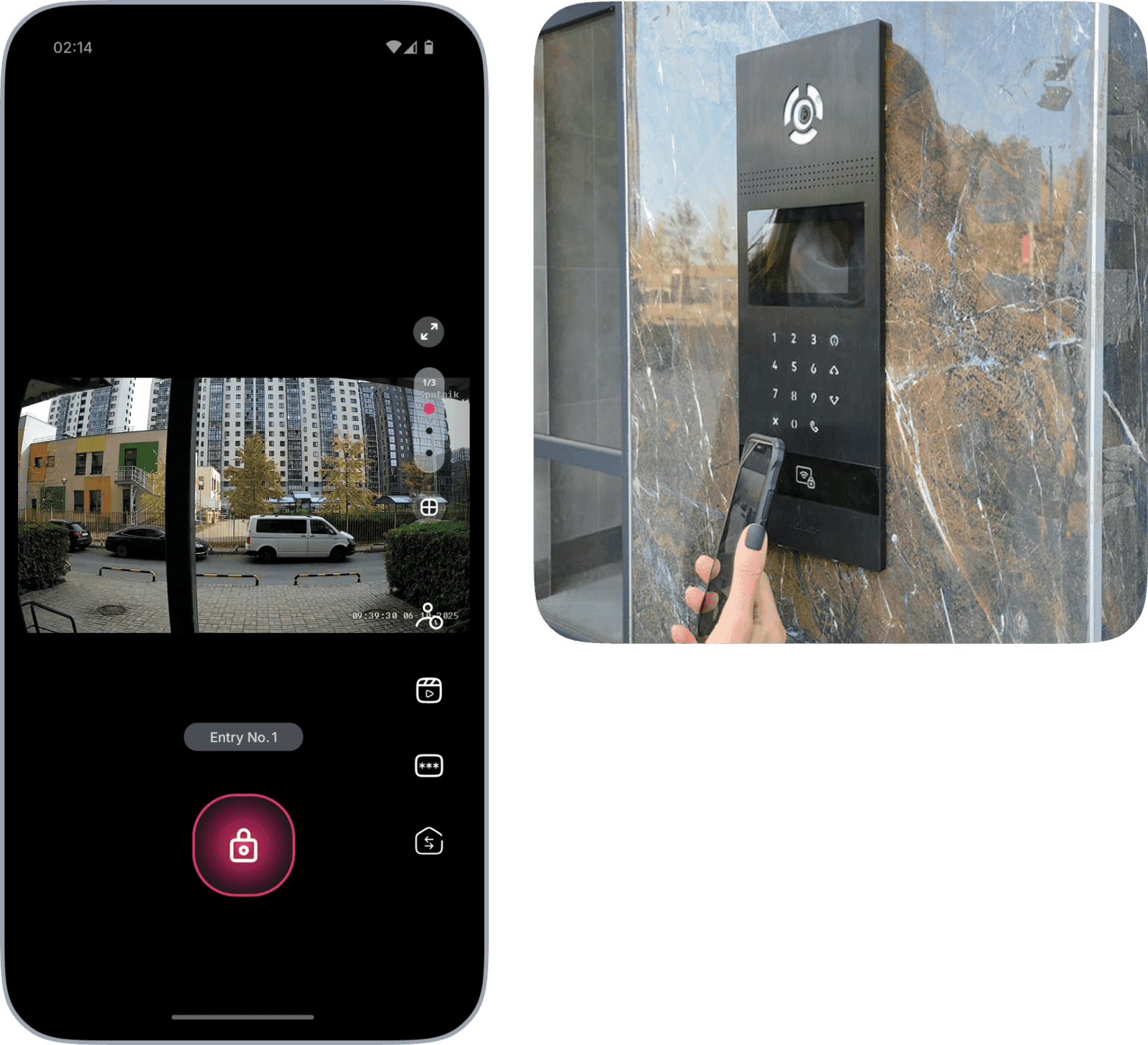
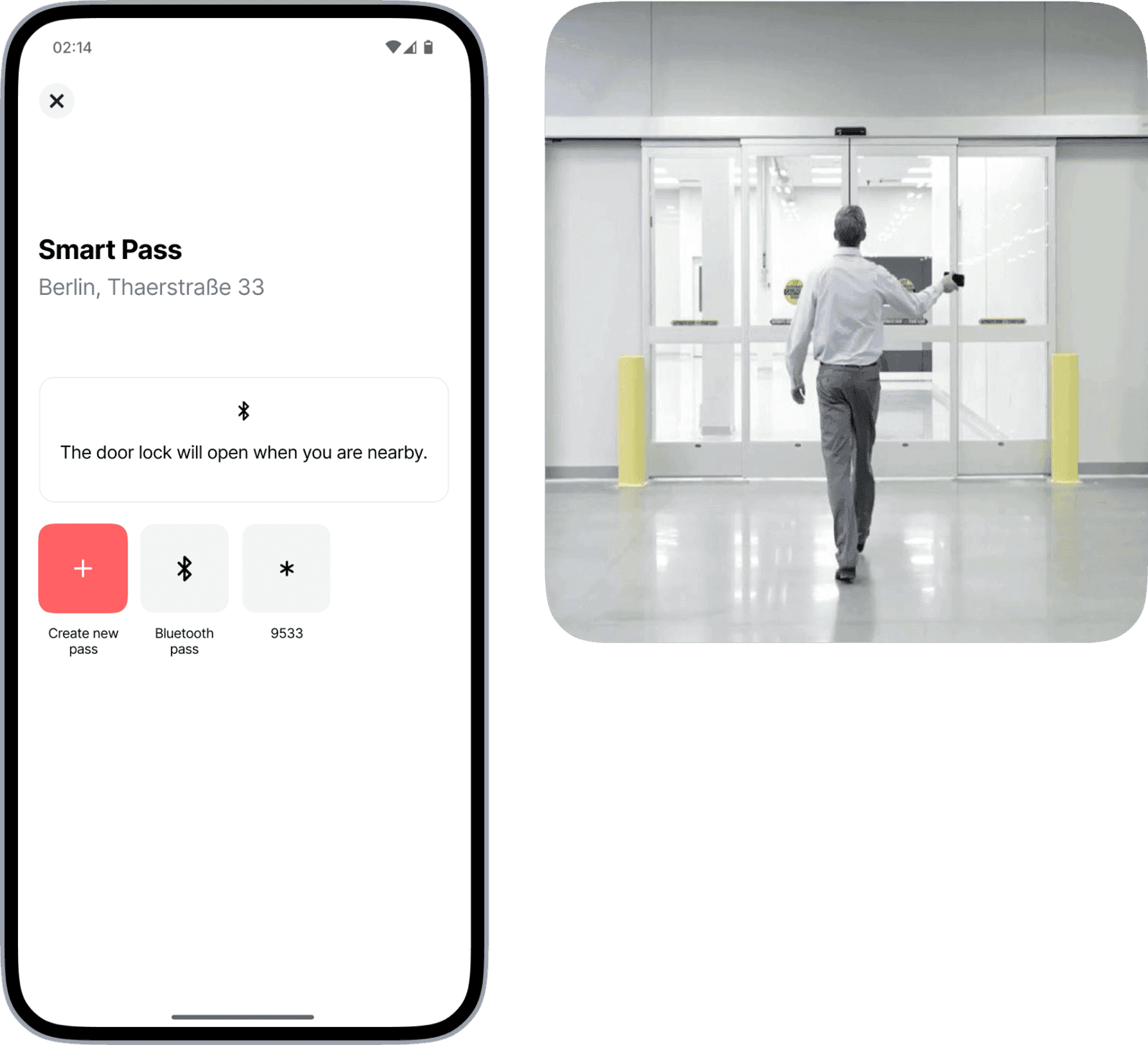
Access control
Contactless entry by phone or tag. Vehicle access by plate recognition.
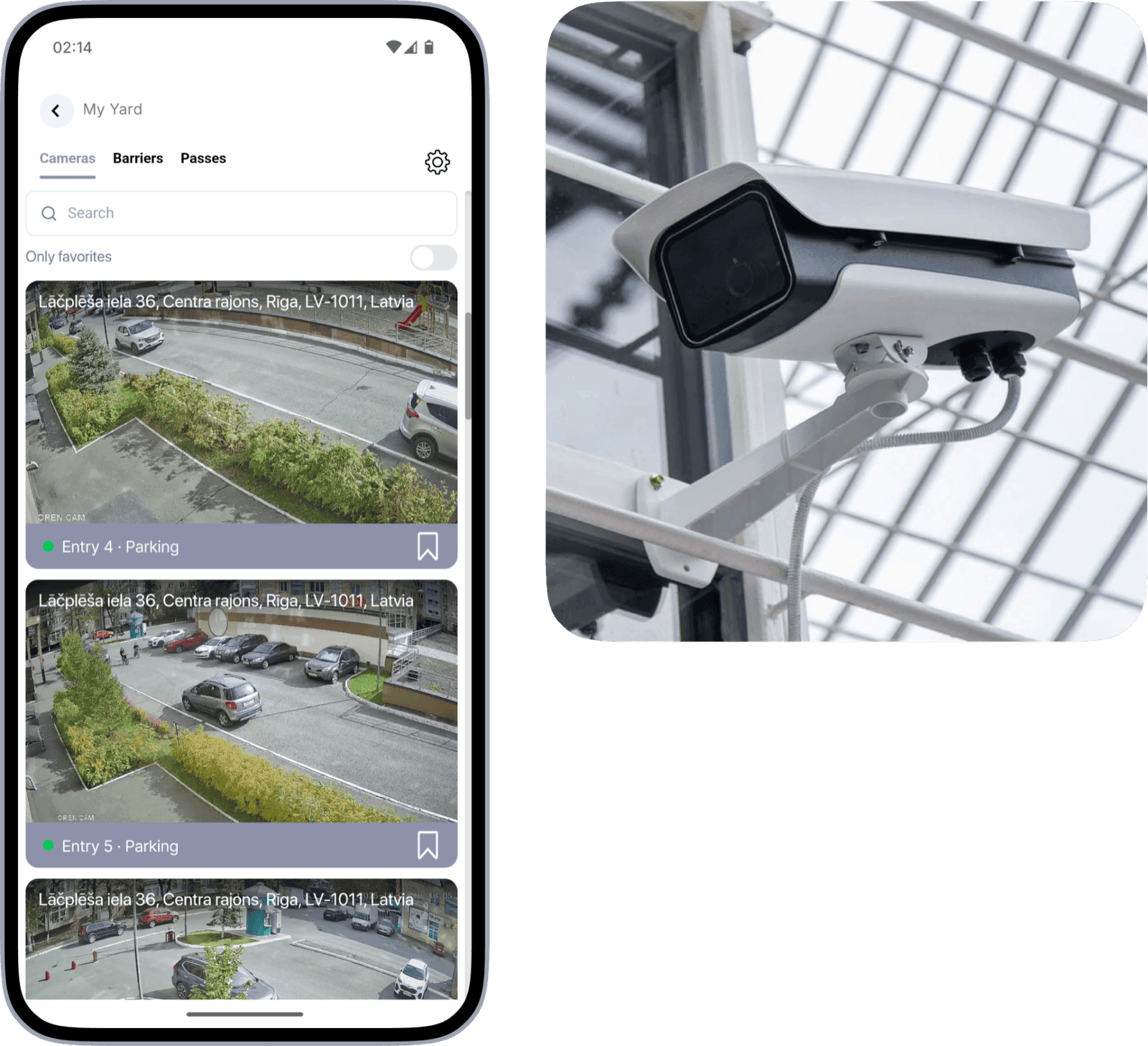
Video surveillance
Live cameras, digital archives and plate recognition at the gate.
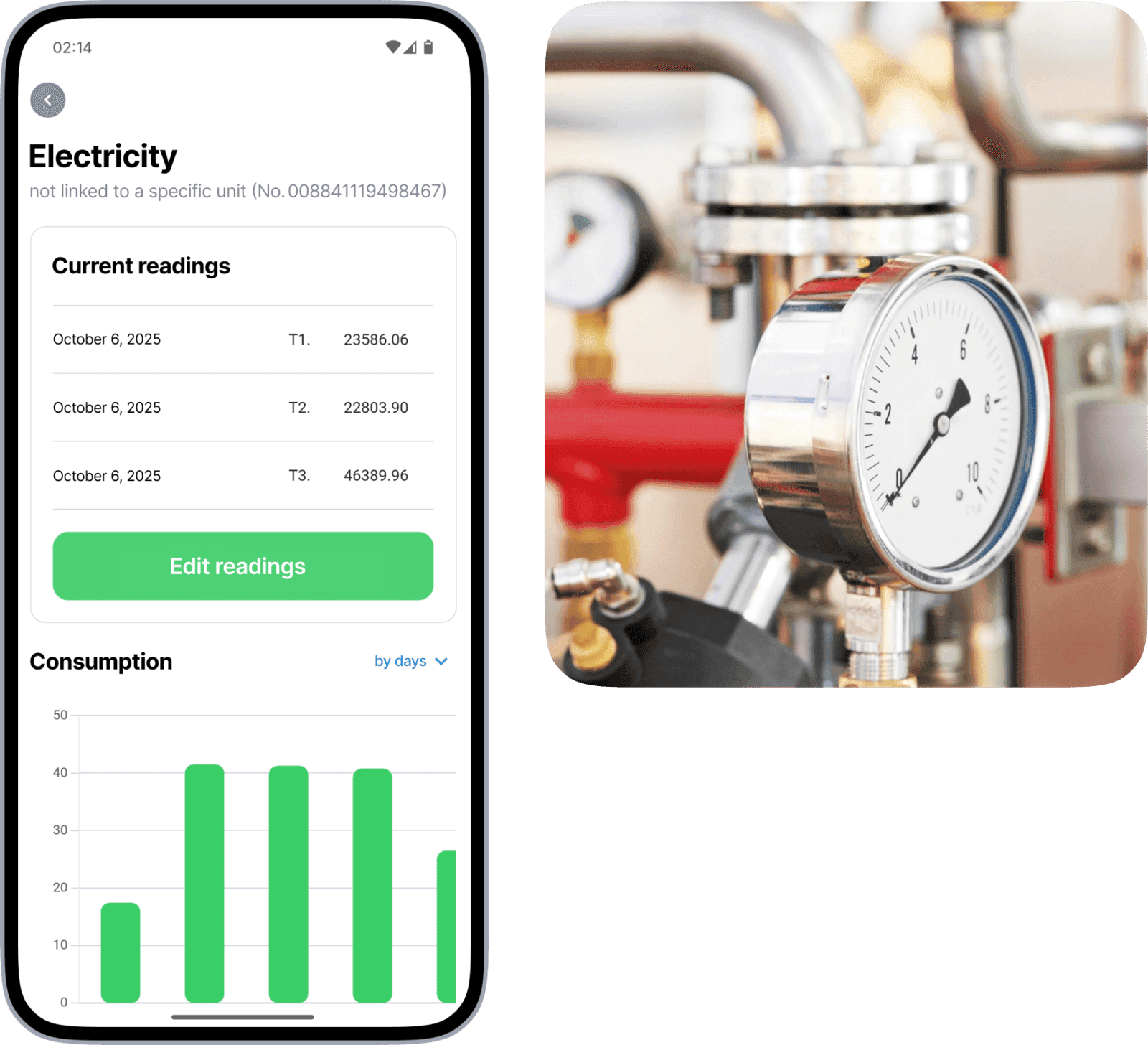
Meter telemetry
Electricity, water, gas and heat readings arrive automatically, no manual rounds.
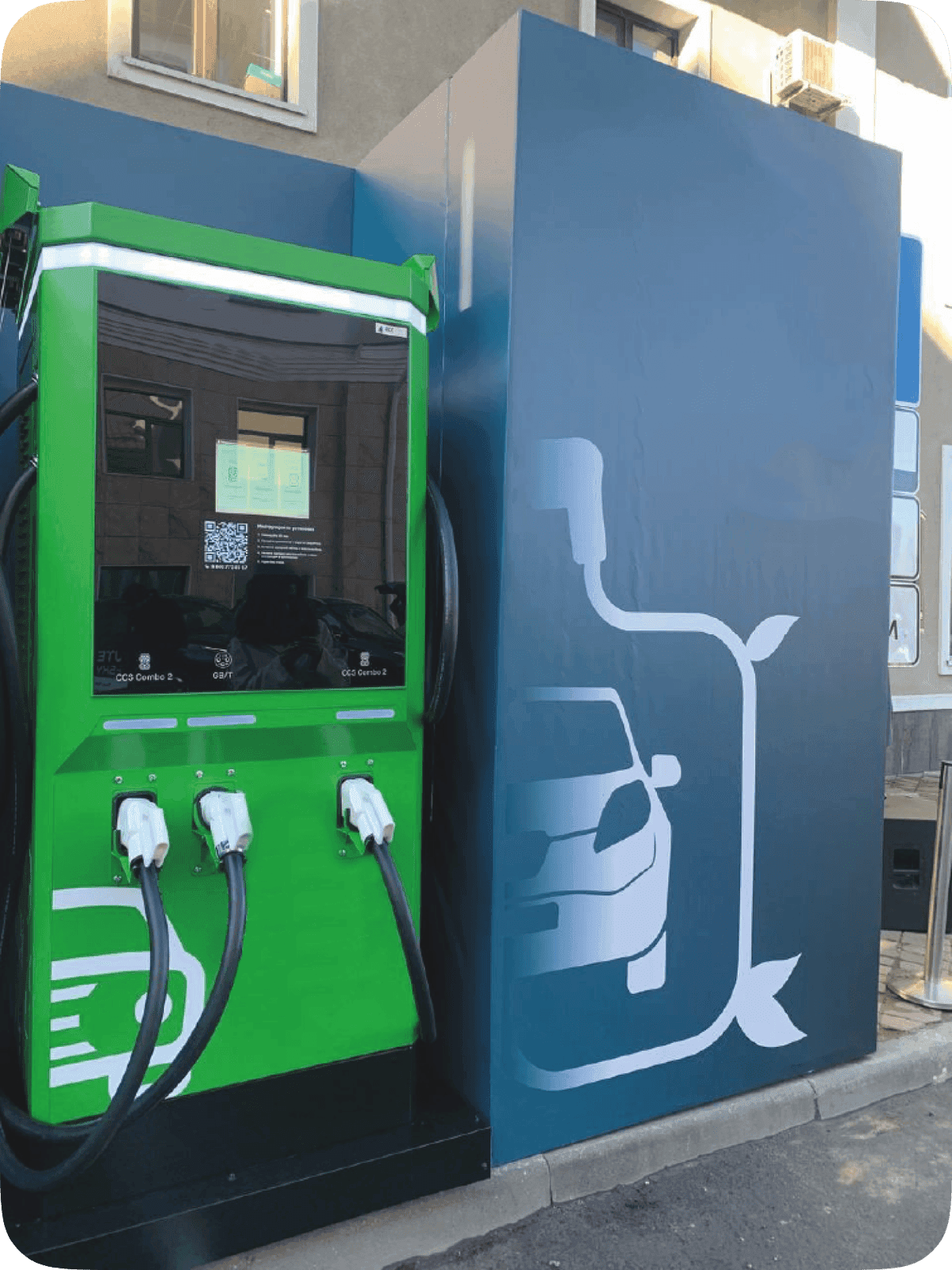
EV charging
Stations on the map, sessions booked, billed and tracked in the app.
Building management
Ventilation, heating, lifts and other systems monitored from one dashboard, with instant alerts.
Devices, orchestrator, resident app
Devices
Intercoms, access control, cameras, meters, EV chargers and building systems, from any vendor.
Orchestrator
Unitify connects every device to one dashboard. New hardware plugs in as a mini app, nothing gets replaced.
Resident app
One app for doors, meters, intercom calls and charging. No fifth login to remember.
Questions developers and building managers ask
How should a developer approach smart-building technology in a new Slovenian residential complex?
Treat it as one platform decision, not a shopping list of hardware: access control, video intercoms, dispatching and a resident app should hand over to the building's upravnik already connected, along with the monthly cost statement the law prescribes from day one.
Is a manager mandatory in every Slovenian apartment building?
A manager is compulsory in a Slovenian building only where there are more than two apartment owners and more than eight individual units. Below that, the owners must perform every management task themselves.
Does Slovenian law allow owners to vote electronically?
Electronic voting has been in the Slovenian Housing Act since June 2021, and the implementing regulation requires the owner to cast the vote with a qualified electronic signature.
How does a video intercom with phone unlocking work?
The call goes to the resident's phone through the app instead of a panel inside the apartment. The resident sees the visitor on camera and unlocks the door remotely.
What does a smart building cost a developer in Slovenia, roughly?
It depends on which systems are included — access control, intercoms, dispatching, meters — and scales with unit count. Unitify's cost calculator breaks this down per building rather than quoting a flat industry number.
From the blog

Ready to make your next project smarter?
Unitify connects every building system into one platform and one resident app, for new developments and existing buildings alike.