
A turnkey smart building platform for developers in Serbia
Unitify connects access control, video intercoms, dispatching and a resident app into one platform for developers building residential complexes in Belgrade and beyond, and for the stambena zajednica that runs the building afterward.
Built around Serbia's Law on Housing and Building Maintenance
One platform built for the Zakon o stanovanju i održavanju zgrada and the stambena zajednica (housing community) that becomes a legal person the moment two people own two separate units in the building.
Payment rails already in use
Serbian building charges run on the payment methods residents already use for recurring bills — there is no Unitify-integrated acquiring rail in this market yet.
Bank transfer
Contributions are paid into the housing community's own current account by the last day of the month for the current month, unless the management contract routes them to the manager's account or to a municipal unified-billing system.
NBS IPS QR
The National Bank of Serbia publishes a free generator and validator for the IPS QR code, and an API for issuing them in bulk; a resident scans it in any mobile banking app to pay in a few steps, and the reference number the payee needs cannot be changed by the payer.
Infostan unified billing (Belgrade)
Belgrade has run a single unified utility bill since 1977, operated by the city utility company JKP Infostan Tehnologije across ten central and three outer municipalities; a housing community may sign a contract to have its charges added to the same monthly bill — joining is a right, not an obligation.
Post office / bank counter
In Belgrade a resident pays the monthly bill at a post office counter, at most banks, by standing order, or through e-banking.
Built around Serbian housing law, verified against the primary source
Every claim below links to the primary-source citation it is verified against, not a summary.
The act and the housing community as a legal person (arts. 1, 16, 18, 21)
Multi-apartment buildings in Serbia are governed by a single act: the Law on Housing and Building Maintenance, published in the Official Gazette of the Republic of Serbia No. 104 of 23 December 2016 and in force since 31 December 2016. Its provisions on management, meetings, the register, managers and costs have not been amended since 2016. A Serbian housing community is not something owners have to found: it becomes a legal person at the moment two people own two separate units in the building. Every housing community has a company number, a tax number and a current bank account of its own. Each local self-government unit keeps its own Register of Housing Communities, and the Republic Geodetic Authority consolidates all of them into a single national record.
Arts. 1, 16, 18, 21, Zakon o stanovanju i održavanju zgrada, pravno-informacioni-sistem.rs ↗Professional managers: the licence, the register, and when one is imposed (arts. 51–53, 57)
The licence for a professional manager is issued to an individual by the Serbian Chamber of Commerce after an examination, and a management company qualifies by employing at least one licensed manager full time on an indefinite contract. A professional manager's licence requires professional indemnity insurance with an annual sum insured of at least EUR 10,000 in dinar equivalent, filed with the Chamber every year. The register of professional managers is public and published online by the Serbian Chamber of Commerce; on 14 September 2026 it listed 2,234 registered managers. A professional manager is not mandatory in Serbia: the local government imposes one only where a housing community was never registered or has gone thirty days without electing a manager. Where a manager is imposed, the municipal administration appoints him from the register and the local government sets his fee. A Serbian professional manager must receive fault and nuisance reports every day of the week, twenty-four hours a day, and must log every report with the problem and the time it was received.
Arts. 51, 52, 53, 57, Zakon o stanovanju i održavanju zgrada, pravno-informacioni-sistem.rs ↗The assembly: votes, quorum, and statutory electronic voting (arts. 40–46)
The assembly meets at least twice a year, the manager chairs it and must attend, and any owner may call a session if the manager does not do so within ten days of being asked. Each unit carries one vote, an owner of several units has several votes, and a garage or garage space carries no separate vote. An owner who fails three times in a row to respond to a properly posted notice, without explaining why, is treated as unavailable and his vote is left out of both the quorum and the total. The assembly has a quorum on a simple majority of all votes; if that fails, it reconvenes between three and thirty days later with the same agenda and a one-third quorum. Decisions pass on a simple majority of the votes present, except decisions to dispose of common parts, to entrust management to a professional manager, or to take a loan, which need two-thirds of all votes. Serbian law expressly allows an owner to cast his vote in writing or by electronic means, and an owner who does so counts as present for the quorum. The law prescribes no particular method, platform or state system for an electronic vote.
Arts. 40, 41, 43, 44, 45, 46, Zakon o stanovanju i održavanju zgrada, pravno-informacioni-sistem.rs ↗Money: two cost bases, municipal floors, and a statutory bank-account right (arts. 63–65)
Every owner of a unit must contribute to the cost of maintaining the common parts and managing the building. Current maintenance and management are shared per unit, while investment maintenance and building upgrades are shared by floor area — so one Serbian building bill legitimately mixes a flat per-apartment charge and a per-square-metre charge. The assembly sets the monthly amount, but it may not set it below the minimum fixed by the local government. In the City of Belgrade the statutory monthly minimum per flat is 360.85 dinars in a building without a lift and 469.11 dinars in a building with one, set by the City Assembly's decision of 26 June 2018. Contributions are paid into the housing community's own current account by the last day of the month for the current month, unless the management contract routes them to the manager's account or to a municipal unified-billing system. Every owner has a statutory right to see the housing community's bank balance and transactions electronically.
Arts. 63, 64, 65, Zakon o stanovanju i održavanju zgrada; City of Belgrade decision, Službeni list grada Beograda 50/2018 ↗Arrears: enforcement on an authentic document, statutory interest, and a fixed fine (arts. 67–68, 132)
Unpaid building charges are pursued through enforcement on an authentic document, decided by Serbian public enforcement officers as well as by the courts. Default interest on a dinar debt runs by operation of law at the National Bank of Serbia's key policy rate plus eight percentage points, calculated on a simple, non-compounding basis. Failing to pay your share of the building's maintenance and management costs is a fixed administrative fine of 5,000 dinars, separate from the debt itself. Where the common parts are damaged, the manager must act within two months to recover the cost, court action included, and a professional manager who lets that deadline pass is jointly liable for the loss.
Zakon o izvršenju i obezbeđenju arts. 1, 52; Zakon o zateznoj kamati; Zakon o stanovanju i održavanju zgrada arts. 67, 68, 132, pravno-informacioni-sistem.rs ↗The state register: local, consolidated, and published as open data (arts. 18, 20, 21)
Each local self-government unit keeps its own Register of Housing Communities, and the Republic Geodetic Authority consolidates all of them into a single national record. The register is published as open data on the Republic of Serbia's open-data portal and updated quarterly. According to the Register of Housing Communities published on the Republic of Serbia's open-data portal, 58,080 housing communities were registered in Serbia as at 30 June 2026, 27,444 of them in the City of Belgrade.
Arts. 18, 20, 21, Zakon o stanovanju i održavanju zgrada, pravno-informacioni-sistem.rs ↗The hardware layer, wired into your platform
Intercom, access, video, meters and EV charging connect through mini apps, alongside your requests and billing.
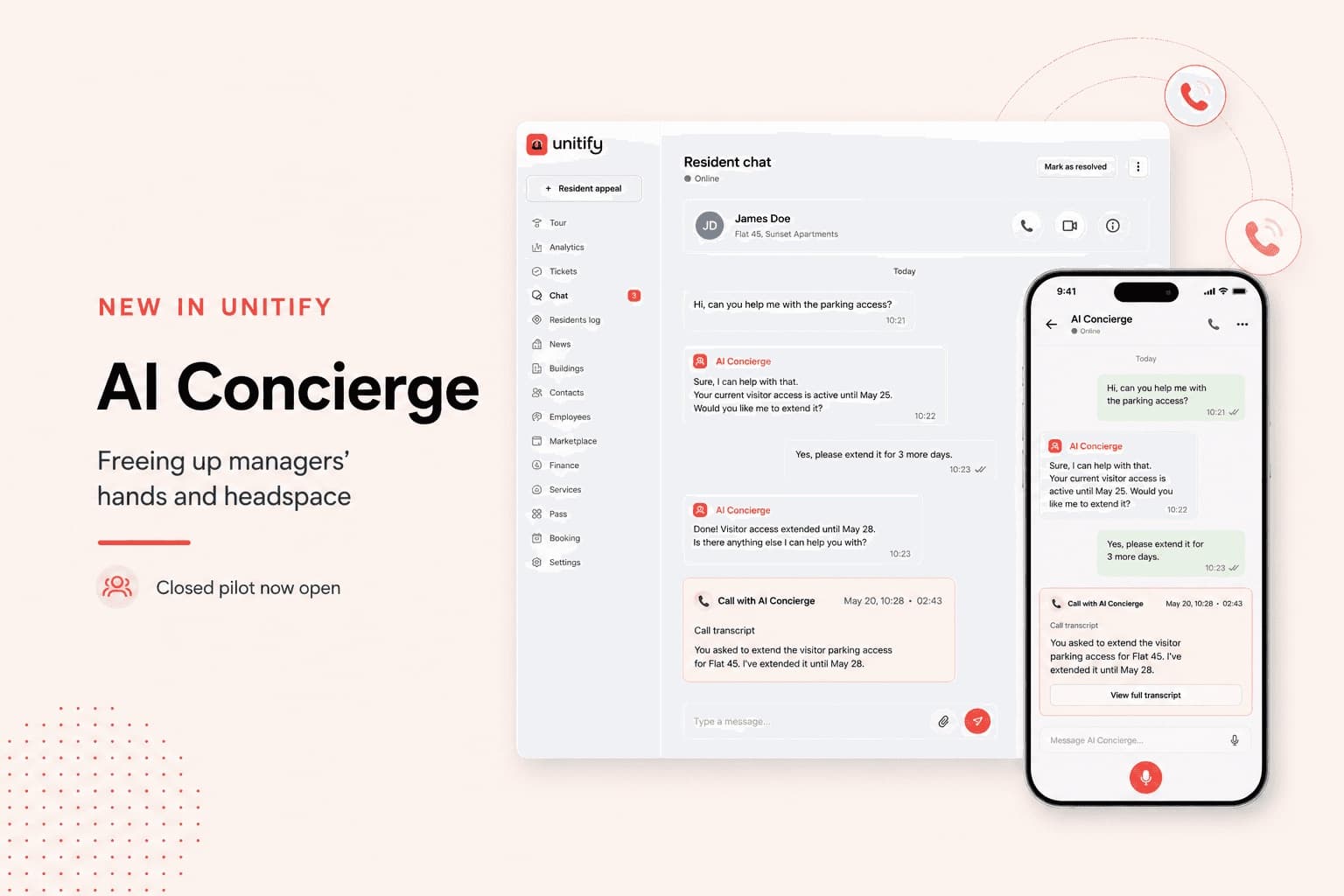
Digital intercom
Calls go straight to the resident’s phone. Entry by app, BLE tag or face.
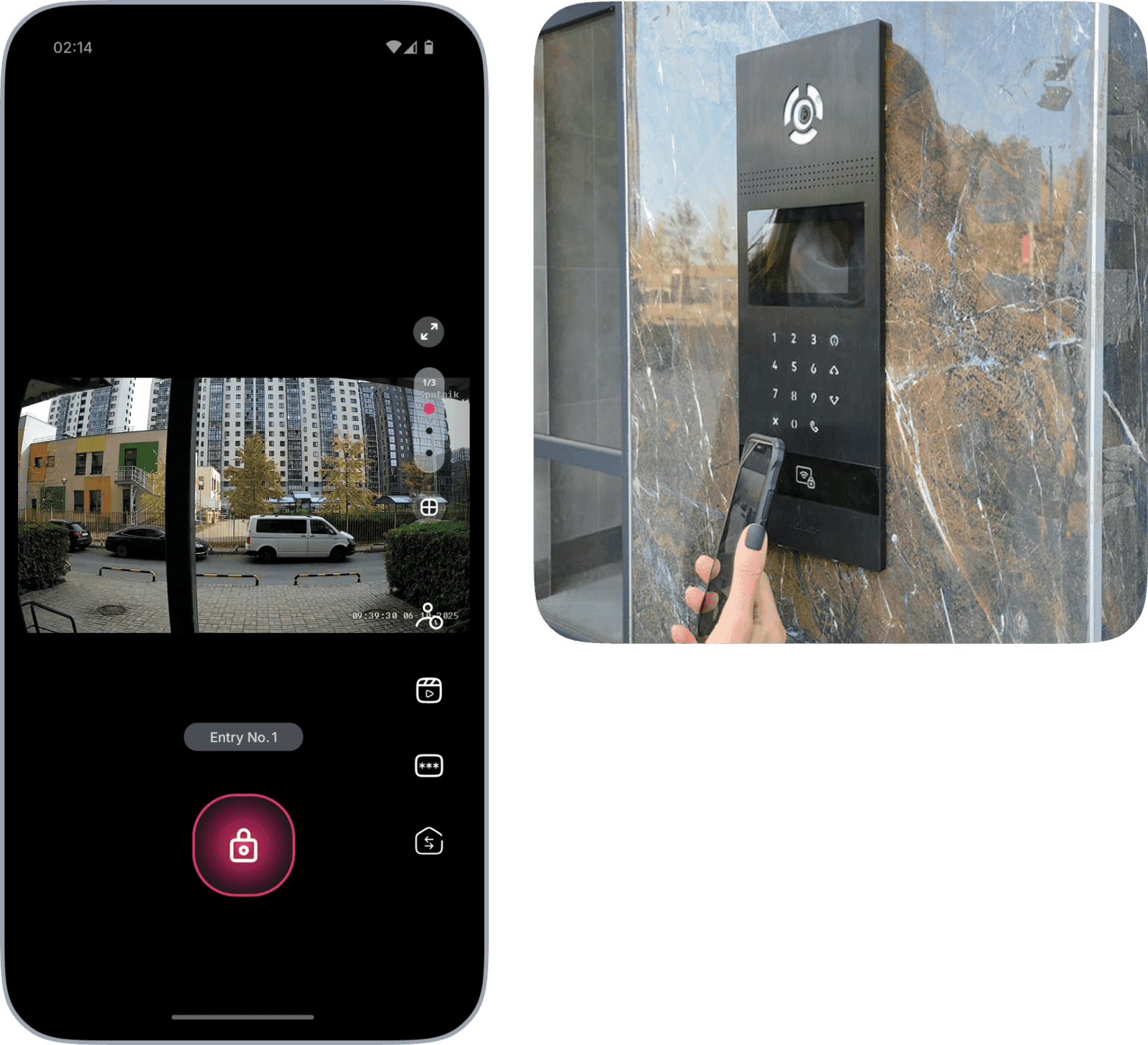
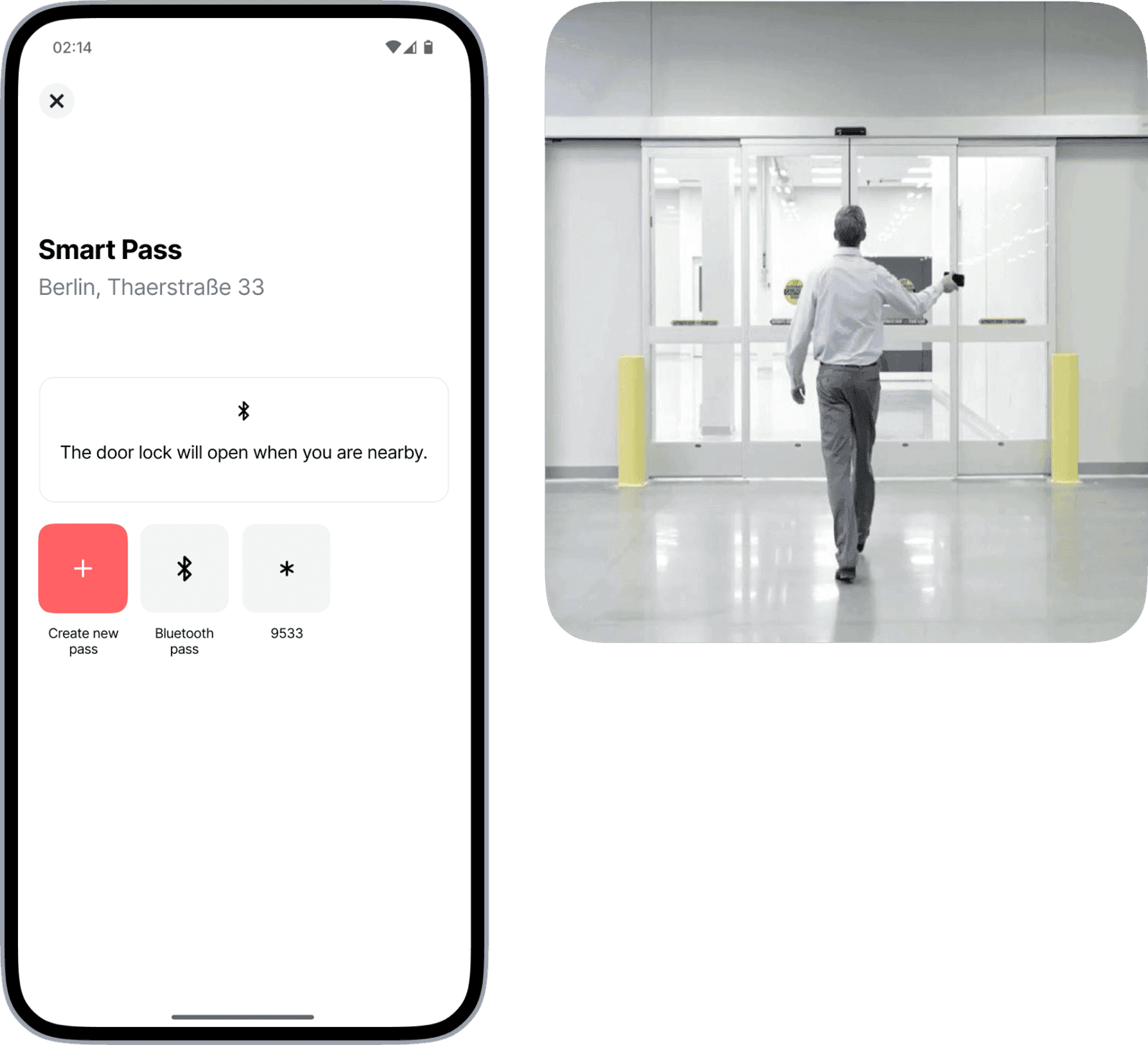
Access control
Contactless entry by phone or tag. Vehicle access by plate recognition.
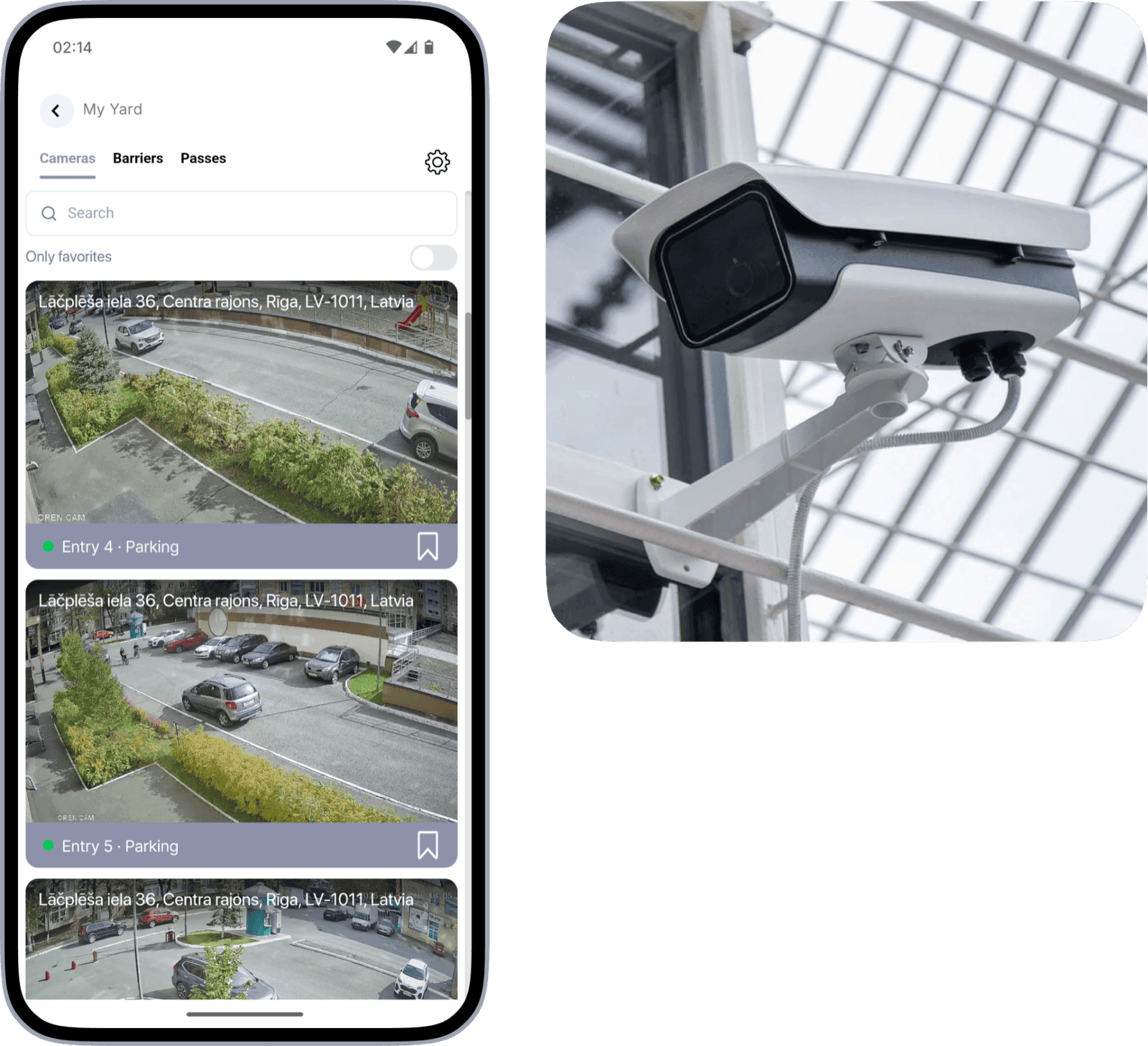
Video surveillance
Live cameras, digital archives and plate recognition at the gate.
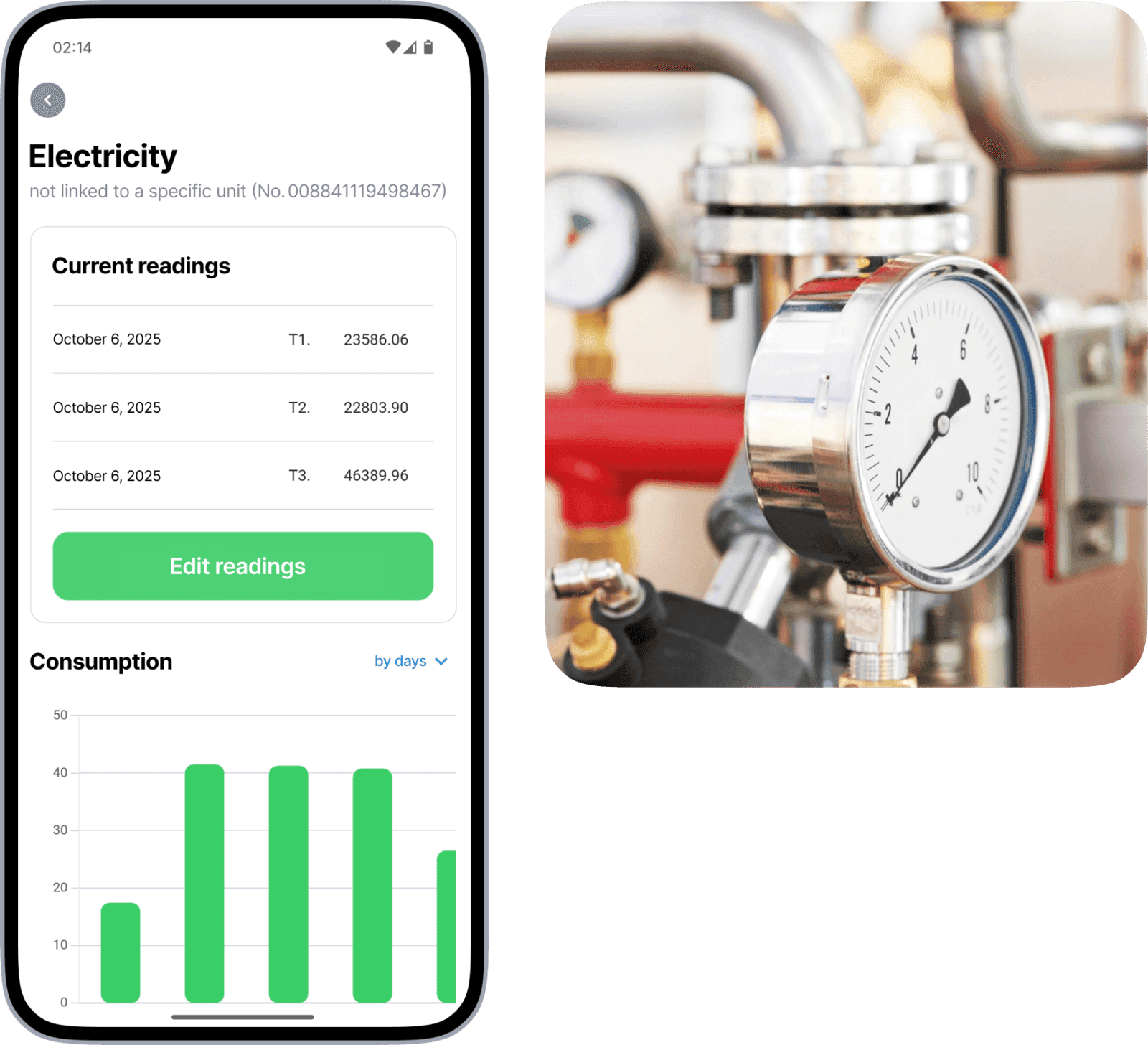
Meter telemetry
Electricity, water, gas and heat readings arrive automatically, no manual rounds.
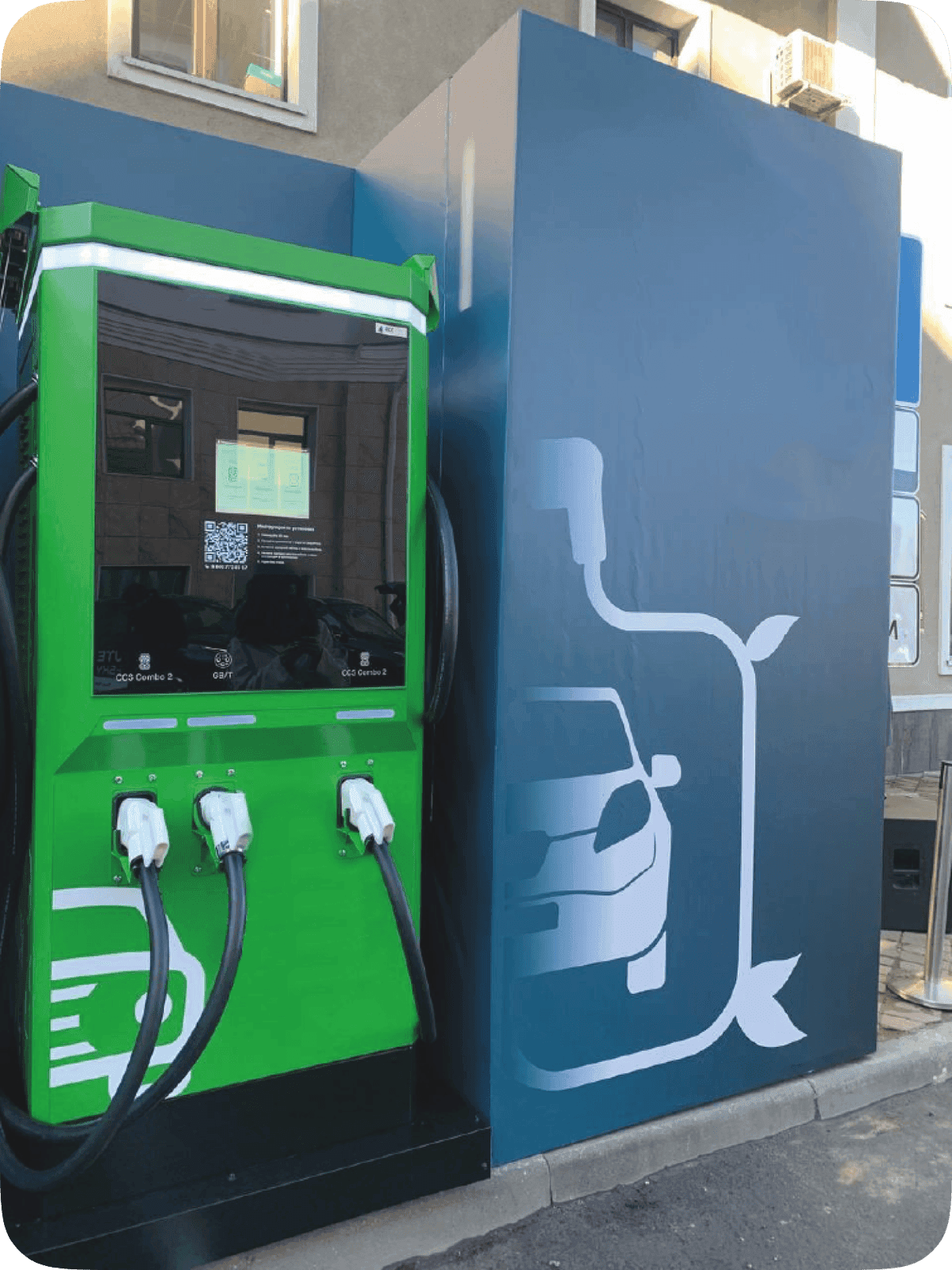
EV charging
Stations on the map, sessions booked, billed and tracked in the app.
Building management
Ventilation, heating, lifts and other systems monitored from one dashboard, with instant alerts.
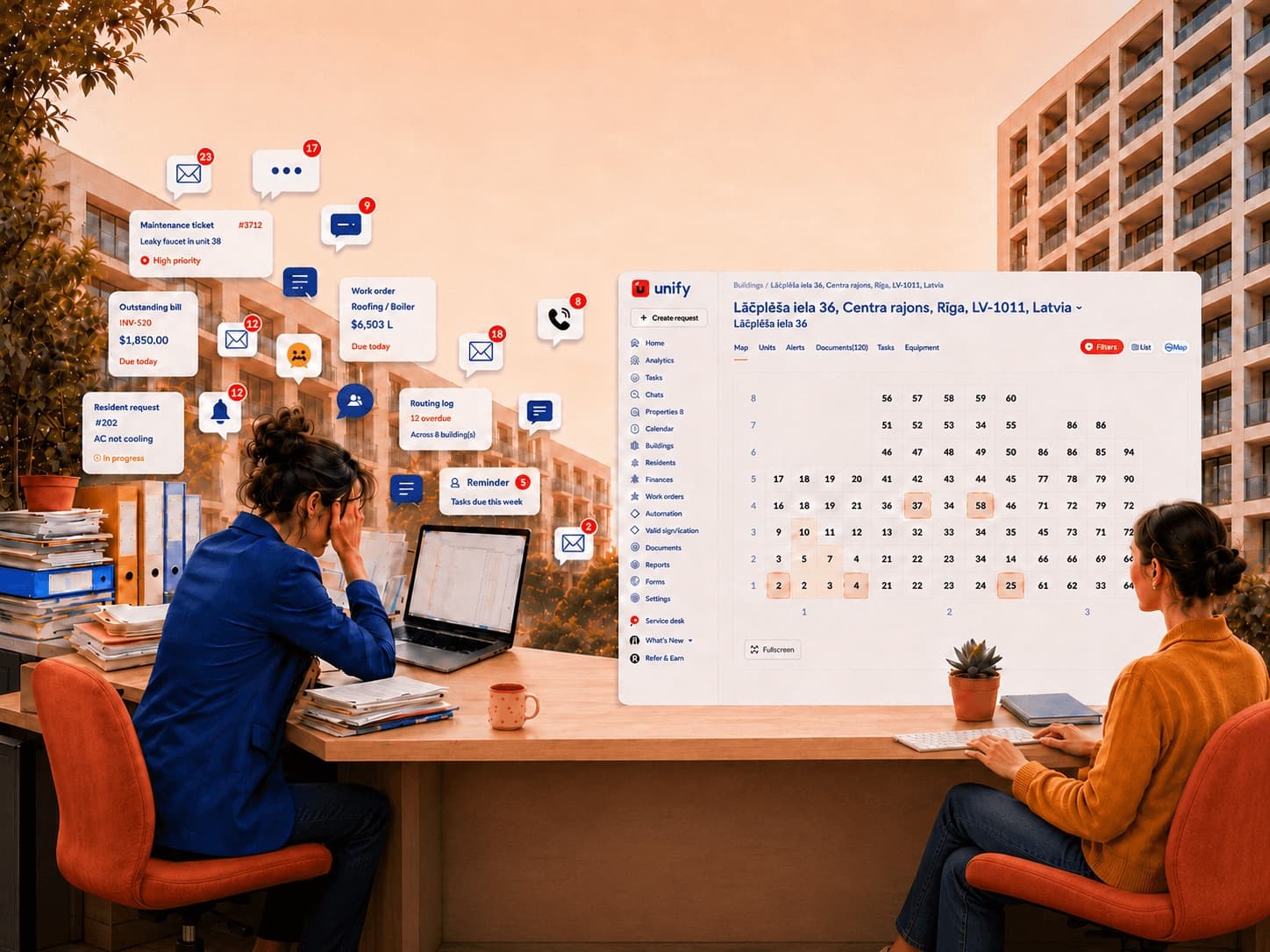
Devices, orchestrator, resident app
Devices
Intercoms, access control, cameras, meters, EV chargers and building systems, from any vendor.
Orchestrator
Unitify connects every device to one dashboard. New hardware plugs in as a mini app, nothing gets replaced.
Resident app
One app for doors, meters, intercom calls and charging. No fifth login to remember.
Questions developers and building managers ask
How should a developer approach smart-building technology in a new Serbian residential complex?
Treat it as one platform decision, not a shopping list of hardware: access control, video intercoms, dispatching and a resident app should hand over to the building's stambena zajednica already connected, on a company number, tax number and current account the community already has by operation of law.
What is a stambena zajednica, and does it have to be founded?
A Serbian housing community is not something owners have to found: it becomes a legal person at the moment two people own two separate units in the building.
Does Serbian law allow owners to vote electronically?
Serbian law expressly allows an owner to cast his vote in writing or by electronic means, and an owner who does so counts as present for the quorum. The law prescribes no particular method, platform or state system for an electronic vote.
How does a video intercom with phone unlocking work?
The call goes to the resident's phone through the app instead of a panel inside the apartment. The resident sees the visitor on camera and unlocks the door remotely.
What does a smart building cost a developer in Serbia, roughly?
It depends on which systems are included — access control, intercoms, dispatching, meters — and scales with unit count. Unitify's cost calculator breaks this down per building rather than quoting a flat industry number.
From the blog

Ready to make your next project smarter?
Unitify connects every building system into one platform and one resident app, for new developments and existing buildings alike.