
Amkhanagoba Management Software in Georgia
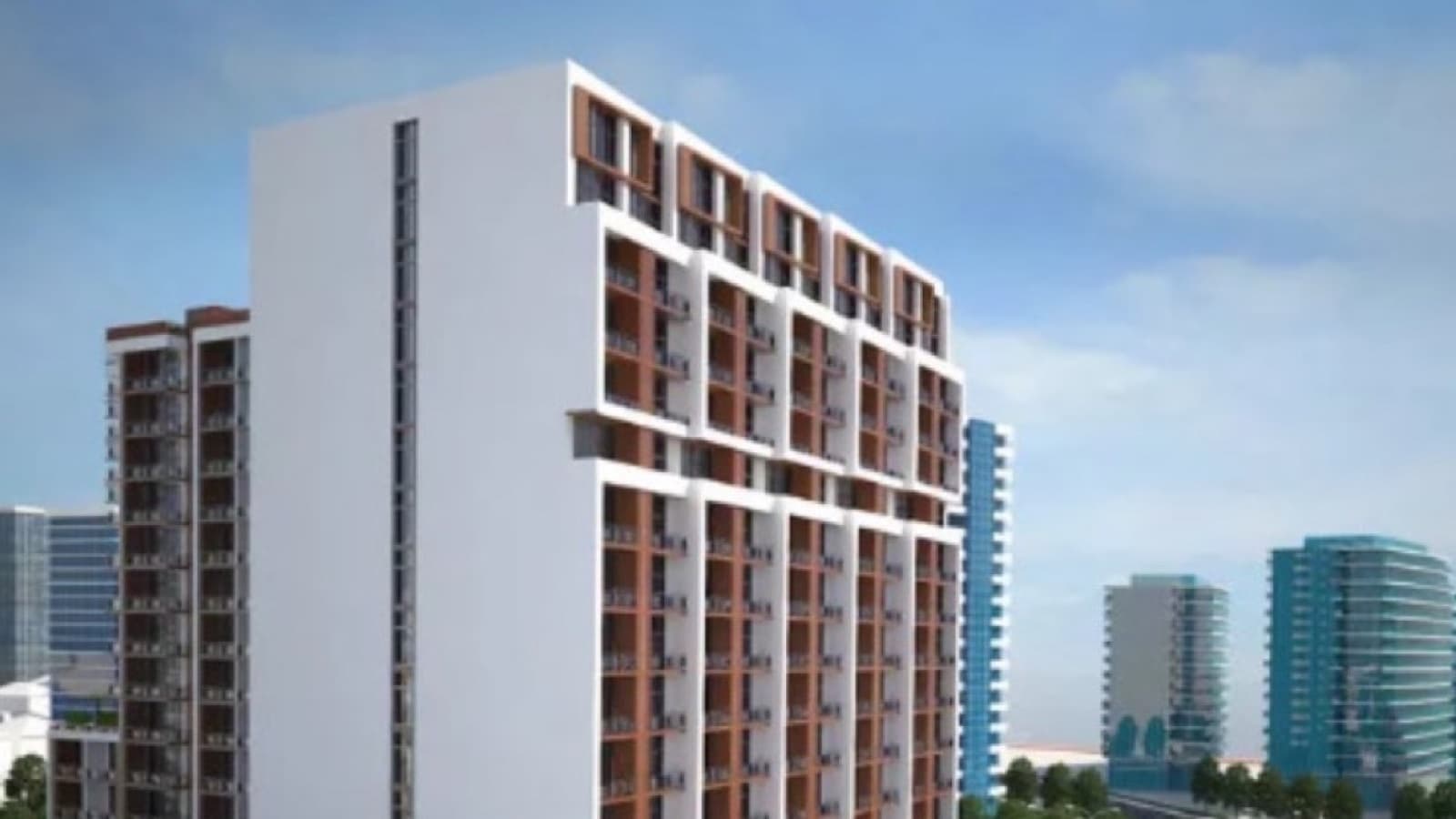
Unitify is software for managing a homeowners' association (amkhanagoba) in Georgia: the chairperson, a hired manager or a management company gets charges per apartment, requests and announcements in one cabinet, and residents get an app on iOS and Android. Start on the free plan: no card, no call, no cap on users or buildings. Below: what the software does, what it does not do and how it fits the law on homeowners' associations.
What amkhanagoba management software does
- Resident app. A resident sees their apartment's charges, sends a request, reads announcements and takes part in votes.
- Requests with a status. Every request has an address, an assignee and a status, so the manager sees what is closed and what is not.
- Charges by line. Per square metre, per apartment, per resident or as a fixed sum; each line shows up separately for the resident.
- Payment records. Payments are recorded per apartment, so the debt of each apartment is visible.
- Meter readings. Residents submit them from the app.
- Announcements. A news post is written once and appears in the resident app.
- Votes and polls. The manager creates a vote, residents answer from the app, participation is visible.
- Roles. Staff work in the web cabinet; the number of users is not capped on any plan.
What it does not do
- It is not accounting software: billing keeps charges and payments, and bookkeeping stays with you.
- It does not found or register an amkhanagoba: the law creates it, and Unitify helps with billing and communication from that point.
- It does not replace the meeting or the decision rules: quorum, majority and how the meeting is run come from the law and the charter, not from the software.
- It has no video conferencing of its own.
- It does not count TBC as an integration: that is a channel residents use themselves.
The amkhanagoba in law and what it means for software
Under the Law of Georgia on Homeowners' Associations (No. 5277, 2007), an amkhanagoba is deemed to exist in every multi-apartment building on a single land plot with more than two individually owned apartments, with no founding act and no registration. It is not a legal person, but it holds separate property, may have a bank account and signs contracts with third parties in its own name through its chairperson. Owners can run the building through an elected chairperson or elect a professional hired manager by a two-thirds vote of the members.
In practice the association can pick the software itself, not only a management company. In Georgian usage a "management company" often means short-term rental management; this page is about running a building. Terms, charter, chairperson and debt are explained in the amkhanagoba glossary (in Georgian), and the register question in There Is No Register of Amkhanagobas in Georgia.
Payment: what is integrated and what is not
Card payment runs through Flitt, which is integrated into billing and in production at Ande Tower in Batumi. Bank of Georgia's payment API is also integrated; check the rollout timing for Bank of Georgia with us. TBC is the channel Georgian residents already use for building fees, but it is not a connected Unitify integration. At Ande Tower, collectability rose from 40% to 80% in six months.
Price
Free plan: $0 per apartment per month, with unlimited users and properties. It covers the core features and one news post a month. Base is $0.5 per apartment per month and Pro is $1.5. Billing is an add-on: $0.5 per invoice, free on Pro. Video and intercom are $1 per apartment, only if you switch them on. These are the prices for Georgia; the latest are on Unitify for Georgia.
How to start
Start free with one building: no card and no call. For a full launch, send the building registry (apartments, owners and opening balances) as an Excel file or an export from your current system, and we set the building up with you. Residents then add their own apartment in the app and the manager confirms them.
See Unitify for Georgia or book a demo.
Source: Law of Georgia on Homeowners' Associations No. 5277-რს of 11.07.2007, matsne.gov.ge. Checked on 8 September 2026; check the current text before relying on it.
Frequently asked questions
What software does a homeowners' association (amkhanagoba) need?
Software that works for both sides: it helps the manager with charges, requests and announcements, and it gives each resident an app where they see their apartment's charges, send a request and pay. That is what Unitify is for: the amkhanagoba chairperson, a hired manager or a management company works in one web cabinet, and residents use the app.
Is there free software for managing an amkhanagoba?
Yes. Unitify's free plan has no card and no time limit, and the number of users and properties is not capped. It covers the core features and one news post a month for residents; AI features are not part of the free plan. Current prices are always on the pricing page.
Can an amkhanagoba sign a contract with the software provider itself?
Yes. An amkhanagoba is not a legal person, but under the Law of Georgia on Homeowners' Associations (No. 5277, 2007) it holds separate property, may have a bank account and signs contracts with third parties in its own name through its chairperson. So a platform can contract directly with the amkhanagoba, not only with a management company.
How do residents pay in Unitify?
Card payment runs through Flitt, which is integrated into billing and in production at Ande Tower in Batumi. Bank of Georgia's payment API is also integrated; check the rollout timing for Bank of Georgia with us. TBC is a channel residents already use, but it is not a connected Unitify integration.
Can owners vote in the app?
You can create a poll or a vote in the app: residents answer from the app and the manager sees participation. The software does not replace the amkhanagoba meeting or its decision rules: quorum, majority and how the meeting is run come from the law and the charter, not from the software. Unitify has no video conferencing of its own.
Does Unitify replace bookkeeping?
No. Billing keeps charges and payments per apartment, but it is not accounting. Bookkeeping stays with you or your accountant.