
A turnkey smart building platform for developers in Vietnam
Unitify connects access control, video intercoms, dispatching and a resident app into one platform for developers building chung cư in Ho Chi Minh City and beyond, and for the operating unit that runs the building afterward under its management board (Ban quản trị).
Built around Vietnam's Housing Law and its Quy chế
One platform built for Luật Nhà ở số 27/2023/QH15 (the Housing Law) and the Quy chế quản lý, sử dụng nhà chung cư issued with Thông tư 05/2024/TT-BXD — and the three organs they set up: Hội nghị nhà chung cư (the building conference), Ban quản trị (the management board) and đơn vị quản lý vận hành (the operating unit).
Payment methods already in use
No Vietnamese payment rail is a connected Unitify integration today — collection runs on the domestic rail, since Vietnam is not among the countries a Stripe business can be based in. Residents already pay through the national bank rail and the intermediary payment providers the State Bank of Vietnam licenses.
VietQR (NAPAS 247)
The QR form of NAPAS's national instant interbank transfer rail — account-to-account, real time, 24/7, across 68 member banks, with no wallet needed on the resident's phone — not a connected Unitify integration.
Bank transfer
A direct transfer to the building's own account at a bank operating in Vietnam, as the Housing Law requires for the maintenance fund and the board's own account — not a connected Unitify integration.
MoMo
Licensed by the State Bank of Vietnam as an intermediary payment service provider (the brand of M_Service) — a payment method residents already use, not a connected Unitify integration.
ZaloPay
Licensed by the State Bank of Vietnam as an intermediary payment service provider (the brand of ZION) — a payment method residents already use, not a connected Unitify integration.
VNPAY
Licensed by the State Bank of Vietnam as an intermediary payment service provider — a payment method residents already use, not a connected Unitify integration.
Built around the Housing Law and its Quy chế, verified against the primary source
Every claim below links to the primary-source citation it is verified against, not a summary.
The law, and its real effective date
Vietnam's Housing Law No. 27/2023/QH15 has been in force since 1 August 2024 — the date set by amending Law No. 43/2024/QH15, not the 1 January 2025 printed in the original text.
Art. 197(1), Luật Nhà ở số 27/2023/QH15, as amended by art. 2, Luật số 43/2024/QH15, Công báo, congbao.chinhphu.vn ↗The board threshold
A management board (Ban quản trị) is compulsory in a multi-owner building of 20 apartments or more; it has its own seal and bank account.
Art. 146, Luật Nhà ở số 27/2023/QH15, Công báo, congbao.chinhphu.vn ↗The lift rule
If the building has a lift, a qualified operating unit is mandatory; owners may not unbundle the work among separate suppliers.
Art. 149, Luật Nhà ở số 27/2023/QH15, Công báo, congbao.chinhphu.vn ↗The qualification gate
Every manager and employee directly involved in operations must have relevant professional qualifications and hold the apartment-operation training certificate, and the firm may only trade after a written eligibility notice from the authorities — Vietnam issues no management licence.
Art. 150, Luật Nhà ở số 27/2023/QH15; Danh sách đơn vị đủ điều kiện, moc.gov.vn ↗The 2% maintenance fund and its enforcement clock
Buyers pay a one-off maintenance fund of 2% of the unit's value into a dedicated account; after the board is recognised, the developer has 30 days to agree the reconciled figure, and a refusal runs to a coercive-recovery decision and, where a criminal offence is indicated, a referral to the investigating authority.
Arts. 152-154, Luật Nhà ở số 27/2023/QH15, Công báo, congbao.chinhphu.vn ↗The meeting reality
Building conferences are held in person; Vietnamese law allows an online or hybrid conference only where an epidemic or natural disaster makes meeting in person impossible. Votes are weighted by area — one square metre of privately owned area is one vote — while attendance is counted in people.
Art. 145, Luật Nhà ở số 27/2023/QH15; art. 18, Quy chế (Thông tư 05/2024/TT-BXD, hợp nhất tại Văn bản hợp nhất số 21/VBHN-BXD), Công báo, congbao.chinhphu.vn ↗The hardware layer, wired into your platform
Intercom, access, video, meters and EV charging connect through mini apps, alongside your requests and billing.
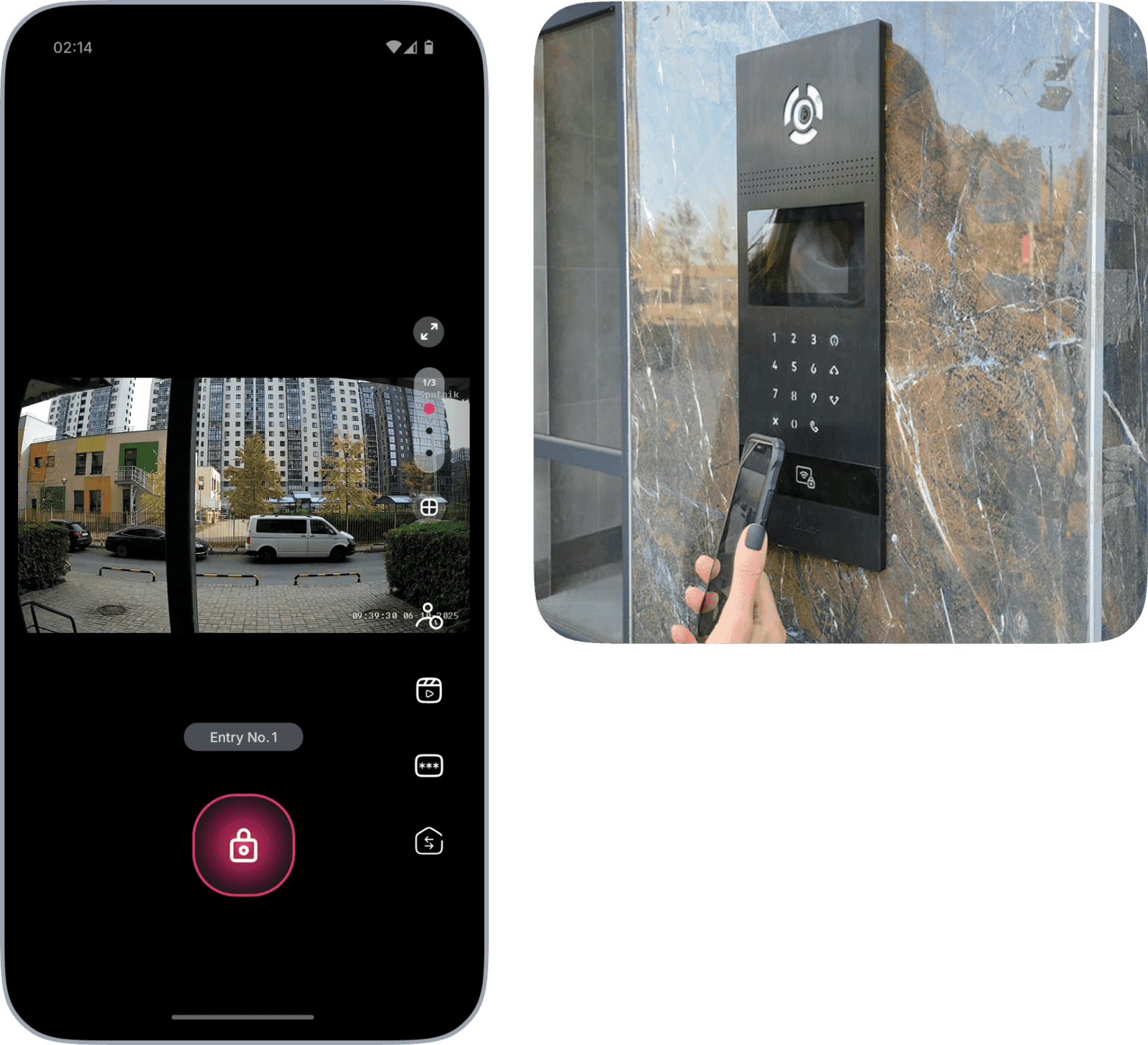
Digital intercom
Calls go straight to the resident’s phone. Entry by app, BLE tag or face.
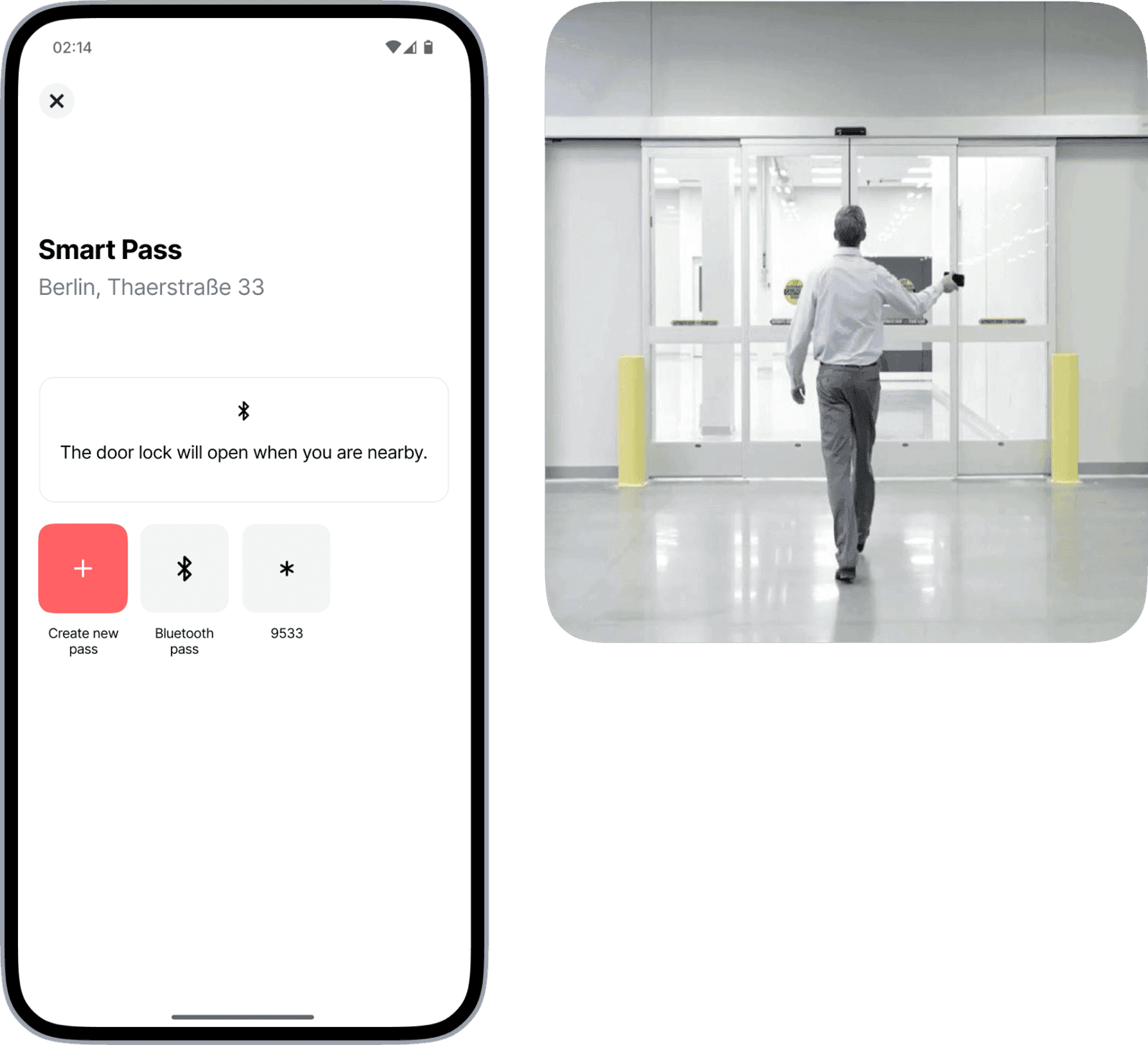
Access control
Contactless entry by phone or tag. Vehicle access by plate recognition.
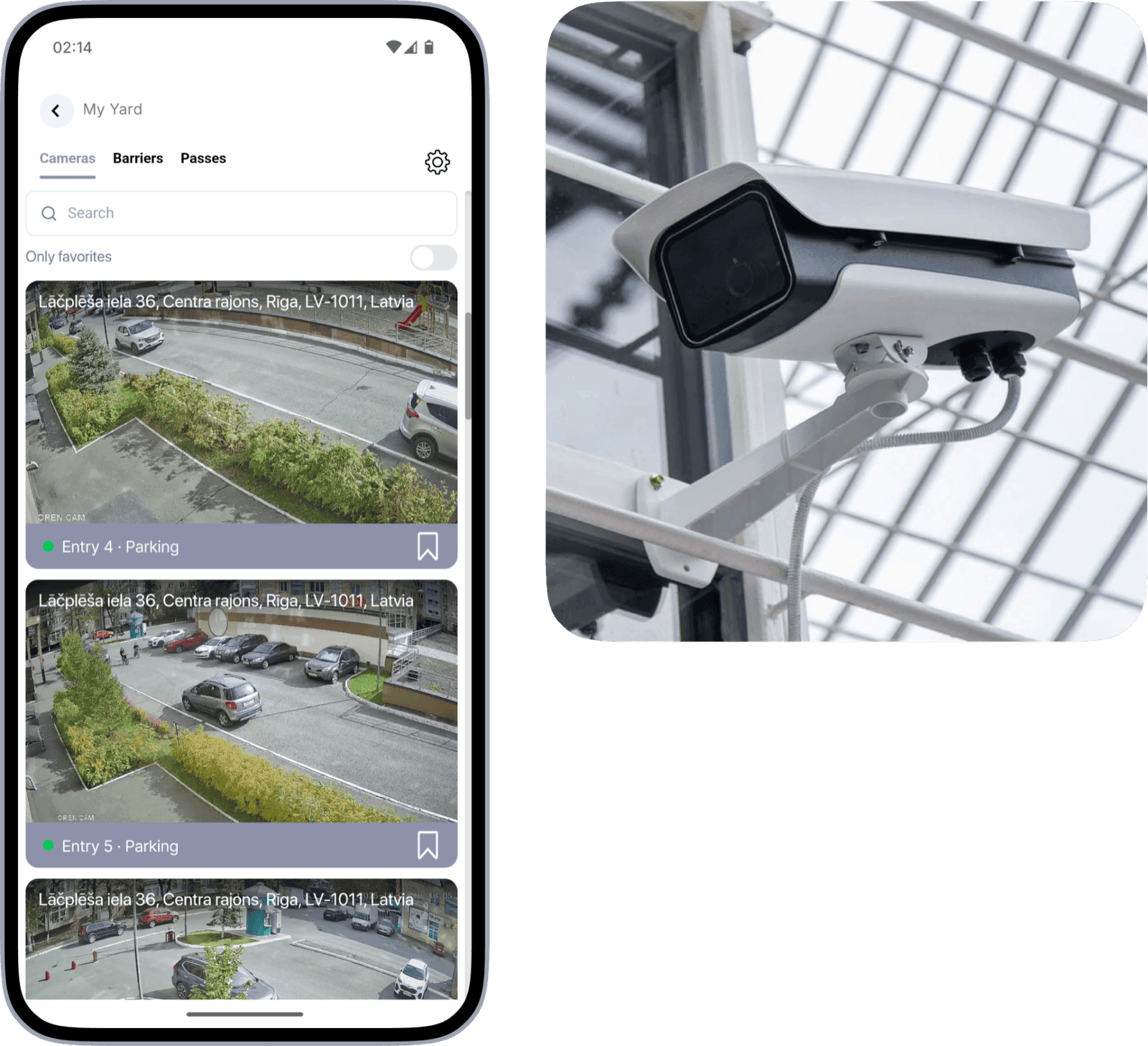
Video surveillance
Live cameras, digital archives and plate recognition at the gate.
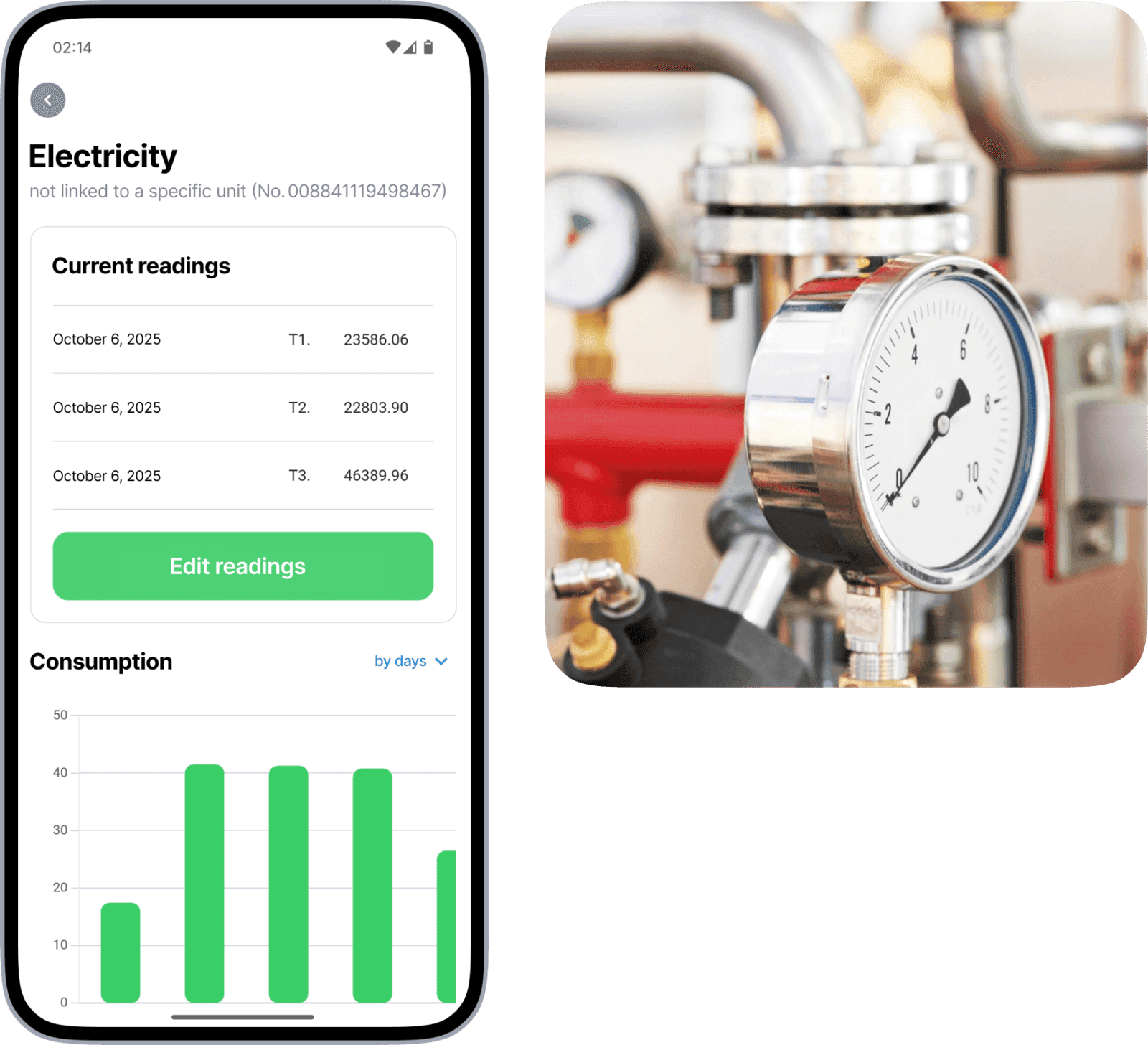
Meter telemetry
Electricity, water, gas and heat readings arrive automatically, no manual rounds.
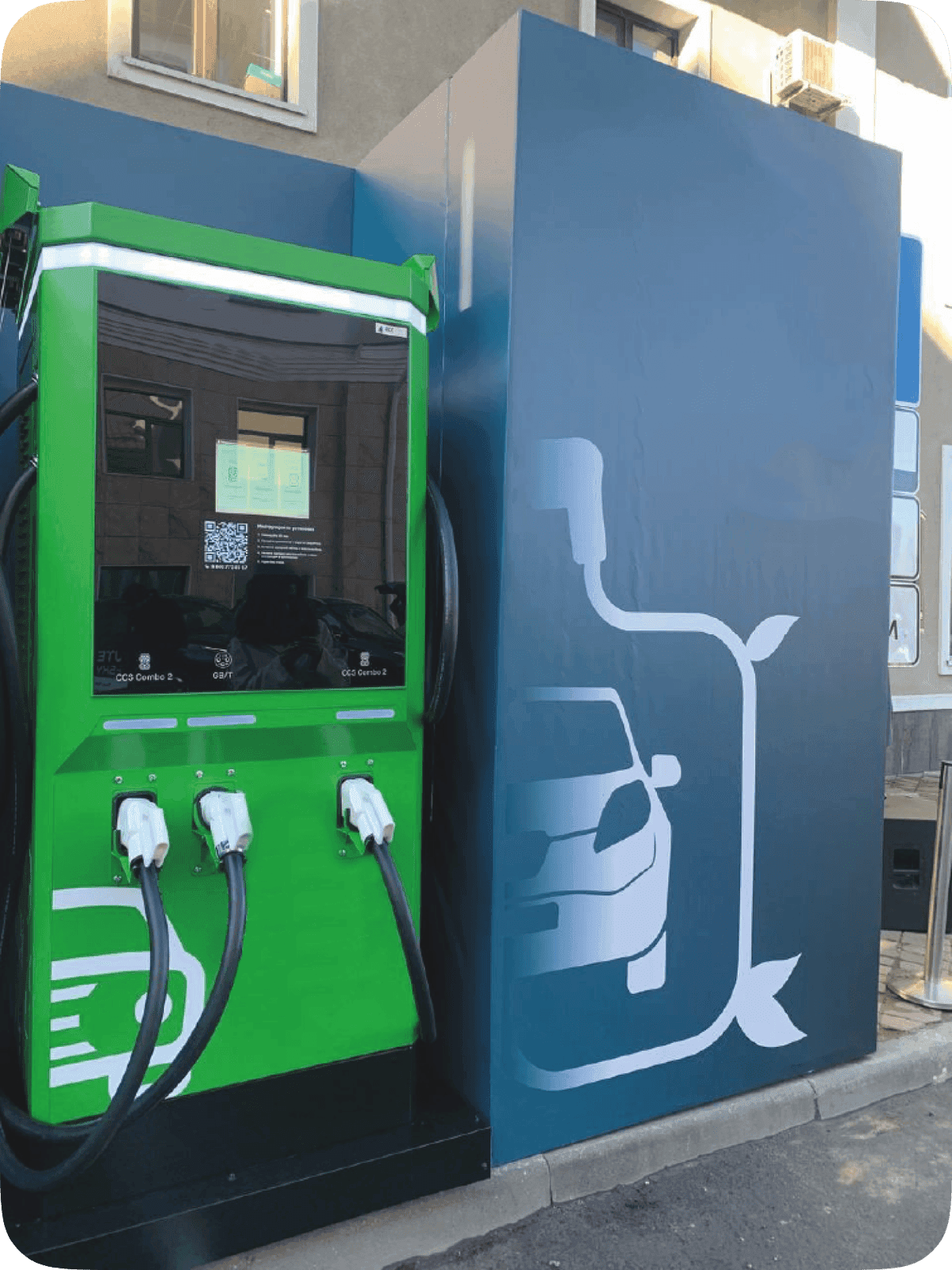
EV charging
Stations on the map, sessions booked, billed and tracked in the app.
Building management
Ventilation, heating, lifts and other systems monitored from one dashboard, with instant alerts.
Devices, orchestrator, resident app
Devices
Intercoms, access control, cameras, meters, EV chargers and building systems, from any vendor.
Orchestrator
Unitify connects every device to one dashboard. New hardware plugs in as a mini app, nothing gets replaced.
Resident app
One app for doors, meters, intercom calls and charging. No fifth login to remember.
Questions developers and operating units ask
How should a developer approach smart-building technology in Vietnam?
Treat it as one platform decision, not a shopping list of hardware: access control, video intercoms, dispatching and a resident app should hand over to the building's operating unit already connected. Where the building has a lift, the operating unit must be a qualified entity under art. 150 of the Housing Law, so the platform it runs on should be ready for that handover from day one.
Does an operating unit need a licence in Vietnam?
No. There is no licence (giấy phép). Managers and staff directly involved in operations must have relevant professional qualifications and hold a training certificate, and the firm may only trade after a written eligibility notice from the competent authority.
Does Vietnamese law let a building conference vote online?
Only where an epidemic or natural disaster makes an in-person meeting impossible. Votes are weighted by area — one square metre of privately owned area is one vote — while attendance is counted in people, not in floor area.
How does a video intercom with phone unlocking work?
The call goes to the resident's phone through the app instead of a panel inside the apartment. The resident sees the visitor on camera and unlocks the door remotely.
Does Unitify notify residents through Zalo?
Zalo — in the integration plan: it reaches residents by phone number through an Official Account, with every message template approved by Zalo before it can be sent.
What does a smart building cost a developer in Vietnam, roughly?
It depends on which systems are included — access control, intercoms, dispatching, meters — and scales with unit count. Unitify's cost calculator breaks this down per building rather than quoting a flat industry number.
From the blog
Ready to make your next project smarter?
Unitify connects every building system into one platform and one resident app, for new developments and existing buildings alike.