
What a System for a Brazilian Administradora de Condomínios Actually Needs to Do
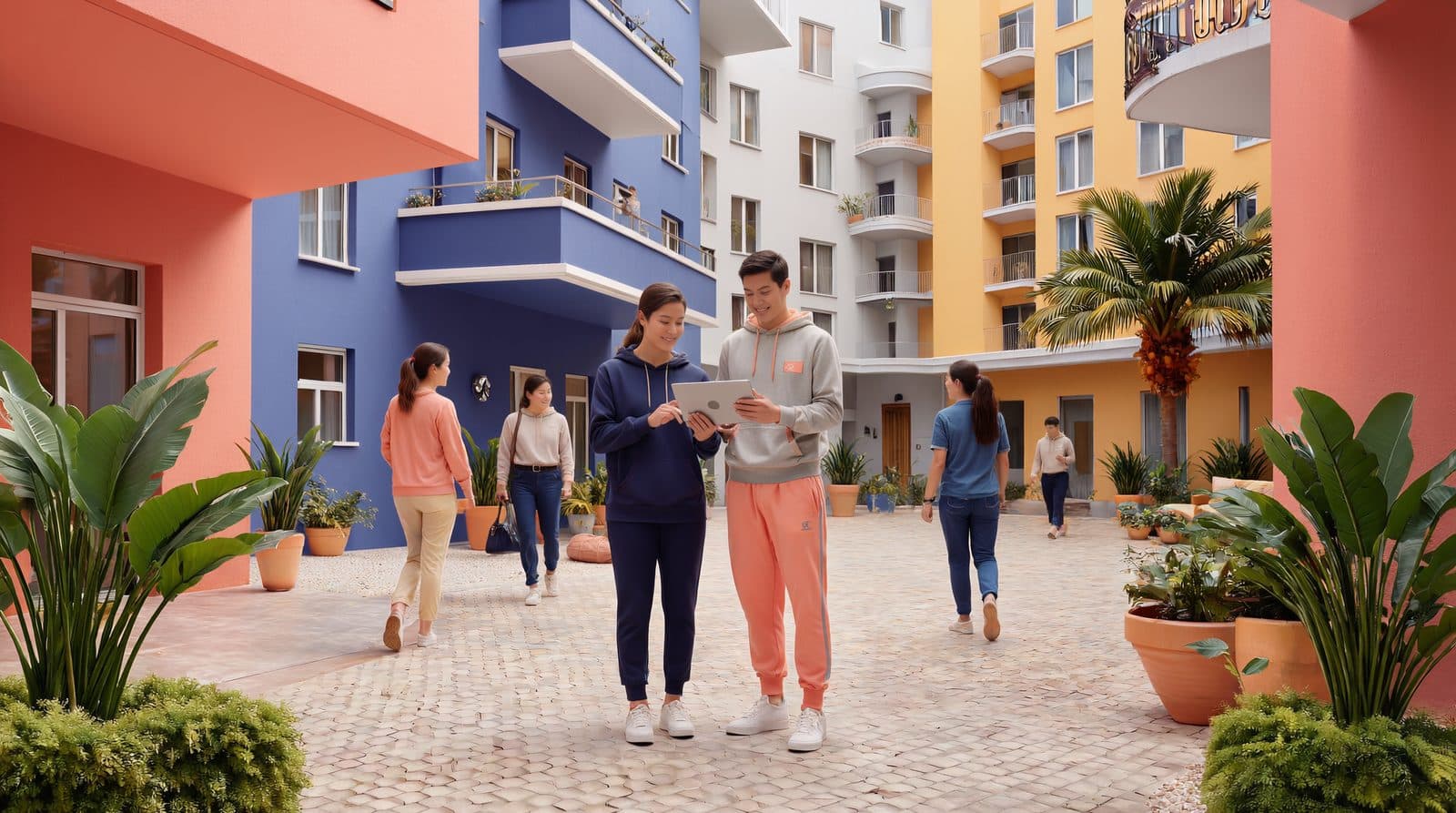
An administradora de condomínios, a management company, rarely runs one building. It runs a portfolio: a dozen condomínios, each with its own síndico, its own rules, its own delinquency problems. That is the search behind "sistema para administradora de condomínios," and it is a different question from "software for a condomínio." The buyer is the company, not the building, and the system needs to be built for that.
The problem with one tool per building
The most common failure mode is not having no system. It is having a different one, or a different spreadsheet, for every building in the portfolio. Every month, someone on the administradora's team reconciles seven different Excel files, follows up on seven different delinquency lists, and rebuilds the same report seven times in seven slightly different formats before it goes to seven síndicos. None of that work compounds; it just repeats.
What one platform across a portfolio actually needs
Billing per unit, per building, in one place. Each condomínio keeps its own rateio rules, cost per square meter, per unit, or a flat taxa condominial, but the administradora's team works from a single dashboard that shows every building's charges and payments side by side, instead of logging into a different account for each one.
Boleto and payment status without chasing. A resident should get a boleto with a QR code and be able to pay in the app; the administradora should see, at a glance, who paid and who did not, across the whole portfolio, not building by building.
Inadimplência tracked as a process, not a spreadsheet. Delinquency (inadimplência) is the single largest source of margin loss for an administradora. A system that reminds residents before the due date, flags an account the moment it goes overdue, and shows the síndico exactly where collection stands turns a monthly fire drill into something that runs itself. This is the same thesis behind Unitify's billing module, Easybilly: collectability is the value the billing system is actually selling, not the invoice itself.
A resident app that does not depend on the building. Residents across every condomínio in the portfolio should be able to open requests, see their bill and check on a maintenance ticket in the same app, regardless of which building they live in. That means the administradora is not managing ten different resident-facing tools alongside the ten buildings.
Reports each síndico can actually use. Every condomínio's síndico needs a report for the assembleia: income, expenses, delinquency, work completed. A system built for the portfolio generates that report per building automatically, instead of someone on the administradora's team assembling it by hand every time one comes due.
The real advantage of consolidation
None of this is about adding features. It is about the fact that a portfolio of ten condomínios run on ten separate systems costs an administradora ten times the operational overhead of ten condomínios run on one. The buildings do not get simpler when a company scales; the tooling has to.
If your team is still reconciling separate files for every building in the portfolio, book a demo to see how one platform runs billing, requests and reporting across an entire portfolio of condomínios at once.
Frequently asked questions
What does administradora de condomínios mean?
An administradora de condomínios is a management company that runs the day-to-day operations of a condomínio on behalf of its síndico and owners: billing, maintenance requests, contractor coordination and financial reporting.
Why does a portfolio need one platform instead of separate tools?
Because the administradora, not any single building, is the buyer. A separate spreadsheet or app per condomínio means every report, reminder and reconciliation is rebuilt by hand for each one instead of running the same way across the whole portfolio.
What should billing look like across many condomínios?
Each building keeps its own rules: rateio, taxa condominial per unit, opening balances, while the administradora sees every boleto, payment and pending charge from one dashboard instead of switching between accounts.
How does a system help each síndico?
By giving every síndico their own view: their building's charges, payments, requests and a report they can hand to the assembleia, without asking the administradora to pull it together manually.