
One platform for property management (Hausverwaltung) and smart building operations in Austria
Unitify connects video intercoms, access control, cameras, meter readings and a resident app into one system, and keeps the building documentation a Vienna Bauwerksbuch (building logbook) needs in order as it goes, rather than reconstructed under deadline pressure. Anything that exposes an API or SIP interface is connected under the project: intercoms, access controllers, barriers with plate recognition, lift access, cameras, meters and smart-home devices in apartments.
Built for how an Austrian property manager (Hausverwaltung) actually runs a building
One platform built for how a property manager (Hausverwaltung) actually runs a building in Austria.
Built around Vienna's building code, verified against the primary source
Each item links to the primary source, not a summary.
Bauwerksbuch (building logbook) obligation (Section 128a Bauordnung für Wien)
Vienna’s building code requires a Bauwerksbuch, prepared by an independent qualified party, before the completion notice is filed for new buildings, additions and conversions (Section 128a(2)). It must be kept in electronic form on an ongoing basis — by the owner, or by the Hausverwaltung (property manager) if one is appointed — and made available to the authority for inspection on request (Section 128a(5)). Existing buildings have staggered deadlines, and those Bauwerksbücher must be registered in the City of Vienna’s Bauwerksbuch database since 1 July 2024 (Sections 128a(3), 128c). The law names three exemptions: Kleingartenhäuser and Kleingartenwohnhäuser (garden houses) and buildings with a built-up area of 50 square meters or less. This is a Vienna city building-code provision, not a nationwide Austrian law: it applies within the city and does not extend automatically to other Austrian states.
Section 128a Bauordnung für Wien, ris.bka.gv.at ↗Transition deadlines for existing Vienna buildings
Buildings erected before 1 January 1919 must have a registered Bauwerksbuch by 31 December 2027; buildings from 1 January 1919 to 1 January 1945 by 31 December 2030. For buildings erected after 1 January 1945, Section 128a(3) sets no first-time deadline; an obligation can still arise from a later addition or conversion (Section 128a(2)) or from an authority order in a justified individual case.
Section 128a Bauordnung für Wien, ris.bka.gv.at ↗The hardware layer, wired into your platform
Intercom, access, video, meters and EV charging connect through mini apps, alongside your requests and your existing accounting software.
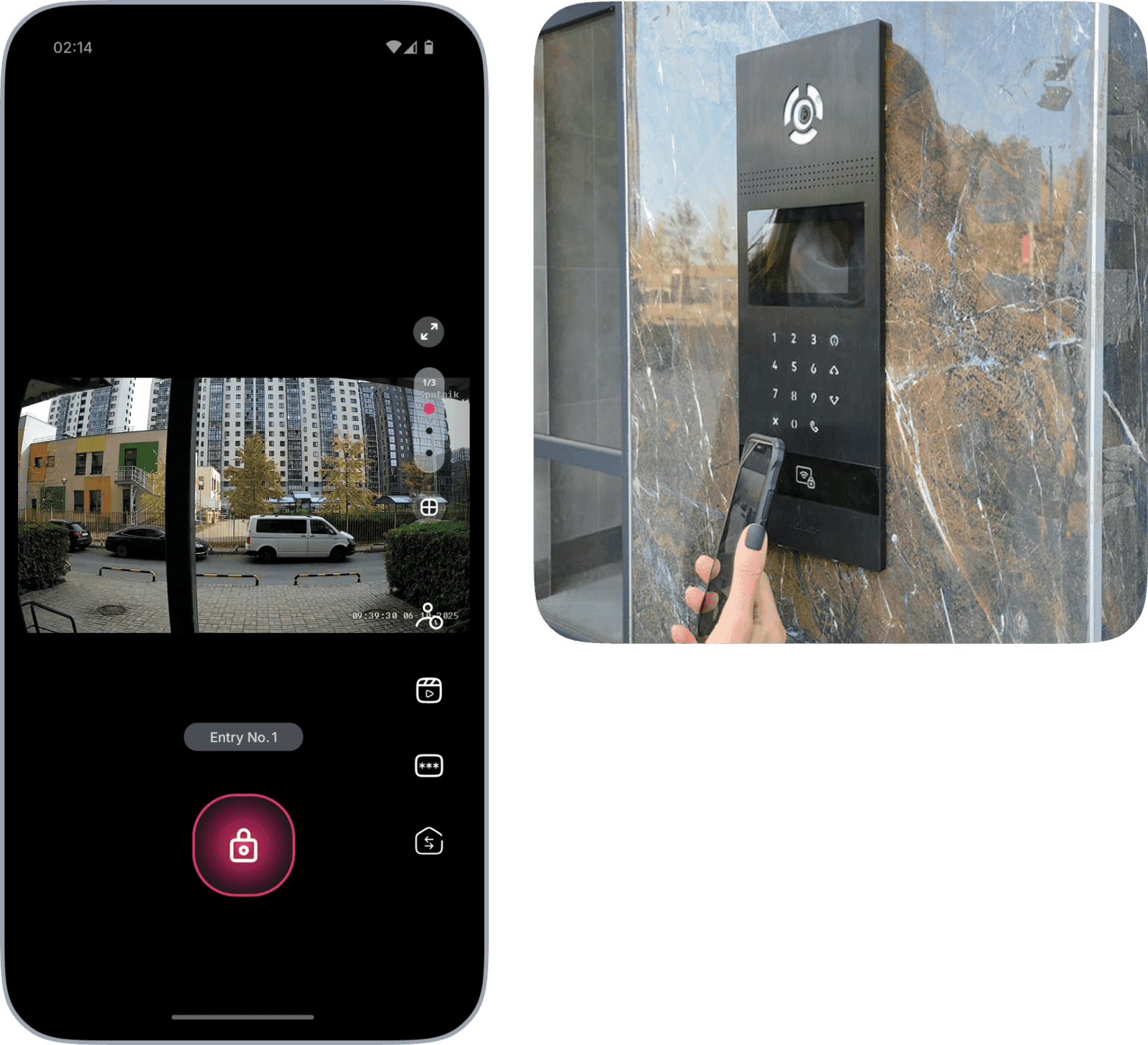
Digital intercom
Calls go straight to the resident’s phone. Entry by app, BLE tag or face.
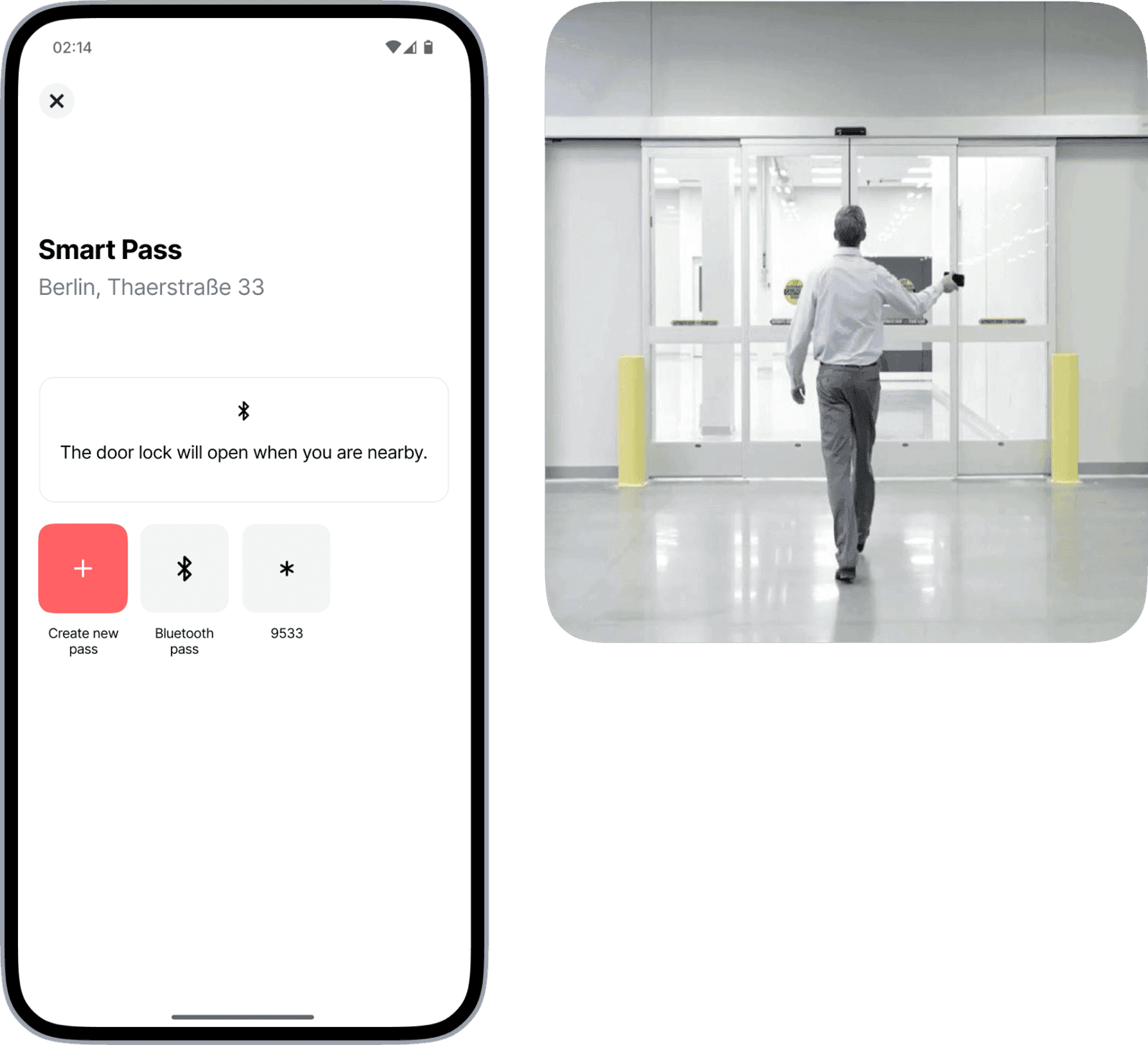
Access control
Contactless entry by phone or tag. Vehicle access by plate recognition.
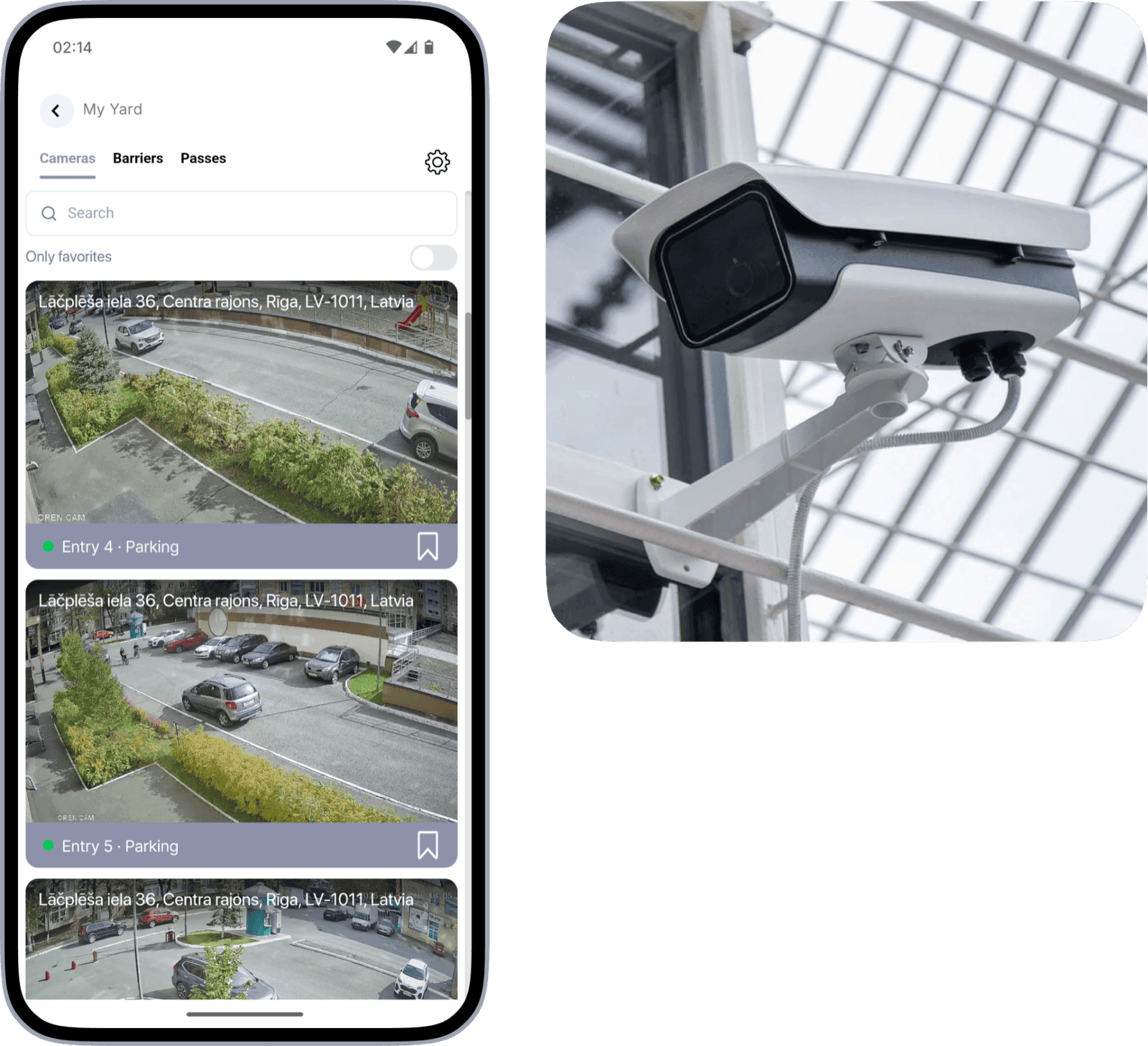
Video surveillance
Live cameras, digital archives and plate recognition at the gate.
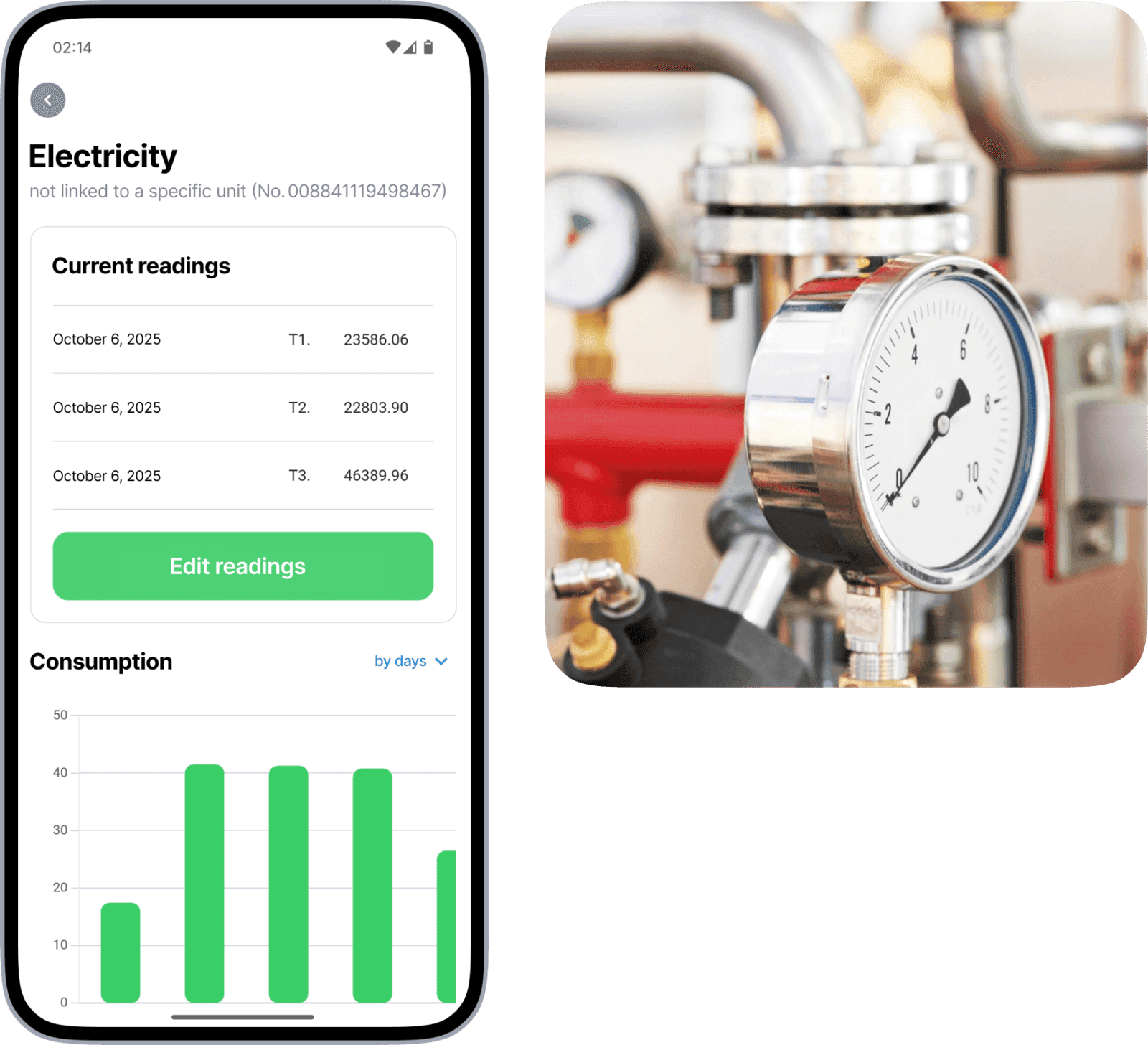
Meter telemetry
Readings come from residents in the app, from a file or over the API from your metering system. Smart meters that expose an interface are connected under the project.
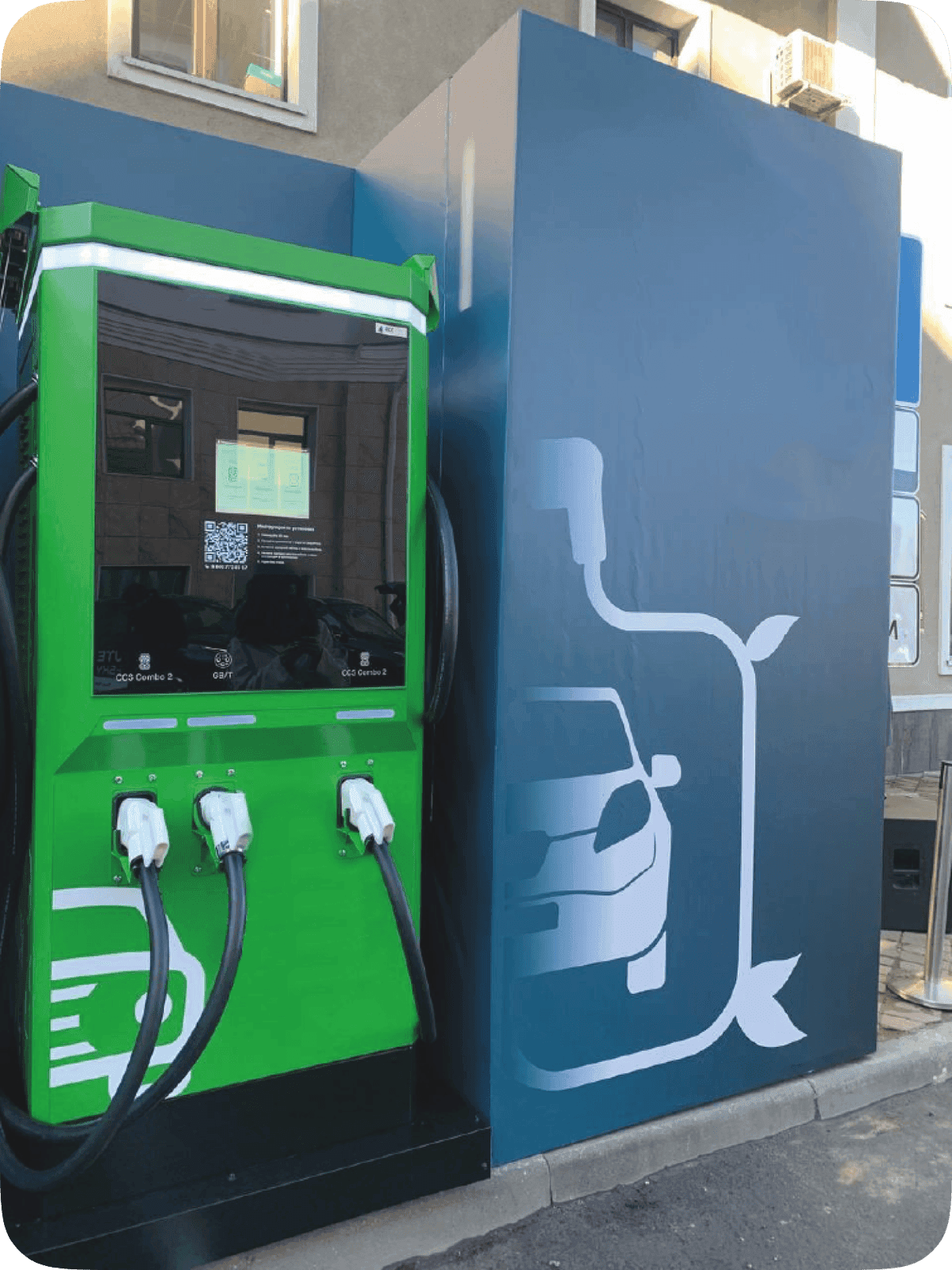
EV charging
Stations on the map, sessions booked, billed and tracked in the app.
Building management
Ventilation, heating, lifts and other systems monitored from one dashboard, with instant alerts.
Devices, orchestrator, resident app
Devices
Intercoms, access control, cameras, meters, EV chargers and building systems, from any vendor.
Orchestrator
Unitify connects every device to one dashboard. New hardware plugs in as a mini app, nothing gets replaced.
Resident app
One app for doors, meters, intercom calls and charging. No fifth login to remember.
Questions Austrian property managers (Hausverwaltungen) ask
What is a Bauwerksbuch (building logbook)?
An ongoing electronic record of a building’s structural condition and maintenance history, required under Vienna building law so the city and the owners have a current picture of the building’s state rather than reconstructing it from paper files when something needs checking.
Is a virtual owners’ assembly (Eigentümerversammlung) permitted?
Under the WEG 2002 (Austria's condominium act), an Eigentümergemeinschaft (owners' community) can pass resolutions in writing (Umlaufbeschluss) without a physical assembly if the required majority agrees in that form; whether a fully virtual assembly format is available follows the community’s own rules and the appointed manager’s (Verwalter) process, not a single blanket provision comparable to Germany’s 2024 virtual-assembly rule.
Which buildings are subject to the Bauwerksbuch requirement?
New buildings, additions and conversions within Vienna, before the completion notice is filed, under Section 128a(2) Bauordnung für Wien. Existing buildings fall under the duty in Section 128a(3), with staggered deadlines. The law exempts Kleingartenhäuser, Kleingartenwohnhäuser and buildings with a built-up area of 50 square meters or less. It is a Vienna city rule, not automatically applicable in other Austrian states.
By when must a Bauwerksbuch be created for older buildings in Vienna?
Buildings from before 1 January 1919 by 31 December 2027, and buildings from 1 January 1919 to 1 January 1945 by 31 December 2030, registered electronically in the city’s Bauwerksbuch database.
What is an Eigentümergemeinschaft (owners' community) under the WEG 2002?
The community formed automatically among the owners of a building once more than one unit exists, which decides on shared matters and appoints a Hausverwaltung (property manager) to run day to day operations on its behalf.
Can you connect the intercom or access hardware we already have?
Usually yes. If the panel, controller, camera or meter exposes an integration interface (an API, SIP, ONVIF or a Modbus or M-Bus gateway), we connect it to the resident app under the project. Barriers with plate recognition, lift access and in-apartment smart home are handled the same way, as project work. Hardware with no interface cannot be connected, and we check the exact model before you commit.
From the blog


Ready to make your next project smarter?
Unitify connects every building system into one platform and one resident app, for new developments and existing buildings alike.