
A turnkey smart building platform for developers in Florida
Unitify connects access control, video intercoms, dispatching and a resident app into one platform for developers building new condominium and HOA communities of three habitable stories or more, and for the community association manager who runs the building afterward.
Built around Florida's condominium and HOA statutes
One platform built for the HOA, condo association or co-op and the community association manager (CAM) who runs it for the board — the assessment, the reserve study, the milestone inspection and Florida's structural integrity reserve study (SIRS) are all written into the statute, not optional extras.
Payment rails already in use
Card and ACH bank debit run through Unitify's integrated Stripe acquiring, which fully supports US businesses. ACH settles in up to four business days and is not a guaranteed payment method, so the ledger follows a payment through submission, settlement and return rather than marking it paid on click.
Stripe
Card and ACH bank debit payments processed through Unitify's Stripe integration.
Florida is where the rules bite hardest — the calendar below is Florida's
Every claim below links to the primary-source citation it is verified against, not a summary. There is no federal law of community associations — every item below is a Florida statute, not a nationwide rule.
The Florida safety mandate
Florida requires a milestone structural inspection of any condominium or cooperative building of three habitable stories or more by 31 December of the year it turns 30, and every ten years after that. A local building department may require the first inspection at 25 years where local conditions such as proximity to salt water warrant it.
Fla. Stat. § 553.899, The 2026 Florida Statutes, leg.state.fl.us ↗The reserve rule
Each residential condominium building of three habitable stories or higher also needs a structural integrity reserve study at least every ten years, covering the roof, structure, fire protection, plumbing, electrical, waterproofing and exterior painting, and windows and doors. For budgets adopted on or after 31 December 2024, owners can no longer vote to waive or reduce reserves for those items, and the reserve amount has to follow the study's own recommendation.
Fla. Stat. § 718.112(2)(g), The 2026 Florida Statutes, leg.state.fl.us ↗The clocks
Florida writes the paperwork into the statute: 14 days to tell owners an inspection is required, 45 days to put the inspector's summary and the reserve study in every owner's hands, 14 days' notice with a filed affidavit for a special-assessment meeting, and a 60/40/35/14-day board-election calendar.
Fla. Stat. §§ 553.899(5), 553.899(9), 718.112(2)(c)-(d), 718.112(2)(g)11, The 2026 Florida Statutes, leg.state.fl.us ↗Licensing
In Florida, both the community association manager and the management firm hold a license from the Department of Business and Professional Regulation once the association has more than 10 units or a budget over $100,000, and the licensed activity is defined by statute as a list of specific tasks: controlling association funds, preparing budgets, calculating amounts due, calculating quorum and vote thresholds, determining statutory notice periods, and preparing certificates of assessment and estoppel certificates.
Fla. Stat. §§ 468.431-468.432, The 2026 Florida Statutes, leg.state.fl.us ↗Electronic voting, state by state
The US is four different regimes, not one. Florida condominium law specifies what an online voting system must do. It has to authenticate the owner, protect the vote in transit, send a receipt, and permanently separate identity from ballot in board elections. Texas counts an electronic ballot — by e-mail, fax or a posting on a website — as an owner present for quorum on the items on that ballot, provided the owner's identity can be confirmed and a receipt is available. California allows an electronic secret ballot, run through an independent inspector of elections, since 1 January 2025 — but never for a vote on regular or special assessments. After the declarant period ends, Arizona associations must offer in-person and absentee voting and may additionally accept ballots delivered by e-mail or fax — Arizona does not name an internet-based voting system.
Fla. Stat. § 718.128; Tex. Prop. Code § 209.00592; Cal. Civ. Code §§ 5105, 5110; A.R.S. § 33-1250 ↗Digital billing, with its condition
Florida lets an association deliver the assessment invoice and the account statement by e-mail to the address in its records — but moving an owner from paper to e-mail takes 30 days' mailed notice and the owner's own acknowledgment, per owner, on the record.
Fla. Stat. § 718.121(4), The 2026 Florida Statutes, leg.state.fl.us ↗The hardware layer, wired into your platform
Intercom, access, video, meters and EV charging connect through mini apps, alongside your requests and billing.
Digital intercom
Calls go straight to the resident’s phone. Entry by app, BLE tag or face.
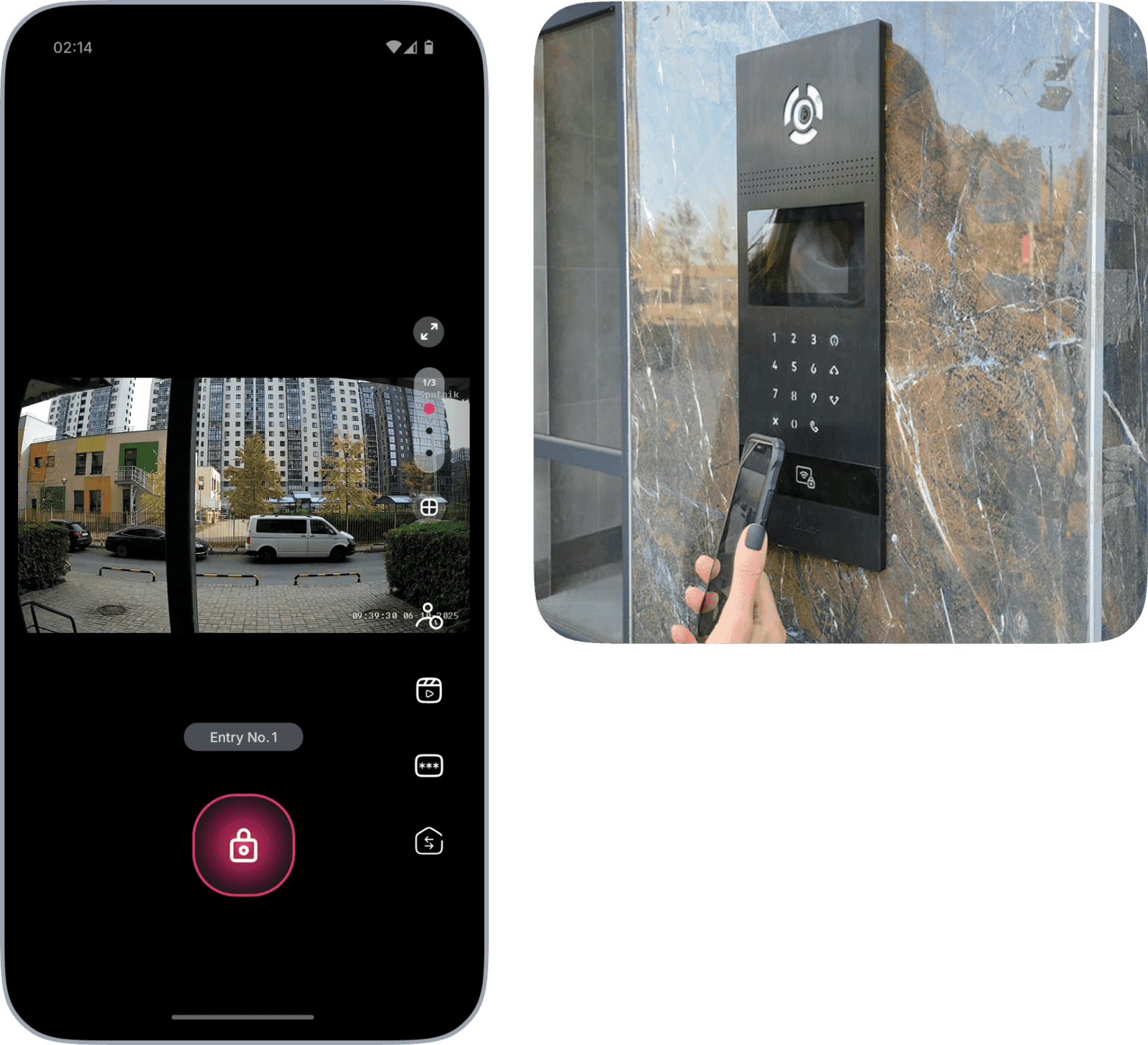
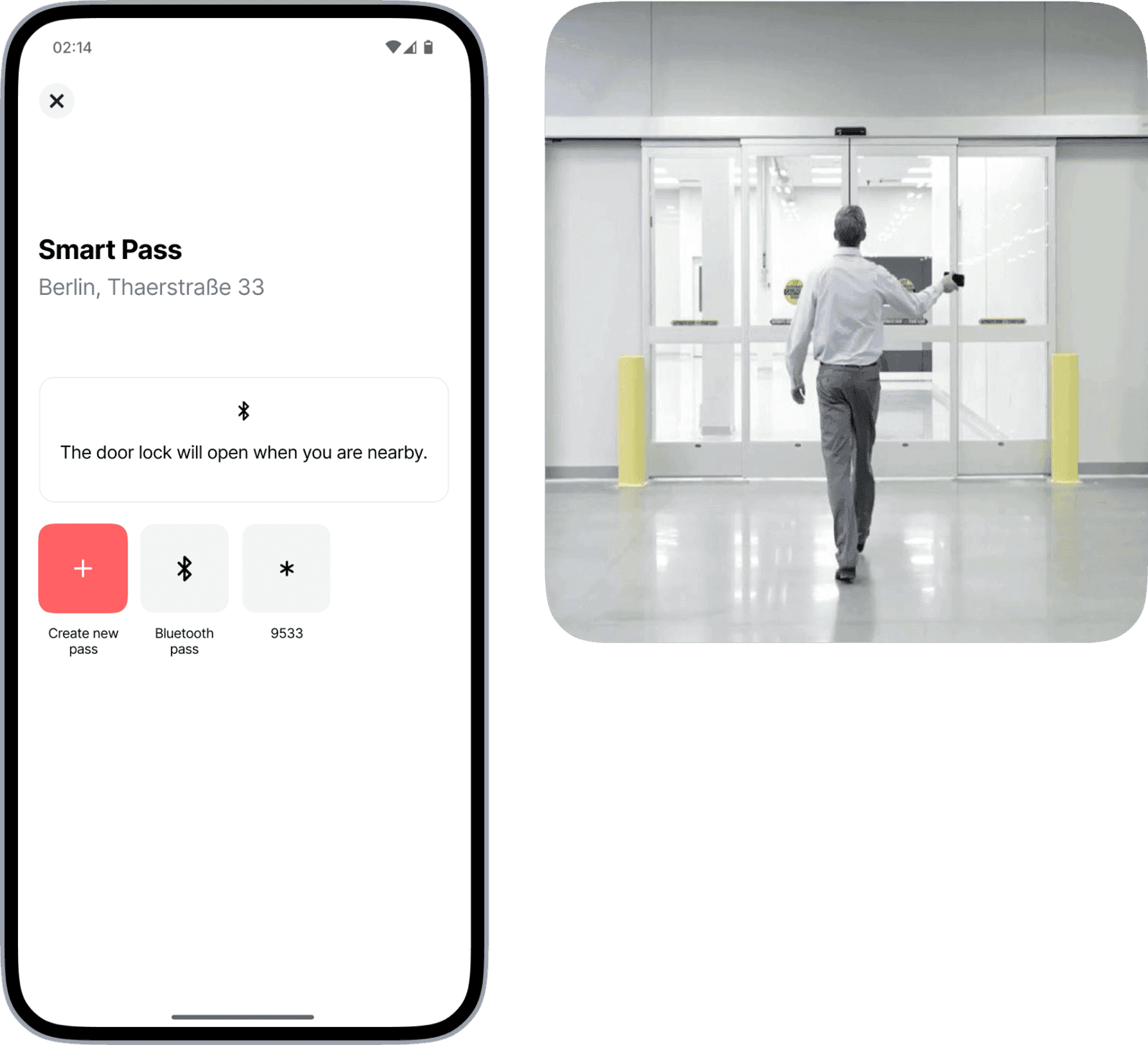
Access control
Contactless entry by phone or tag. Vehicle access by plate recognition.
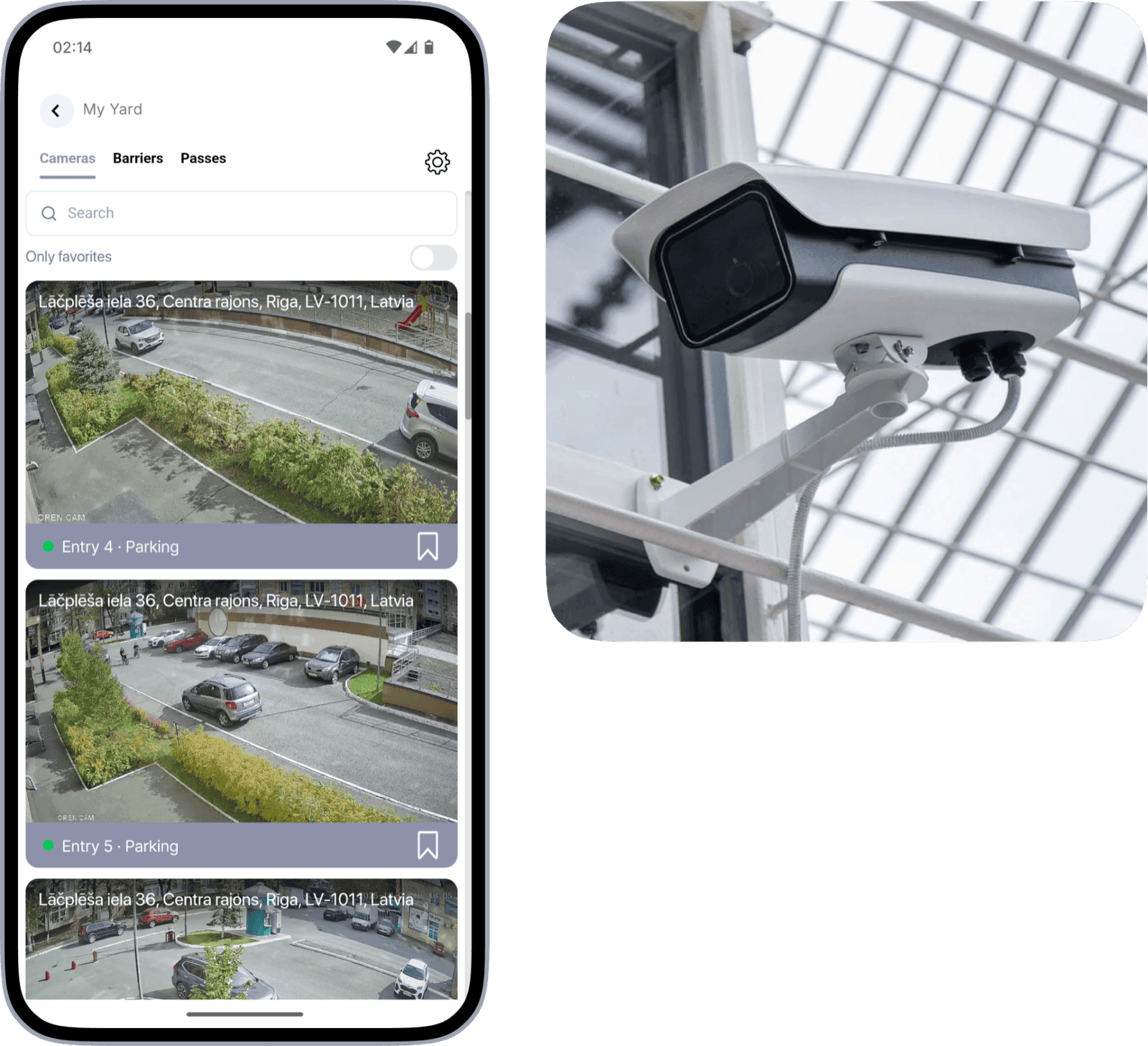
Video surveillance
Live cameras, digital archives and plate recognition at the gate.
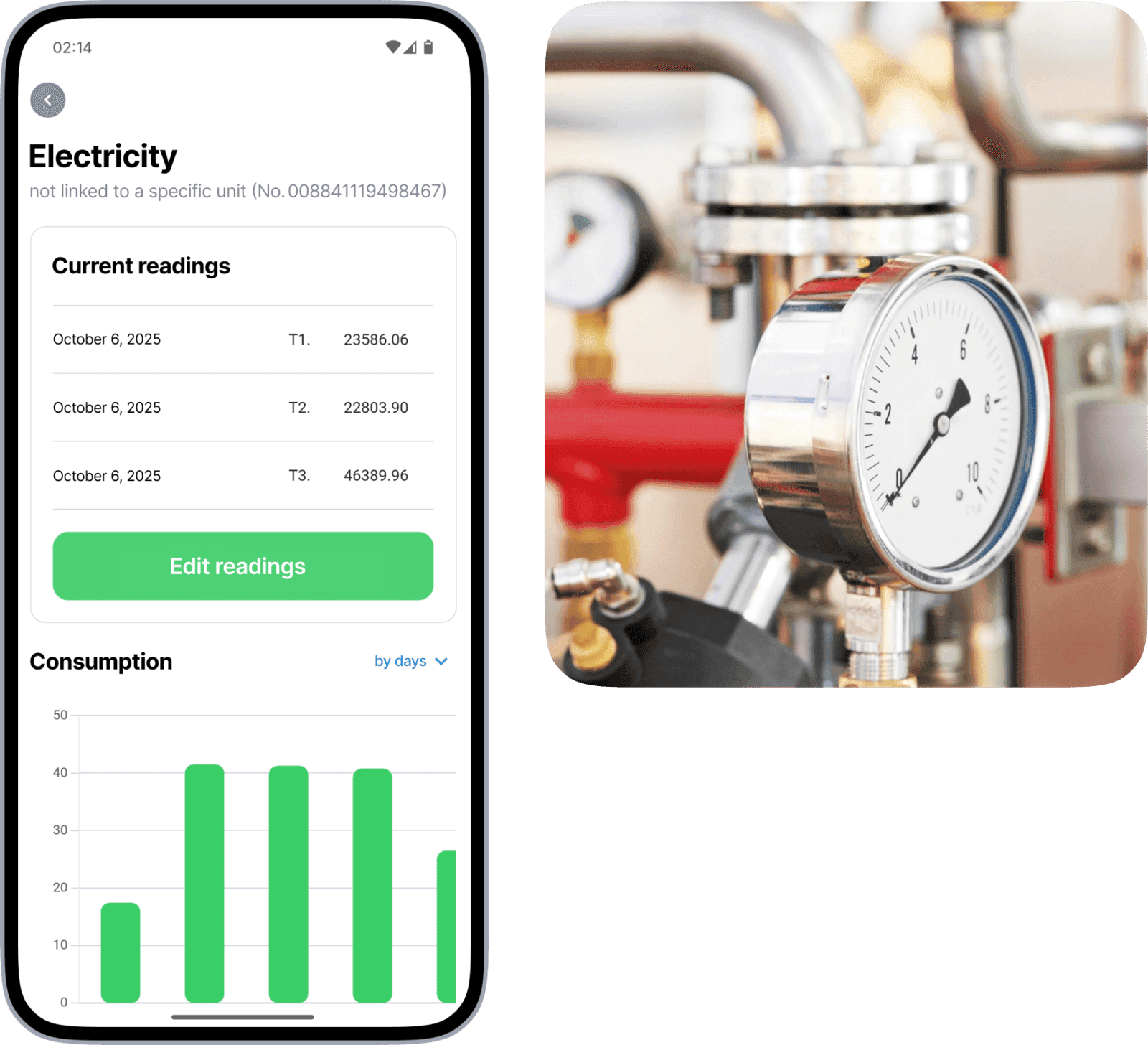
Meter telemetry
Electricity, water, gas and heat readings arrive automatically, no manual rounds.
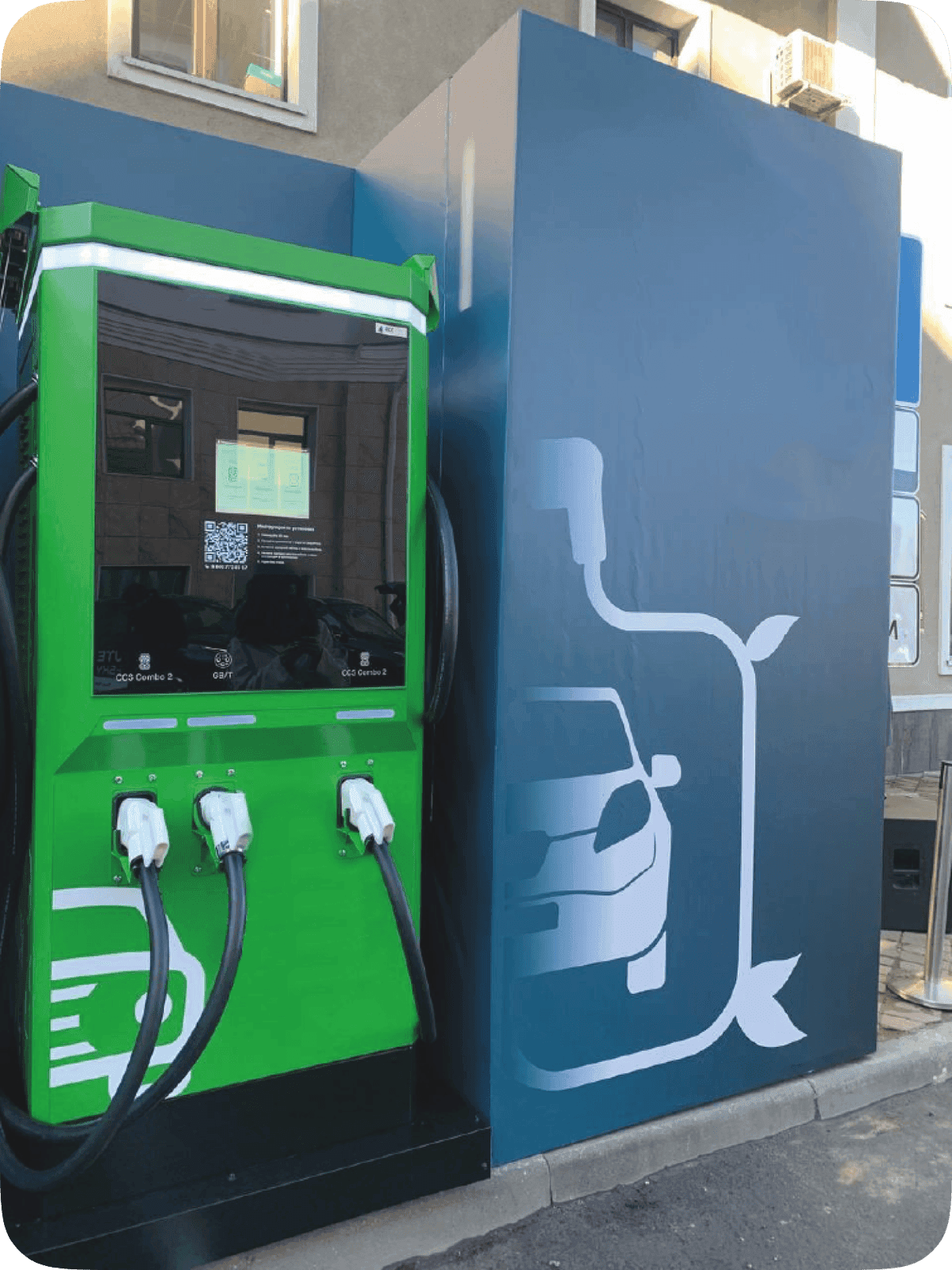
EV charging
Stations on the map, sessions booked, billed and tracked in the app.
Building management
Ventilation, heating, lifts and other systems monitored from one dashboard, with instant alerts.
Devices, orchestrator, resident app
Devices
Intercoms, access control, cameras, meters, EV chargers and building systems, from any vendor.
Orchestrator
Unitify connects every device to one dashboard. New hardware plugs in as a mini app, nothing gets replaced.
Resident app
One app for doors, meters, intercom calls and charging. No fifth login to remember.
Questions developers and community association managers ask
How should a developer approach smart-building technology in Florida?
Treat it as one platform decision, not a shopping list of hardware: access control, video intercoms, dispatching and a resident app should hand over to the building's community association manager already connected, along with the compliance calendar Florida law puts on any condominium or cooperative building of three habitable stories or more — from handover onward, the association inherits that calendar.
What is a community association manager, and does the role need a license?
In Florida, both the individual community association manager (CAM) and the management firm hold a license from the Department of Business and Professional Regulation once the association has more than 10 units or a budget over $100,000. Licensing works differently in every state; this page covers Florida, which is the one we have verified against the statute.
Does Florida law let owners vote electronically?
For condominiums, yes — Florida law specifies what an online voting system must do: authenticate the owner, protect the vote in transit, send a receipt, and permanently separate identity from ballot in board elections. HOAs follow a similar rule with fewer requirements. Texas, California and Arizona each run a different regime — see the regulatory section above.
How does a video intercom with phone unlocking work?
The call goes to the resident's phone through the app instead of a panel inside the apartment. The resident sees the visitor on camera and unlocks the door remotely.
What does a smart building cost a developer in Florida, roughly?
It depends on which systems are included — access control, intercoms, dispatching, meters — and scales with unit count. Unitify's cost calculator breaks this down per building rather than quoting a flat industry number.
From the blog
Ready to make your next project smarter?
Unitify connects every building system into one platform and one resident app, for new developments and existing buildings alike.