Immobilienverwaltung Kern
5
Minuten lesen
Einwohner denken selten darüber nach, wie ein Verwaltungsunternehmen intern arbeitet. Sie sehen keine Arbeitsabläufe, Aufgabenzuweisungen, Datenbanken oder Automatisierungsregeln. Aber sie spüren immer das Ergebnis. Sie spüren es in den Reaktionszeiten, in der Konsistenz, in der Frage, ob Probleme reibungslos gelöst werden — oder endlos von einer Person zur anderen weitergereicht werden.
Deshalb ist interne Effizienz kein operatives Detail. Sie ist ein direkter Treiber der Bewohnerzufriedenheit.
Warum Bewohner Prozesse fühlen, die sie nie sehen
Aus der Sicht eines Bewohners wird die Servicequalität durch einige einfache Signale definiert:
Wie schnell jemand antwortet
Ob die Antwort klar und konsistent ist
Ob das Problem beim ersten Mal gelöst wird
Ob Folgemaßnahmen proaktiv oder chaotisch wirken
Wenn interne Prozesse fragmentiert sind, scheitern selbst gute Absichten. Anfragen gehen verloren, werden dupliziert oder verzögert. Verschiedene Teammitglieder geben unterschiedliche Antworten. Kleine Probleme verwandeln sich in emotionale Konflikte. Bewohner verstehen vielleicht nicht warum dies passiert — aber sie erleben die Frustration sofort.
Automatisierung reduziert Reibung, nicht Empathie
Automatisierung im Immobilienmanagement wird oft als etwas Kaltes oder Unpersönliches missverstanden. In Wirklichkeit besteht ihr Hauptzweck darin, Reibung zu beseitigen — sowohl für Teams als auch für Bewohner.
Automatisierte Arbeitsabläufe helfen sicherzustellen, dass:
Anfragen von Anfang an korrekt kategorisiert werden
Aufgaben den richtigen Personen ohne manuelles Routing zugewiesen werden
Fristen und Prioritäten sichtbar sind
nichts von der Erinnerung einer einzelnen Person abhängt
Dies ersetzt nicht die menschliche Interaktion, sondern schützt sie. Wenn Routinearbeiten strukturiert und vorhersehbar sind, haben Teams mehr Zeit und mentalen Raum für echte Kommunikation — insbesondere in komplexen oder sensiblen Situationen.
Strukturierte Anfragen schaffen vorhersehbaren Service
Eine der größten Quellen der Unzufriedenheit für Bewohner ist Unsicherheit: nicht zu wissen, was passiert, wer verantwortlich ist oder wann mit einem Ergebnis zu rechnen ist.
Die strukturierte Bearbeitung von Anfragen verändert dieses Dynamik:
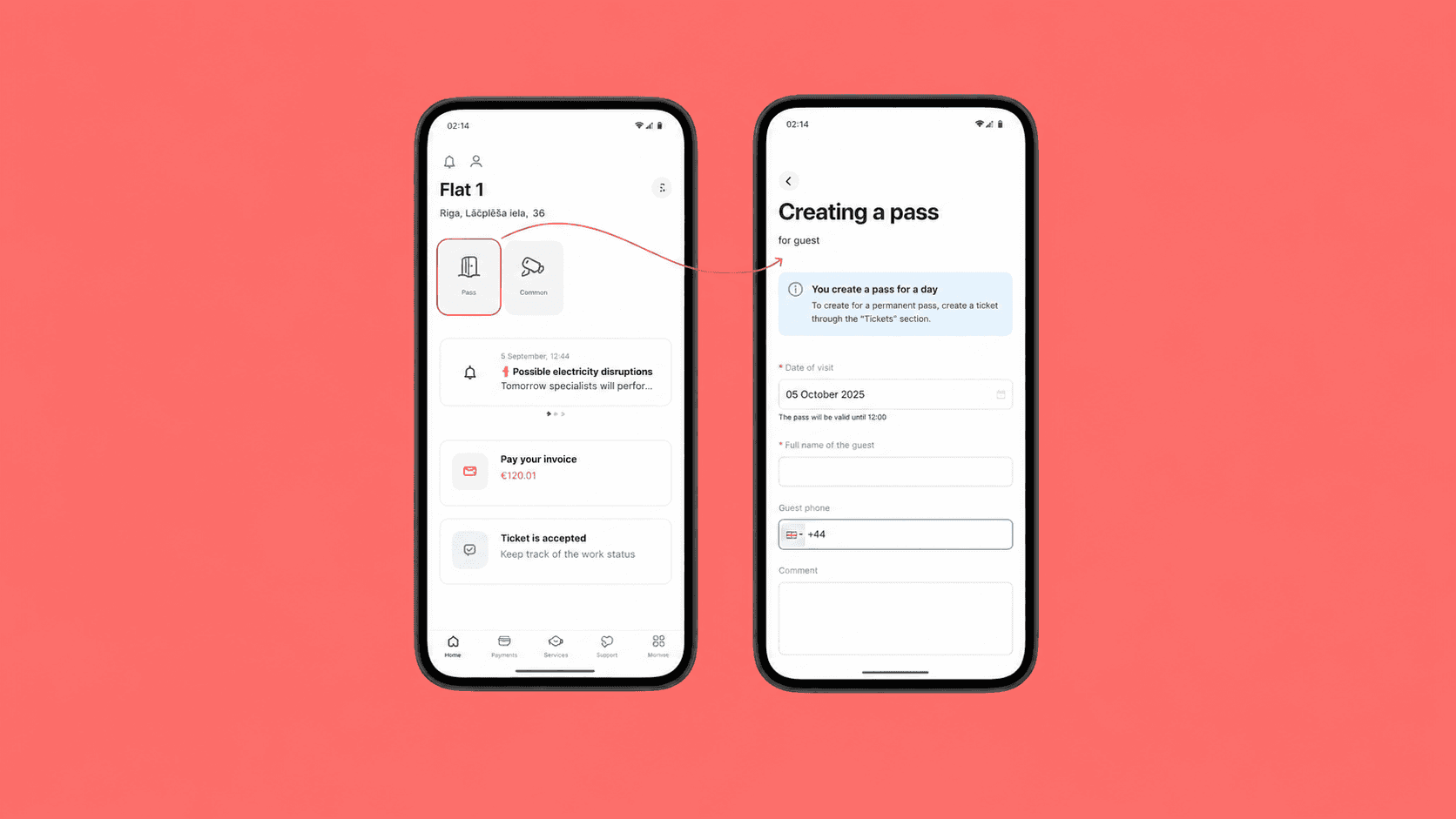
jede Anfrage hat einen klaren Status
Bewohner wissen, wo ihr Problem steht
Teams teilen denselben Kontext und die gleiche Historie
Übergaben erfolgen ohne Informationsverlust
Vorhersehbarkeit schafft Vertrauen. Selbst wenn ein Problem Zeit braucht, um gelöst zu werden, verringert Klarheit die Anspannung.
Vereinheitlichte Daten verhindern Fehler, bevor sie auftreten
Viele Serviceausfälle sind nicht auf mangelnden Einsatz zurückzuführen, sondern auf fehlende gemeinsame Informationen.
Wenn Daten über Tabellenkalkulationen, Chats, E-Mails und voneinander getrennte Systeme verstreut sind:
Teams arbeiten mit veralteten oder unvollständigen Informationen
Fehler wiederholen sich
Bewohner erhalten widersprüchliche Nachrichten
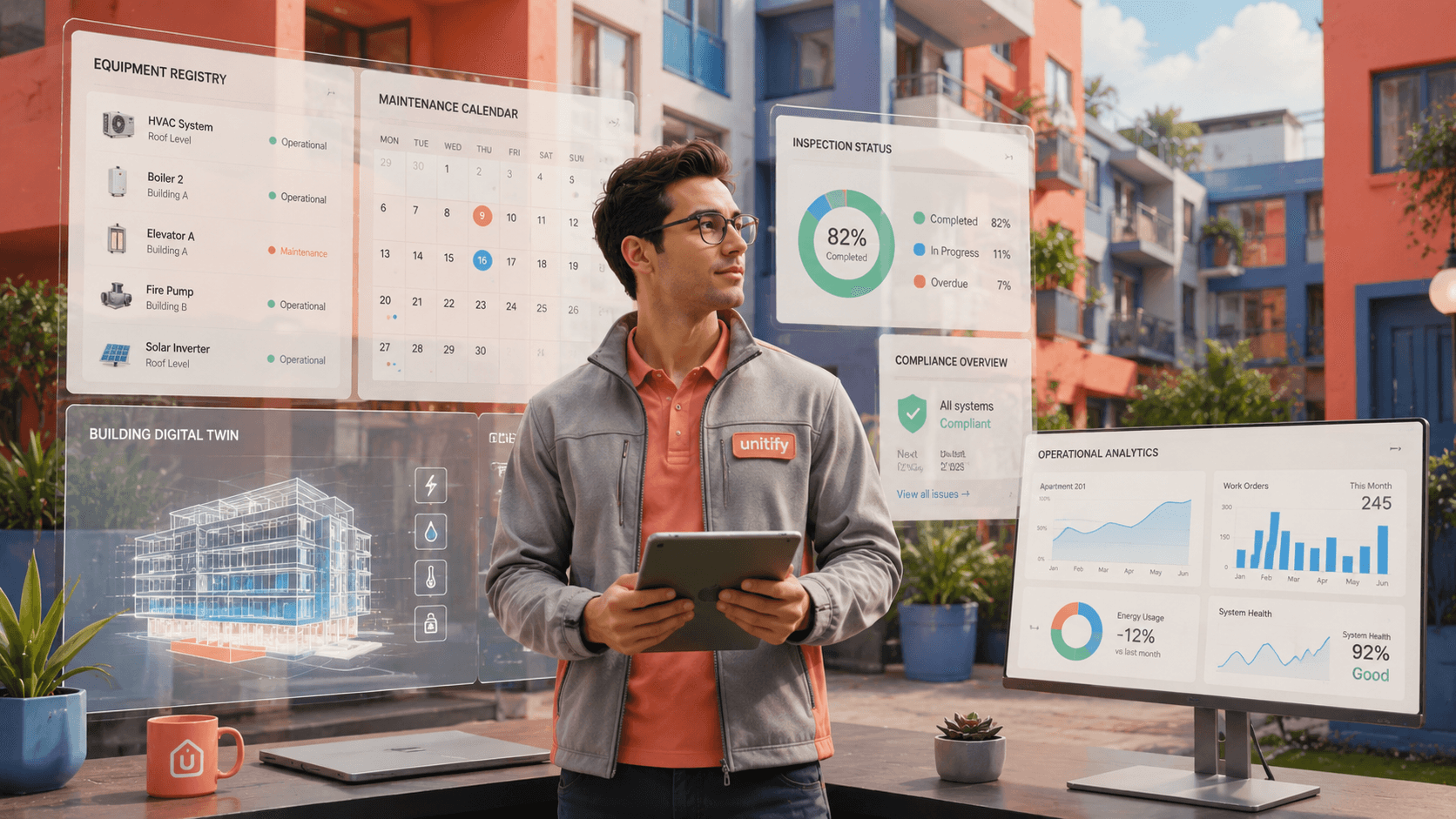
Ein einheitliches System schafft eine einzige Quelle der Wahrheit.
Jeder sieht dieselben Daten, die gleiche Anfragenhistorie, den gleichen Kontext der Bewohner.
In der Folge:
Entscheidungen werden schneller
Fehler nehmen ab
Kommunikation wird konsistent
Und Bewohner erleben es als Professionalität — selbst wenn sie das System dahinter nie sehen.
Interne Ordnung prägt die externe Wahrnehmung
Bewohner beurteilen Verwaltungsunternehmen nicht anhand interner KPIs. Sie bewerten sie danach, wie es sich anfühlt, mit dem Gebäude zu interagieren.
Interne Effizienz übersetzt sich direkt in:
schnellere Antworten
weniger Fehler
ruhigere Kommunikation
höhere Zuversicht in stressigen Momenten
Mit anderen Worten, interne Ordnung wird als externe Qualität sichtbar.
Effizienz als Grundlage, nicht als Funktion
Interne Effizienz ist etwas, um das Bewohner nicht explizit bitten. Aber ohne sie kann kein Maß an freundlicher Kommunikation oder modernen Schnittstellen defekte Prozesse ausgleichen. Wenn Arbeitsabläufe strukturiert sind, Daten vereinheitlicht sind und Routineaufgaben automatisiert werden, wird der Service reaktiv. Er wird zuverlässig. Und Zuverlässigkeit ist es, was alltägliche Interaktionen in langfristiges Vertrauen verwandelt — das Schlüsselkapital von Wohnverwaltungsunternehmen.